Blogs

It is with a waterfall of tears that today I tell you that my time writing "Breaking Bipolar" has come to an end. HealthyPlace is moving in a new direction, and so, after 14 years, my work here is done. And while I find this devastating personally, today, I would like to focus on 14 years of victories for me and for this blog.
After almost four years, this will be my last blog entry for the "Verbal Abuse in Relationships" blog here at HealthyPlace. I want to thank everyone who took the time to read my posts, add their comments, and share the information I wrote each week.

Recently, I sought a second opinion on my psychiatric medication change. I was suffering because of the lowered dosage of the medication, and I still am. It’s not the first time I’ve done this. Here’s why I’ve had to seek a second opinion on my psychiatric medication.

You are about to read the final post I will ever write for this blog, and I want to express a heartfelt "thank you" for seven years of "Surviving ED." You came on this journey with me, and I hope we all grew in the process. When I first joined HealthyPlace in 2017, I was a much different person than who I have since become while sharing my milestones and setbacks in eating disorder recovery. To each one of you who consumed these words I wrote, I am so grateful for your presence here.

As I reflect on the journey to build self-esteem that we have taken together over the past year, I am filled with gratitude and a deep sense of purpose. Writing these essays has not only allowed me to share insights and strategies to help you build self-esteem but has also given me the opportunity to connect with you, my audience. The stories, struggles, and triumphs of those with lived experience have inspired me more than words can express, and I hope that, in some small way, my words have been a source of encouragement and strength for you.
They say all good things must come to an end, and my time here at HealthyPlace is up. After writing for "Work and Bipolar or Depression," "Coping with Depression," and now "Mental Health for the Digital Generation," I am finally saying goodbye to team HealthyPlace and my readers.

Being part of my gambling recovery journey has been a wild ride, hasn't it? We've shared everything from the thrill of the win to the gut-wrenching lows. We've laughed, cried, and learned together. My work at "Recovering from Mental Illness" has been akin to a virtual support group, a digital cheerleader, and a confidant of sorts.
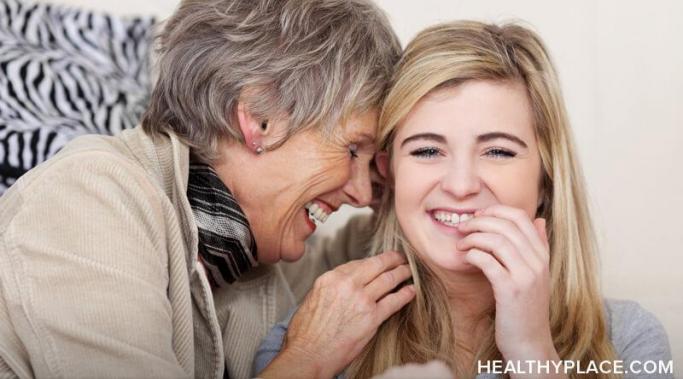
The last thing I thought would be part of my healing process in addiction recovery was humor. I was in a dark place, consumed by guilt, shame, and a constant sense of failure. The idea of laughing seemed absurd, almost inappropriate, given the weight of my situation. But as I dug deeper, I discovered that humor in addiction recovery wasn't just a distraction—it was a crucial tool in my path to healing.

I have an issue with anxiety and clutter. I'm sitting in my clean bedroom and breathing in how wonderful it feels to have everything put away and organized. I am asking myself, why did we let it get so bad? Why did it take me so long to get things cleaned up? The answer: my anxiety, combined with my husband's attention-deficit hyperactivity disorder (ADHD), got in the way. When not under control, anxiety and clutter can form a cycle in our home.
Unfortunately, many people who have been in a verbally abusive relationship will continue to have verbal abuse triggers later in their lives. Sometimes, these situations create stress and bring back the same feelings of vulnerability for the individual who experienced the verbal abuse. Even if the present relationship is not abusive, it can be hard to adapt and move on from verbal abuse when triggers happen.