Waste comes on all forms. Plastics, papers, bodily wastes, and overused helpful characteristics like empathy for others. Yeah, I know, we don’t usually consider a good quality in ourselves as a waste – but in some cases, empathy is a waste of energy, the positive growth energy that allows us to move ahead in life. When you’re in a relationship with an abusive person, your loving empathy is a definitely a waste of your energy. Like poo and pee that you can’t wait to flush down the toilet, using empathy to love, understand, and forgive an abuser is energy you merely flush away, wasted. At least your bodily waste serves a positive purpose because it relieves your body of poisons; wasted energy does the opposite because the unbalance caused allows poisons to accumulate in your body, mind and spirit. Keep reading »

Big ol’ belly laughs that catch you by surprise feel so good! They feel better now that feeling happy doesn’t make me sad. That idea is confusing; laughing until you cry doesn’t usually mean you cry sad tears, but it happened to me a lot during my abusive marriage. Usually, the laughing started during a phone call with my sister. Anything could get us going, and for a few beautiful minutes, nothing mattered except the funny bit between us. I laughed until my sides ached and the tears flowed like water.

But then, when the laughter dried up and I started wiping the tears from my eyes, the tears wouldn’t stop. My face, sore from smiling, suddenly dropped into a frown. I covered my face because I felt embarrassed to feel so…damn…sad. Those last tears fell because when the laughter was done, I returned to my sad, closed-off life of mind-numbing pain. Sometimes I would stay on the phone with her when she asked what was wrong. Usually I cut the conversation short when I felt the change to pain begin. Keep reading »

It seems that the courts would have more sense when it comes to co-parenting with any abuser, but especially a proven-in-a-court-of-law abuser found guilty of domestic violence, child abuse, or any sexual crimes. There is a disconnect between criminal court and family court that endangers our children with the mistaken belief that two parents, of any sort, is preferable to protecting our children from dangerous people.

And yet, many of us find ourselves co-parenting with our abusers. Keep reading »

How Abuse Effects Its Victims

One of the hardest things to look at during or after an abusive relationship is the mental and emotional damage the abuse caused in us. We remember who we were before the abuse and may feel like a sad shell of that person after it. It is scary and heart-breaking. You may feel more defenseless, helpless and hopeless than before you knew your partner abused you. After all, now you fight your mind as well as the abuse your (ex) partner inflicts.

You will never change your partner. You are already their target for abuse, and once you are the target it is difficult if not impossible to change back into “you” in their eyes. However, you can change yourself. You can change your thoughts, your feelings, and the way your brain is wired. But remember, although “change” is something that can happen to you, if you want to heal from abuse, change must be something you DO. Keep reading »

Survivors’ quotes on abuse and leaving their abusers show us their courage and insight, but mostly they give a glimpse of the future to survivors who have not left their partners. Fear of leaving is the biggest glitch in many survivor’s plans. Fear, both real and false fears implanted by the abuser, creates a mighty barrier to leaving the abusive relationship. A Facebook friend described it as facing an “insurmountable mountain”, but I don’t think there are any of those kinds of mountains anymore. You can do anything if you take one step at a time.

I hope you catch a realistic version of your future without your abuser in these quotes. It isn’t easy, but that new start is worth the pain of leaving. Keep reading »

I felt like I couldn’t trust anyone after leaving my abusive husband. I wondered to myself, “Will he abuse me?” whenever I met someone who stirred up my sexual feelings. I shied away from him (or made it impossible to create a true bond) because after living with a monster, the thought of being fooled again made me sick to my stomach. It took about five months of freedom to even consider opening myself to a relationship. When I finally did open up, the butterflies in my stomach opened and closed their wings – like steel traps. I was aflutter about Eddy, but when those butterflies snapped their wings shut hard and fast, I withdrew from him. More than once.

The last time I quit Eddy, I called him and tearfully told him that I couldn’t guarantee I wouldn’t hurt him and I didn’t know if he would hurt me. I felt scared and alone. I felt like I would always be scared and alone. Keep reading »

I struggle with using the words “narcissist” and “sociopath” and the like in my descriptions of abusers. The words get a lot of online attention and would draw in abuse victims trying to solve the mystery of their lover’s nasty behaviors. However, “abusers” do not fall into any specific category in the DSM-IV (the guide psychiatrists use to diagnose mental illnesses). By and large, abusive people are not mentally ill – even though to us normal folks, it sure appears that they are insane.

Due to some of the comments this post received, I want to clarify that I am talking about cases of domestic violence and abuse – two adults who chose to be together initially until one found out the other was abusing them. There is some peace in “diagnosing” your abuser as a sociopath, narcissist, or whatever as a layperson because your research will also show you these people DO NOT CHANGE and IT ISN’T YOUR FAULT they behave the way they do. This helps you to detach from them.

However, if you are a victim of abuse in a domestically violent relationship, then it does no good to wait around out of “loyalty” or “marriage vows” or any other reason if your abuser happens to actually go to a therapist and receive such a diagnosis. You will become disordered if you live with someone with a mental disorder that science has no way to treat or cure.
Keep reading »

It’s been a month since my last post; I’m trying hard not to feel guilty about that. I am consoled that there are at minimum a hundred other posts I’ve written about abuse that you could revisit, but worried that I may lose your faith if I don’t tell you why I took a hiatus.

I don’t think people are built to think about negativity for long periods of time. During my 17-year marriage, I thought about abuse every day even though I didn’t recognize it as being abuse. The negativity pressed upon my mind and heart and I developed Major Depressive Disorder and Post Traumatic Stress Disorder along with bouts of anxiety. Because of my experiences, I came to believe that Who or whatever designed our minds intended for us to think inspirational thoughts so we can create greatness within ourselves and our world. Keep reading »

Recently on facebook, we conversed about making friends after leaving abusive relationships. Abuse survivors make it out of their abusive relationships often to find they have no friends.

  • The abuser may have isolated the survivor from other people entirely, or
  • The abuser’s friends are the survivor’s only friends (and cannot be trusted to keep personal information from the abuser), or
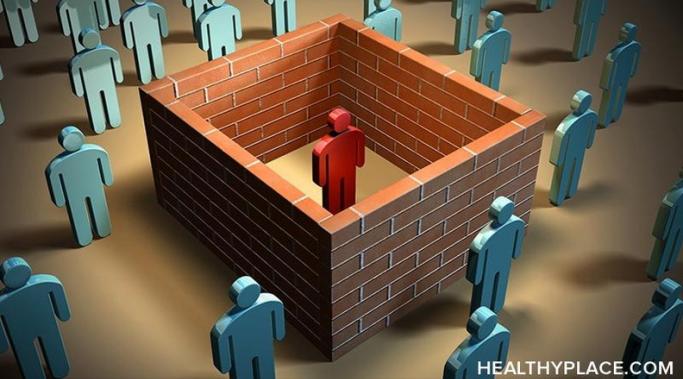
  • The connections the survivor made during the abusive relationship translate into inappropriate friends after the abuse is over. Keep reading »

Part 1: The Abusive Relationship and Its Fairy-tale Beginning
Part 2: The Hidden Tale of Abuse

Part 3 of Our Fairy-tale:

Previously, we left our princess and her friends confused and our knight deeply satisfied with himself. This is exactly as our knight wants it to be! He overpowered the princess and made her his newest trophy. From the outside looking in, it appears that the brave knight lives a dream: beautiful wife, beautiful home, loyal servants as friends, and the ability to take on new adventures (and lovers) without so much as a sideways glance from his wife. Our knight won his battle. He retains his glorious reputation, and that is all that matters to him. Keep reading »