For Teens: Abusive Relationships and What To Do About Them
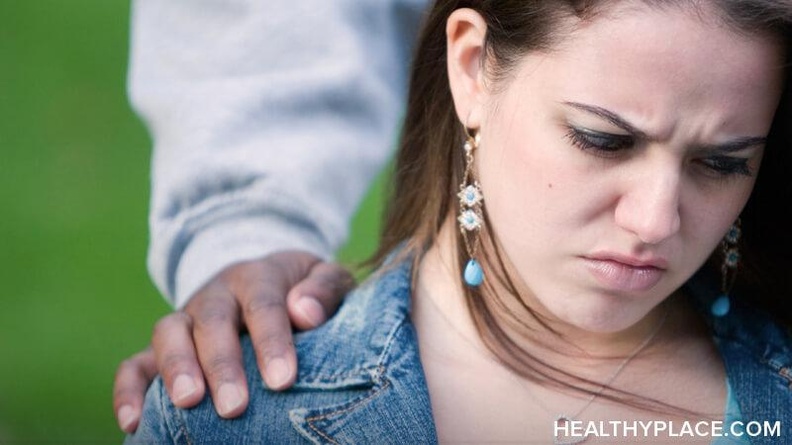
Find out what constitutes an abusive relationship, the signs of an unhealthy relationship, how to get out of a bad relationship and how to help a friend in an abusive relationship.
During your teen years, you will have relationships with a lot of people. These relationships will probably include friendships and dating relationships. Most of the time, these relationships are fun, exciting, and healthy, and they make us feel good about ourselves. Sometimes, however, these relationships can be unhealthy and can be harmful to you or other people involved. Unhealthy relationships can be risky because someone can get hurt physically or emotionally. This information guide was created to help you to understand the signs of an unhealthy or abusive relationship and to learn ways to change a bad situation.
What is a healthy relationship?
In healthy relationships, you and your friend or the person you are dating feel good about each other and yourselves. You do activities together, like going to movies or out with other friends, and you talk to one another about how you are feeling about each other. These relationships can last a few weeks, a few months, or even many years. Healthy relationships are fun for both people!
In healthy relationships, there is respect and honesty between both people. This means that you listen to each other's thoughts and opinions and accept each other's right to say no or to change your mind without giving each other a hard time. Communication is also important in healthy relationships. You should be able to let the other person know how you are feeling. You might disagree or argue sometimes, but in healthy relationships, you should be able to talk things out together to reach a compromise that works for both of you.
My friend gets mad if I hang out with other people, what should I do?
Be honest and stick to your decision. Tell your friend you like spending time with him or her but that you also want to spend time with other friends and family. Whether you are in a close friendship or a dating relationship, it is important for both of you to stay involved with the activities and interests you enjoyed before you became close. In a healthy relationship, you both need time to hang out with other friends as well as time for yourselves.
What are risky or unhealthy relationships?
In a risky or unhealthy relationship, you usually feel the exact opposite of how you feel when you're in a "healthy relationship." You and your friend do not usually feel good about each other and yourselves. Not all unhealthy relationships are abusive but sometimes they can include violence or abuse—verbal, physical, emotional, or sexual. This can involve both people being violent or abusive toward each other or can involve only one person doing this to the other. Many times, a relationship is not unhealthy in the very beginning, but over time abusive behavior might show. You may feel afraid or pressured to do something that you don't want to do. If you have a feeling that your relationship is unhealthy, you are probably right!
What are the signs that I am in an abusive or unhealthy relationship?
There are many signs that you could be in an abusive or unhealthy relationship. Take a look at this list of "warning signs" and see if these statements describe your relationship:
Your friend or the person you are going out with:
- is jealous or possessive of you—he or she gets angry when you talk or hang out with other friends or people of the opposite sex
- bosses you around, makes all the decisions, tells you what to do
- tells you what to wear, who to talk to, where you can go
- is violent to other people, gets in fights a lot, loses his/her temper a lot
- pressures you to have sex or to do something sexual that you don't want to do
- uses drugs and alcohol and tries to pressure you into doing the same thing
- swears at you or uses mean language
- blames you for his or her problems, tells you that it is your fault that he or she hurt you
- insults you or tries to embarrass you in front of other people
- has physically hurt you
- makes you feel scared of their reactions to things
- calls to check up on you all the time and wants to always know where you are going and who you are with
These are just a few of the signs that you may be in an unhealthy or abusive relationship. Sometimes there are only one or two "warning signs" and sometimes there are many. If any of these statements are true for your relationship, you should speak to a trusted adult such as a parent, teacher, doctor, nurse, or counselor right away!
What is abuse?
An abusive relationship may include any of the signs listed above. Some teens and adults think that their relationship isn't abusive unless there is physical fighting. But did you know that there are other types of abuse? Below is a list of different types of abuse which can affect your friendships or dating relationships:
- Physical Abuse - is when a person touches your body in an unwanted or violent way. This may include hitting, slapping, punching, kicking, pulling hair, pushing, biting, choking, or using a weapon on you. The weapon could be a gun or knife but also includes anything that can hurt you like a shoe or a stick.
- Verbal/Emotional Abuse - is when a person says something or does something that makes you afraid or feel bad about yourself. This may include: yelling, name-calling, saying mean things about your family and friends, embarrassing you on purpose, telling you what you can and can't do, or threatening to hurt you or hurt themselves. Blaming you for their problems, or verbally pressuring you to use drugs or alcohol, or keeping you from spending time with your friends and family are all abuse.
- Sexual Abuse - is any sexual contact that you do not want. You may have said no or may be unable to say no because the abuser has threatened you or prevented you from saying no. This may include forcing you to have sex or unwanted touching or kissing.
Why are some people violent?
There are many reasons why a person could be violent or abusive to their friend or person they are dating. For example, a person who has grown up in a violent family may have learned that violence like hitting or verbal control was the way to solve a problem (which it is not!). They may be violent because they want to control the relationship or because they feel bad about themselves and think they will feel better if they make someone else feel worse. Others may get pressured by their friends to prove how strong they are. Sometimes people have trouble controlling their anger.
Drugs and alcohol can also play a part in abusive behavior. There are some people who lose control and act abusively after they have been drinking or taking drugs. But this is no excuse! Just because someone is under the influence of drugs and alcohol or has a bad temper does not mean that their abusive behavior is okay.
- No matter why a person is violent physically, verbally/emotionally, or sexually, it is important for you to know that it is not your fault! You are NOT the reason for the violence. Violence is NEVER okay!
Why do some people stay in unhealthy or violent relationships?
If abusive or unhealthy relationships are so bad, then why do some people stay in them? Why don't they just stop spending time with their friend or break up with the person and stop seeing them? Sometimes it may be hard to get out of an abusive relationship. This is because violent relationships often go in cycles. After a person is violent, he or she may apologize and promise never to hurt you again, and even say that they will work on the relationship. It may be a while before that person acts violently again. These ups and downs can make it hard to leave a relationship.
It's hard to leave someone you care about. You may be scared or ashamed to admit that you are in an abusive relationship, or you may be simply scared to be alone without that person. You may be afraid that no one will believe you, or that your friend or partner will hurt you more if you tell someone. Whatever the reasons, leaving an unhealthy relationship is hard but something you must do. You will need help to do it.
Why should I leave?
Abusive relationships are very unhealthy for you. You can have trouble sleeping or have headaches or stomach aches. You might feel depressed, sad, anxious or nervous, and you may even lose or gain weight. You may also blame yourself, feel guilty, and have trouble trusting other people in your life. Staying in an abusive relationship can hurt your self-confidence and make it hard for you to believe in yourself. If you are being physically abused, you can be the victim of injuries that could cause permanent damage. You should definitely leave the relationship if you are getting hurt, if you have bruises or pain, or if you are being threatened with physical harm in any way.
Remember that the most important reason to leave an unhealthy relationship is that you deserve to be in a relationship that is healthy and fun.
How do I get out of an unhealthy or abusive relationship?
First, if you think that you are in an unhealthy relationship, you should talk to a parent, friend, counselor, doctor, teacher, coach or other trusted person about your relationship. Tell them why you think the relationship is unhealthy and exactly what the other person has done (hit, pressured you to have sex, tried to control you). You may want to look back at the list of "warning signs" to help you to explain the situation to an adult. If necessary, this trusted adult can help you contact your parents, counselors, school security, or even the police about the violence. With help, you can get out of an unhealthy relationship.
Sometimes, leaving an abusive relationship can be dangerous so it is very important for you to make a Safety Plan. Leaving the relationship will be a lot easier and safer if you have a plan. Here are some tips on making Your Safety Plan:
- Tell a trusted adult like a parent, counselor, doctor, teacher or spiritual leader.
- Tell the person who is abusing you that you do not want to see him or her or break up with this person over the phone so they cannot touch you. Do this when your parents or guardians are at home so you know you will be safe in your house.
- Go to your doctor or hospital for treatment if you have been injured.
- Keep track of any violence. A diary is a good way to keep track of the date the violence happened, where you were, exactly what the person you are dating did, and exactly what effects it caused (bruises, for example). This will be important if you need the police to issue a restraining order against the person.
- Avoid contact with the person.
- Spend time with your other friends and walk with them and not by yourself.
- Think of safe places to go in case of an emergency like a police station or even a public place like a restaurant or mall.
- Carry a cell phone, phone card, or money for a call in case you need to call for help. Use code words. You should decide on the code words ahead of time with your family so that they will know that your signal means that you can't talk easily and you need help.
- Call 911 right away if you are ever afraid that the person is following you or is going to hurt you.
- Keep domestic violence hotline numbers in your wallet or another secure place, or program them into your cell phone.
What do I do if a friend tells me that she is in an abusive relationship?
If your friend tells you that she is in an abusive relationship, listen very carefully to what she says. It is important that you listen without judging or blaming your friend. Tell your friend that you believe what she is saying and that you know that it is not her fault. Tell her that you are always there for her when she wants to talk about it. Remind her of all her friends and family who care about her and want her to be safe. Let her know that you are worried about her safety and that you want to help her to tell a parent or other trusted adult right away. Offer to go with her. Give her information on how to make a safety plan and give her phone numbers of counselors and domestic violence hotlines. You may even want to suggest that your friend take a self-defense class. Be sure not to take this on alone. Talk with a trusted adult such as a school counselor about how to help your friend.
Should I have my friend talk to her parents or another adult?
Yes! The most important thing that you can do for your friend is to encourage her to talk to an adult right away. This adult could be a parent, coach, teacher, school counselor, doctor, nurse, or spiritual leader. Tell your friend that you will go with her to see an adult about her abusive relationship. If your friend is nervous about going to talk to adult, here are some things you could remind her of:
- An adult will listen to her problem and give her advice on how to handle the situation.
- An adult can help to protect her if she feels that she is in danger.
- An adult can help her contact the right people, such as the police, her principal, or a counselor.
What if my friend won't listen to me and wants to keep the abuse a secret?
After you encourage your friend to talk to someone like a trusted adult about the abuse, you can tell an adult also. It is too much for you to handle alone. Even though you want to keep your friend's secret, it is important for you to tell a trusted adult especially if you are afraid that your friend could get hurt or if you are worried that she won't tell anyone. Your friend will need help even if she says that she can handle it alone.
Do not tell your friend to choose between the person that she is dating and you. This could make your friend feel that she can't talk to you if she decides to stay in the relationship. Don't spread your friend's secrets to others. Let her be the one to tell other friends that she trusts.
What else do I need to know?
Abuse is a problem that some people experience in their relationships. At least 1 in 10 teens experience physical violence in their relationships. Even if you have not experienced physical, sexual, or verbal and emotional abuse, one of your friends may be in an unhealthy relationship with another friend or dating partner. If you are in an unhealthy relationship or if your friend is, it is important that you get help right away before someone gets hurt! Relationships are an important part of life and are supposed to be fun and special!
Who can I call for help?
There are hotlines that you can call 24 hours a day to get help and advice on how to leave an unhealthy relationship. There may be some local resources in your community including batter women's shelters or through your church, school, or doctor's office that you can call. Here are some toll-free hotlines you can call:
- National Teen Dating Abuse Helpline: 1-866-331-9474
- The Youth Crisis Hotline: 1-800-HIT-HOME (448-4663)
- The National Sexual Assault Hotline: 1-800-656-HOPE (4673)
- The National Domestic Violence Hotline: 1-800-799-SAFE (7233)
APA Reference
Staff, H.
(2021, December 18). For Teens: Abusive Relationships and What To Do About Them, HealthyPlace. Retrieved
on 2026, August 16 from https://www.healthyplace.com/relationships/teen-relationships/for-teens-abusive-relationships-and-what-to-do-about-them