Mental Illness in Children: Types, Symptoms, Treatments
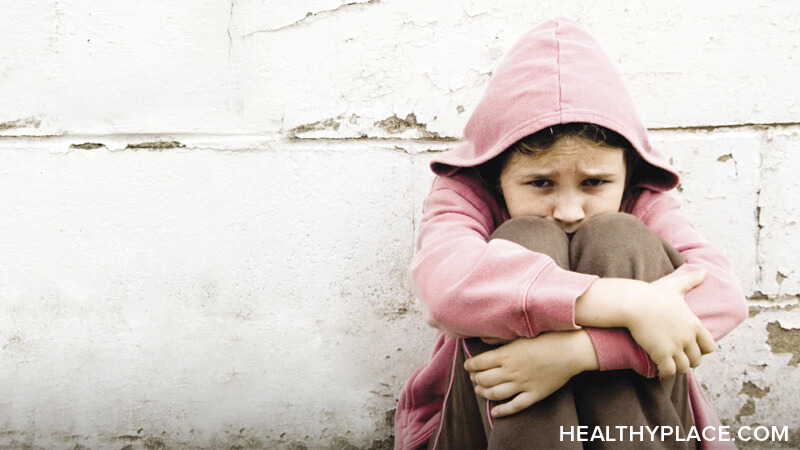
Mental illness in children can be challenging to spot. A second-grader is boisterous and uncooperative. A sixth-grader has frequent stomachaches and headaches and doesn't want to go to school. A high school junior does well in class but fails tests. Are these signs of mental illness in children? Kids are kids, right? What's the difference between problems and mental illness in children? And are there treatments?
Types of Mental Illness in Children
The American Psychiatric Association (2013) published the fifth edition of its Diagnostic and Statistical Manual of Mental Disorders (DSM-5). This book contains an official list of mental illnesses complete with information and symptoms. An entire category, dubbed neurodevelopmental disorders, is devoted to mental disorders that begin during childhood and that, like all mental illnesses, cause disruption in personal, social, and academic/occupational functioning.
The DSM-5 categorizes neurodevelopmental disorders as
- intellectual disabilities
- communication disorders
- autism spectrum disorder
- attention-deficit/hyperactivity disorder (ADHD)
- specific learning disorders
- motor disorders
In a different category, the DSM-5 also delineates disruptive, impulse-control, and conduct disorders:
- oppositional defiant disorder
- intermittent explosive disorder
- conduct disorder
- pyromania (fire starting)
- kleptomania (repeated theft)
Further, while not categorized by the DSM-5 as specifically childhood mental disorders, children under the age of 18 can experience "adult" disorders such as mood and anxiety disorders.
While adhering to the descriptions and symptoms of mental illness in children, practitioners and researchers sometimes conceptualize problems a bit differently, often in a way that has more practical applications for parents and teachers wanting to identify mental disorders in children. For example, Faraone (2003) identifies five main types of psychological problems in children:
- disruptive behavior
- moodiness
- fear
- learning disabilities
- abnormal development
Symptoms of Mental Illness in Children
Faraone's categories succinctly capture the essence of problems in children with mental illness. Each of the five areas has distinctive signs and symptoms.
- Disruptiveness involves disobedience of parents, teachers, and general authority figures, cheating, lying, stealing, impulsiveness, and risk of substance use.
- Moodiness includes the symptoms of mood disorders such as depressive disorders and bipolar disorder, irritability, frequent whining, and complaining.
- Fearfulness includes symptoms of anxiety disorders and in children often involves nervousness, fear, crying, tantrums, and withdrawal.
- Learning disabilities are broad and incorporate academic deficiencies.
- Abnormal development is indicated when a child lags far behind others in his/her age group in skills, physical abilities, emotional regulation, and/or social functioning.
All symptoms fall on a continuum of mild to severe. Recognizing the signs and symptoms of mental illness in children and adolescents helps parents and professionals treat children with mental illness.
Treatments of Mental Disorders in Children
A wide variety of methods exists to treat mental illness in children (Guide to Treatment for Children With Mental Health Needs). Because disorders and individuals are unique, treatments must be unique, too. One treatment might work very well for one child but not at all for another. Finding and implementing treatments can be a somewhat lengthy process of trial-and-error, and during that time, the symptoms of mental disorders remain. Thinking of the treatment process as a labor of love can help inspire patience and perseverance through the process, a process that does involve progress.
Perhaps the most important starting point for any treatment of mental disorders in children is the therapeutic relationship. It's imperative that a strong rapport develops between the doctor or counselor and the child. If your child doesn't click with his first doctor/counselor after time is allowed for the rapport to develop, it's okay to seek a different one. It's a matter of personality.
The following is an abbreviated list of some common treatments for various conditions:
- psychiatric medication when appropriate
- play therapy
- cognitive-behavioral therapy, or CBT (a process involving helping children shape thoughts)
- development of a routine and creating a structure
- behavior modification programs, often reward-based
- bibliotherapy (reading children's books about relevant topics)
- teaching identification of emotions and reactive behavior
- self-monitoring checklists
- learning, setting, and adhering to limits
- teaching and practicing social skills
- developing and using subtle signals and cues
- family therapy
- and much more
Mental illness in children can be frustrating and frightening. It's not unusual for parents, caregivers, and teachers to feel hopeless, understandably so. Knowing the types and signs of mental disorders in children and adolescents can lead to proper treatment and improved quality of life for everyone, adults and kids.
APA Reference
Peterson, T.
(2019, October 23). Mental Illness in Children: Types, Symptoms, Treatments, HealthyPlace. Retrieved
on 2026, July 15 from https://www.healthyplace.com/other-info/mental-illness-overview/mental-illness-in-children-types-symptoms-treatments