Electroconvulsive Therapy Background Paper
Prepared for the U.S. Department of Health and Human Services Substance Abuse and Mental Health Services Administration Center for Mental Health Services
March 1998
Prepared pursuant to CMHS Contract No. 0353-95-0004
RESEARCH-ABLE, INC., 501 Niblick Drive, S.E., Vienna Virginia 22180
TABLE OF CONTENTS
PURPOSE
INTRODUCTION
I. HISTORY
II. ECT AS A METHOD OF TREATMENT
Administration of ECT
Risks
Theories Regarding Mechanism of Action
Conditions for Which ECT Is Used
Importance of Patient Consent to Treatment
III. CONSUMER AND PUBLIC ATTITUDES REGARDING ECT
Introduction
Basis of the Opposition to ECT
Questions Regarding Persons Giving Voluntary Informed Consent
Opponents of ECT
Proponents of ECT and Informed Consent
IV. LEGAL PERSPECTIVES AND STATE REGULATION
V. RESEARCH PRIORITIES IDENTIFIED BY 1985 NIMH CONSENSUS DEVELOPMENT CONFERENCE ON ECT
SUMMARY
APPENDIX A - Interviews with Representatives of Organizations
The Center for Mental Health Services (CMHS) periodically issues reports on topics of concern to the mental health field and to the American public. Part of the CMHS's responsibility is to develop and disseminate information on the delivery of services to persons with mental illness and their families.
This report on electroconvulsive therapy (ECT) summarizes the following information:
- the current state of knowledge regarding this treatment;
- consumer and public views;
- relevant laws and regulations; and
- priority research tasks.
ECT, a treatment for serious mental illness, involves the production of a generalized seizure through application of a brief electrical stimulus to the brain. Since ECT was first used in Italy more than 50 years ago, the procedures associated with ECT have been improved. Better methods have been developed in regard to anesthesia, the delivery of electrical current, and patient preparation and consent.
Broad agreement exists within the medical-psychiatric community about the effectiveness and safety of ECT for the treatment of people with certain mental illnesses. However, some of those to whom ECT has been administered, are greatly concerned about its possible misuse and abuse. They are also concerned about what they perceive to be a failure to protect the rights of patients. Their concern may be heightened both because treatment side effects (e.g., post-treatment confusion and memory loss) are not uncommon, and because scientists have yet to clarify precisely how ECT works to relieve symptoms. ECT is used primarily for people with severe depression. (1) The treatment is usually provided in the psychiatric units of general hospitals and in private psychiatric hospitals. According to a 1995 report, (2) per capita utilization rates of ECT vary widely across the United States, and an estimated 100,000 patients received ECT during 1988-1989.
In 1938, Ugo Cerletti, an Italian neuropsychiatrist, applied electric shock to the brain of a person with a serious psychiatric illness. According to reports, the man's condition improved dramatically, and within 10 years, this treatment was employed widely in the United States.(3) In the 1940's and 1950's, ECT was used mainly for persons with severe mental illness residing in large mental institutions (mainly State hospitals). The 1985 Report of the National Institute of Mental Health (NIMH) Consensus Development Conference on ECT (4) described these early efforts:
"ECT was used for a variety of disorders, frequently in high doses and for long periods. Many of these efforts proved ineffective, and some even harmful. Moreover, the use of ECT as a means of managing unruly patients, for whom other treatments were not then available, contributed to a perception of ECT as an instrument of behavioral control for patients in institutions for chronically mentally ill individuals."
In 1975, the blockbuster movie, One Flew Over the Cuckoo's Nest, based on the 1962 novel by Ken Kesey, dramatically reinforced fears regarding ECT, at least for the movie-going public. More recently, at legislative hearings in Texas, (5) opponents of ECT buttressed their concerns about its safety and effectiveness with testimony about the results of Internet surveys. (6)
In the early years, many fractures and even a number of deaths were associated with the use of ECT. (7) Over the years, however, ECT has changed. The technology associated with ECT has been improved, virtually eliminating previous risks. (8) Safer methods of administration have been developed, including the use of medications, muscle relaxants, and an adequate supply of oxygen throughout treatment.
It is believed that the largest category of people receiving ECT are elderly, depressed women who are inpatients in general or private psychiatric hospitals. (9) Most States do not require physicians to report ECT use; therefore, annual estimates of the number of patients receiving this treatment are speculative. What scientific data do exist suggest a great deal of regional variation in its use -- more so than for most other medical and surgical procedures. (10)
The absolute number of individuals receiving ECT appears to have decreased. Public complaints, coupled with litigation, have caused many public institutions to become increasingly uneasy about its use, and State regulation has served to reduce its administration in public hospitals. Moreover, the revolution in psychopharmacology since the 1960's, has played a role in lowering the number of patients receiving ECT. Today, the procedure is most often administered only after other treatment alternatives have been tried and found to be unsuccessful.
While patient concern about ECT has a long history, the growing prominence of the consumer rights movement has, in recent years, brought the issue to increasing public attention. The concept of informed consent for treatment is becoming more widely understood and accepted by patients and their families. Opponents who argue for a total legislative ban, assert that ECT causes long-term memory loss and is frequently administered without having been explained adequately. Such arguments have led many States to require patients to give consent before ECT can be administered (See Section IV below).
II. ECT AS A METHOD OF TREATMENT
Administration of ECT
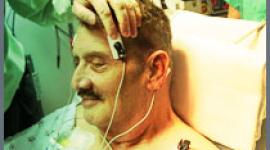
ECT involves the use of controlled electrical currents of one to two seconds in duration that induce a 30-second seizure. Generally, the procedure involves attaching two electrodes to the scalp, one on each side of the head, although physicians sometime place the electrodes on only one side of the head. Often, two or three treatments are given weekly for several weeks. In its early years, ECT was administered to patients without prior medication. Today, however, anesthesia, muscle relaxants, and electroencephalographic (EEG) monitoring during and following treatment, enable the physician to closely check patient reactions. Thus, involuntary movement from ECT-induced seizure normally consists of a slight movement of the fingers and toes. (11)
Risks
Some patients who have received ECT report long-term side effects from the treatment. Memory deficits have been reported even three years post-treatment, although most seem to occur around the period immediately prior to and following the procedure. While not minimizing the significance of adverse side effects, most members of the medical community maintain that the duration of such side effects is relatively brief:
"It is.. .well established that ECT produces memory deficits. Deficits in memory function, which have been demonstrated objectively and repeatedly, persist after the termination of a normal course of ECT. Severity of the deficit is related to the number of treatments, type of electrode placement, and nature of the electric stimulus... The ability to learn and retain new information is adversely affected for a time following the administration of ECT; several weeks after its termination, however, this ability typically returns to normal." (12)
Theories Regarding Mechanism of Action
While many theories have sought to explain the therapeutic effects of ECT, a determination of the precise mechanism of action awaits further research. (13) The medical community generally believes that something associated with the seizure itself, rather than a psychological factor such as patient expectation, causes neurophysiological and biochemical changes in the brain that account for the decrease or remission of symptoms. Permanent changes in brain structures have not been found in either animal studies or in autopsies performed on the brains of persons who had ECT at some time in their lives. Furthermore, studies in which animals have been subjected to much stronger and more protracted electric shock than those used during ECT, have not detected structural or biochemical brain changes. (14)
Conditions for Which ECT Is Used
Because beneficial psychopharmacological drugs are easier to administer, less expensive, and not as controversial as ECT, such interventions are usually attempted prior to employing ECT. ECT is generally considered only for persons with severe or psychotic forms of affective disorders (depression or bipolar illness) who either have failed to respond to other therapies or are considered to be at imminent risk of suicide. Since an antidepressant may not become fully effective for several weeks after treatment begins, the rapidity of symptom relief associated with ECT may make it the treatment of choice for people who cannot safely wait for alternative treatments (such as people who are suicidal). (15) ECT can make the patient accessible to the efficacious effects of medications and psychotherapy. (16) Clinicians also report that ECT can reduce the duration of episodes of mania and major depression, (17) and if used promptly, may help to shorten hospital stays of people with recurrent major depression. (18)
The Agency for Health Care Policy and Research, in a recent clinical practice guideline, (19) suggests ECT is appropriately used for selected patients with serious depressive disorders.
"It is a first-line option for patients suffering from severe or psychotic forms of major depressive disorder, whose symptoms are intense, prolonged, and associated with neurovegetative symptoms and/or marked functional impairment, especially if these patients have failed to respond fully to several adequate trials of medication. Electroconvulsive therapy may also be considered for patients who do not respond to other therapies, those at imminent risk of suicide or complications, and those with medical conditions precluding the use of medications...."
"However, ECT should be considered cautiously and used only after consultation with a psychiatrist, because ECT:
- Has not been tested in milder forms of illness.
- Is costly when it entails hospitalization.
- Has specific and significant side effects (e.g., short-term retrograde and anterograde amnesia).
- Includes the risks of general anesthesia.
- Carries substantial social stigma.
- Can be contraindicated when certain other medical conditions are present.
- Usually requires prophylaxis with antidepressant medication, even if a complete, acute phase response to ECT is attained."
No general agreement exists within the medical community regarding the utility of ECT in the treatment of schizophrenia. Although a number of clinical studies suggest ECT is effective in treating people with schizophrenia, (20) they are not definitive.
Further research is also needed to determine whether ECT reinforces the effects of neuroleptic drugs. Clinicians find most ECT patients benefit from the use of supportive drug and/or talk therapy once ECT has alleviated the worst depressive or other symptoms. Recent scientific reports suggest major mood disorders among pregnant women can safely be treated with ECT if appropriate steps are taken to decrease risks to both mother and child. (21,22)
Importance of Patient Consent to Treatment
In the wake of the ongoing controversy surrounding ECT, the medical community has become increasingly sensitive to the importance of obtaining informed voluntary consent from patients before initiating treatment. State laws and regulations, as well as professional guidelines, (23) spell out in detail, the nature of such consent. They suggest or require that the medical provider educate the patient and his/her family using written and audio-visual materials as well as verbal explanations, before the patient signs a consent form. (24) Required or suggested consent forms generally specify the following kinds of information:
- the nature of the treatment;
- the likely benefits and possible risks of treatment;
- the number and frequency of treatments to be undertaken;
- alternative remedies; and
- stipulations that patients retain the right to withdraw consent at any time during the treatment process.
In the case of an individual whose cognitive functioning and/or judgment may be impaired by psychiatric illness, it may be difficult to be certain of fully informed voluntary consent (see the discussion of legal aspects in Section IV below).
The 1985 NIMH Consensus Development Conference on ECT (25) commented on the issue of informed and voluntary consent:
"When the physician has determined clinical indications justify the administration of ECT, the law requires, and medical ethics demand, the patient's freedom to accept or refuse the treatment be fully honored. An ongoing consultative process should take place. In this process, the physician must make clear to the patient the nature of the options available and the fact the patient is entitled to choose among these options."
III. CONSUMER AND PUBLIC ATTITUDES REGARDING ECT
Introduction
Douglas G. Cameron (26) of the World Association of Electroshock Survivors, addressing the Public Health Committee of the Texas House of Representatives in an April 1995 public hearing to consider a ban on ECT, captured the strong feelings of many ECT opponents with the following statement:
(ECT is) "An instrument which has injured and destroyed the lives of hundreds and thousands of people since its inception and continues to do so today."
Despite support from Cameron and others, proposed legislation to outlaw ECT was not enacted by the Texas legislature.
Comments contained in a two part series in USA Today (27) typify how some of the popular press view ECT:
"After years of decline, shock therapy is making a dramatic and sometimes deadly comeback, practiced now mostly on depressed elderly women who are largely ignorant of shock's true dangers and misled about shock's real risks."
A study (28) based on an Internet survey of ECT recipients choosing to respond, quotes some as saying:
"(ECT was) the worst thing that ever happened to me, and:
"Destroyed my family."
Citizens of Berkeley, California, in a 1982 local referendum, voted to "outlaw" the use of ECT. However, 40 days later, the courts ruled the result of the referendum to be unconstitutional.
The views of ECT opponents are balanced by people such as talk show host Dick Cavett who found ECT "miraculous," (29) and writer Martha Manning who felt as if she got 30 IQ points back once the depression lifted. However, she lost forever some memories before and during ECT. (30)
Although few studies of patient attitudes about ECT have been reported in the literature, a consistent finding among them has been the relationship between good ECT response and favorable attitudes. (31) In a controlled study, Pettinati and her colleagues reported that six months after ECT treatments, most of the patients studied said they would agree to ECT in the future if they were to become depressed again. (32)
Basis of the Opposition to ECT
When it comes to evoking strong feelings for and against a therapy, ECT may be unique among the broad range of current medical and psychiatric treatments. Dramatic impressions and portrayals of its horrors are juxtaposed against the rapid relief and remission of symptoms it often provides. These antithetical pictures combine to keep the controversy raging. The ways in which ECT was used and administered in the past are probably major factors in the continuing dispute. Reports of serious injury such as fractures and/or death resulting from the administration of ECT are now extremely rare. (33) However, the occurrence of these adverse effects in the past continues to promote public concern. Memory loss is the most frequent complaint of ECT recipients. Although its proponents agree that patients may suffer short-term memory deficits (particularly for the periods immediately preceding and following treatment), substantial disagreement exists about the nature, magnitude, and duration of such deficits.
Questions Regarding Persons Giving Voluntary Informed Consent
The patients' rights movement in the 1970's and 1980's heightened public and professional awareness regarding protection of the rights of persons with mental disorders, and the most emotionally-charged concerns about ECT probably center on questions of informed consent. (34) Are patients being fully informed and educated about the nature of ECT, the risks and benefits involved, and the availability of alternative, less intrusive treatments? Have they been told they can withdraw consent at any time during the treatment process? Is it clear that duress or inappropriate pressure has not been used to obtain agreement to the treatment? Is it clear that ECT is not being used to punish or control unruly patients?
Substantial ethical and legal issues may arise in regard to the involuntary administration of ECT. A report from the Wisconsin Coalition for Advocacy (35) indicates that such issues remain problematic in at least some hospitals in the State. The Coalition, which serves as the designated State Protection and Advocacy agency for persons with mental illness, responded to complaints regarding violation of the rights of patients on the psychiatry unit of a hospital in Madison. They reviewed treatment records and conducted in depth interviews that uncovered clear evidence of:
- coercive practices to obtain patients' consent and failure to honor patients' refusal of treatment;
- failure to provide sufficient information to patients for informed consent; and
- consent to treatment by patients who were not mentally competent at the time they gave consent. (36)
Professional organizations such as the American Psychiatric Association have proposed guidelines (37) to educate patients and their families about informed patient consent to ECT, and a substantial number of States have passed laws regulating the practice of ECT. Still, there may remain instances in which physicians and facilities comply neither with the letter nor the spirit of the laws, nor with professional guidelines. When noncompliance occurs, it increases public distress about the use of ECT.
Opponents of ECT
While some opponents of ECT seek a total prohibition of its use, others focus on situations that may involve less than fully informed, fully voluntary consent.
David Oaks, editor of Dendron News for the Support Coalition International, emphasizes the importance of informed consent, "Our position on TEC as a treatment option is pro-choice - if the patient wants it, that's his or her decision, but they must understand there is no proof of sustained efficacy." (38)
Peter Breggin, a psychiatrist in private practice, strongly opposes the use of ECT. He characterizes the effects of ECT as "brain injury." (39)
Leonard R. Frank, a writer often cited by ECT opponents, received combined insulin coma-electroshock in early 1962. He charges, "... ECT as routinely used today is as least as harmful/...[[[;overall as it was before changes in the technology of ECT administration were instituted." (40)
Linda Andre, Director of the Consumer Rights Advocacy Group, the Committee for Truth in Psychiatry, states that all ECT involevs involuntary treatment. Her organization, whose 500 members have experienced ECT, asserts that all patients receiving ECT are under some form of coercion. They maintain that ECT causes permanent head injury (brain damage). Recently, Andre stated, "Forced shock is the most profound violation of the human spirit imaginable. The use of force is a second injury superimposed upon the damage of the shock itself." (41)
The National Association for Rights Protection and Advocacy is a non-profit organization composed of mental disability program administrators, paralegals, professionals, lay advocates, and consumers of mental health services. Its director, Bill Johnson, believes most members of the organization are opposed to the use of ECT and involuntary treatment. He stated, "Our members are against forced treatment laws. People should make their own choices, they have the right to choose. We try to empower people who have been labeled." (42)
Proponents of ECT and Informed Consent
While no organizations have been established which are dedicated exclusively to retaining ECT as a treatment choice, representatives of the organizations identified below have expressed support for the position that ECT remain an option.
The National Depressive and Manic-Depressive Association (NDMDA), an organization of persons who have experienced depressive or manic-depressive illness and their families and friends, "strongly supports the appropriate use of electroconvulsive therapy." (43)
The National Alliance for the Mentally Ill (NAMI), a grassroots organization composed of families and friends of people with mental illness and people recovering from mental illness, does not endorse any particular treatment or services. However, it recognizes the efficacy of ECT and of medications such as Clozopine and Prozac, and is opposed to measures intended to limit the availability of recognized effective treatments provided by appropriately trained and licensed practitioners. (44)
The National Mental Health Association, a non-profit organization of citizens concerned about the promotion of mental health and the prevention, treatment, and care of mental illness, supports the use of ECT in life-threatening situations (suicide), and for the treatment of severe affective disorders that do not respond to other treatments. (45)
The National Association of Protection and Advocacy Systems (NAPAS), the membership organization of State protection and advocacy agencies, has Federal authority and funds to investigate abuse and neglect of persons with mental illness. While NAPAS has not adopted a formal position on ECT, it strongly supports the importance of full and informed patient consent. (46)
IV. LEGAL PERSPECTIVES AND STATE REGULATION
Forty-three States have enacted legislation that in some way regulates the use of ECT. (47) Most of the State statutes directly address the administration of ECT; others regulate psychiatric treatment generally without specific reference to ECT. The most common approach, adopted in 20 States, requires either informed patient consent before the administration of ECT, or in the absence of informed consent, court determination of patient incompetency. There is substantial variation among requirements from one State to another.
Debate continues about the need to protect patients' rights and the use of effective, albeit invasive, treatments such as ECT. (48) The argument is made that overly protective regulation can result in urgently needed treatment being substantially delayed. Most States regulate the administration of ECT, and require a judicial determination of incompetency before involuntary administration of ECT can begin. (49)
The issue of informed consent has been a significant focus of litigation, legislation, and regulation in recent years. Three key questions have been raised:
- Does the individual have the capacity to form a reasonable judgment? (For example, to what extent is a person's capacity to give informed consent to ECT treatment compromised, or even eliminated, by the condition for which the ECT is being recommended?);
- Was consent obtained under circumstances free of coercion or threat? (For example, did the patient consent freely or did the patient feel threatened with court proceedings or isolation? Under what circumstances does the physician's "opinion" unduly influence the informed voluntary consent of the patient?); and
- Was sufficient information about the risk and availability of less invasive therapies provided to the patient as part of the education and consent process? (This last question is particularly complex involving, among other concerns, the uncertainty regarding the precise nature and duration of short and long term memory loss associated with ECT).
As with all medical treatments, administration of ECT is governed by State laws and regulations. Some States permit "substitute consent" by a spouse, a guardian, or an attorney-in-fact through a power of attorney. Other States take a more restrictive approach requiring that only the patient can give consent for treatment. (50)
Courts generally have ruled that a patient who has been involuntarily committed does not, per se, lack capacity to provide informed consent. Only under the most extreme conditions have the courts ruled that the right to refuse treatment is compromised by a depressive condition. The courts also generally do not permit a "substituted judgment" either by the court or a guardian. (51)
V. RESEARCH PRIORITIES IDENTIFIED BY 1985 NIMH CONSENSUS CONFERENCE
The National Institute of Mental Health Consensus Development Conference on Electroconvulsive Therapy, convened in June 1985, identified five priority research tasks : (52)
- Initiation of a national survey to assemble basic facts about the manner and extent of ECT use, as well as studies of patient attitudes and responses to ECT;
- Identification of the biological mechanisms underlying the therapeutic effects of ECT and the memory deficits that may be associated with the treatment;
- Better delineation of the long-term effects of ECT on the course of affective illnesses and cognitive functions, including clarification of the duration of the therapeutic effectiveness of ECT;
- Precise determination of the mode of electrode placement (unilateral vs. bilateral) and the stimulus parameters (form and intensity) that maximize efficacy and minimize cognitive impairment;
- Identification of patient subgroups or types for whom ECT is particularly beneficial or toxic.
While many studies of ECT have been undertaken since the 1985 Consensus Development Conference on ECT, the issues regarding brain damage and memory loss have not yet been fully explored or understood. Consumer groups continue to express a strong desire for broader surveys of patients' experiences with ECT because the few published studies to date have relied on small and/or self-selected samples.
SUMMARY
This report describes the current situation concerning ECT, and has attempted to capture the broad spectrum of opinions and views about its use.
APPENDIX A
INTERVIEWS WITH REPRESENTATIVES OF ORGANIZATIONS
In order to present a broad range of opinions about ECT, representatives of five citizen/consumer organizations with particular interest in ECT were interviewed. The interviewees were all asked the following questions:
- What position does your organization hold on the use of ECT?
- What do you think about involuntary administration of ECT?
- What is your position on the effectiveness of ECT?
- What do you feel about ECT as a treatment option?
- In general terms, how has your organization been involved with ECT since 1985?
- Can you tell me some of the experiences of your members?
- From the perspective of the consumer, what do you think are the overall benefits and risks of ECT?
- What would you say are the key issues for this report?
- Specifically, what should be done in terms of future research?
- What alternative treatments would you recommend?
- What do you see should be looked at in terms of the education for health care personnel involved with ECT? For the consumer? For the family of the consumer?
Response of Organizations
Support Coalition International (David Oaks).
"Our by-laws state that we are against coercion. Many of our members are outright opposed to the use of ECT. We are a coalition of 45 groups in six countries opposed to fraudulent informed consent... We feel there is a high rate of forced electroshock. The treatment is so intrusive. No means no. We are pro-choice, but insist on informed choice."
"Doctors should offer empowering sustainable options such as peer groups, emphasizing real life needs of persons -- housing, community and employment Our position on ECT is that if the patient wants it, it's his or her decision, but they must understand there is no proof of sustained efficacy ... (The treatment) is unproven, unsustained and unregulated by the government."
"The Support Coalition was founded in 1990 ... Forced ECT may involve less than five percent of all cases, but it is the litmus test to see if the Federal government is responsive to consumer empowerment. No consumer/survivor organization endorses forced ECT."
"Our members tend to be folks with negative experiences. They have experienced devastating, poignant, persistent memory loss ... Many members have personally experienced great problems ... Our members have lost memories of weddings, the birth of children, the ability to play musical instruments, they can't remember videos, vacations."
"I have met some individuals who feel they have benefited from the treatment They may experience a temporary lift for a four-week period. This is not really recovery."
"Forced ECT is the key issue. There have been more comments on this than on any other issue. It destroys trust and safety; it's a violation, a profound violation to the core of one's being. We are disappointed that CMHS (Center for Mental Health Services) has been slow to acknowledge and deal with this concern ... Another important issue is fraudulent informed consent. There is much more of this than the American Psychiatric Association (APA) claims. Deaths also are much more frequent than the APA states."
"Consumers and their families need to know the full range of hazards. People aren't told memory problems can last as long as three years ... Consumers should have a legal advocate present when they make decisions about treatment . . .They must have education on other alternatives and the right to refuse."
National Association for Rights and Advocacy (NARPA) (Bill Johnson)
NARPA is a non-profit organization composed of mental disability program administrators, paralegals, professionals, lay advocates, and ECT survivors.
"We are opposed to involuntary treatment on moral and ethical grounds and are the only professional organization that takes this position ... We oppose the resurgence of involuntary administration ... The psychiatric profession usually minimizes the risks and overstates the successes of ECT."
"If ECT is done against the will (of the patient), it is totally immoral. The procedure is a lot safer than it was, but nevertheless it remains violently intrusive."
Respondent stated that NARPA has a large number of anti-shock activists among its members and most would seriously question the efficacy of shock treatments. He considers the following issues important: 1) An independent study of ECT, of its effectiveness and failures; 2) Ensuring consumers are fully informed about its pros and cons when they make treatment choices; and 3) Obtaining information about the profits hospitals and physicians make from ECT.
National Depressive and Manic-Depressive Association (NDMDA) (Donna DePaul- Kelly)
NDMDA consists of persons who have experienced depressive [unipolar] or manic- depressive [bipolar] illness and their families and friends. Excerpts from a NDMDA statement on ECT follow:
"Electroconvulsive therapy is a safe and effective treatment for certain patients with serious psychiatric illness. NDMDA strongly supports an individual's right to receive any safe and effective treatment for psychiatric illnesses, including electroconvulsive therapy, and therefore strongly opposes any laws or regulations which interfere with patients' access to competently administered electroconvulsive therapy (ECT)."
"Access to ECT, as well as all medical care, must be subject to complete, continuing informed consent. Consent must be obtained through a sincere effort, free from explicit or implicit coercion by the physician or the facility. The patient's right to withdraw his/her consent at any time during the course of treatment must be protected. If the patient is incapable of consenting to treatment, the appropriate local legal procedures must be invoked."
Respondent reported that she had heard from a lot of consumers that ECT works when other treatments do not and:
"ECT can get you to a place where other treatments will then begin to work. Consumers have told me that the memory lost from ECT isn't nearly as much as the memory lost when they were severely depressed -- sometimes they've lost weeks of their memory [to depression]. Most of the people we hear from have had a good experience with ECT."
Respondent identified informed consent and overcoming the negative reputation of ECT as the two key issues.
National Association of Protection and Advocacy Systems (NAPAS) (Curt Decker)
NAPAS is an organization that has members in every State and territory that have Federal authority and resources to represent and investigate abuse and neglect in relation to mental illness.
NAPAS does not have a formal position on the use of ECT. However, the organization is leery about the administration of ECT and supports:
"... full and informed consent. We are very concerned about involuntary administration and believe it is a violation of persons' rights. We are not medical people. We have heard from consumers that claim memory loss and we have worked with groups of consumers who have tried to ban ECT. But we have no position on this ... I have heard from people who have had ECT and experienced severe memory loss. They are very angry and bitter. From the larger perspective, it plays into the issue of forced treatment ... ECT is really a flash point for many consumers ... One of the key issues is moving away from involuntary and forced treatment. Consumers need to be able to look at various treatment options so they can be more comfortable about ECT... There should be an opportunity to choose an 'advance directive' which is an agreement that a person makes in advance when they are more lucid and stable. This would make it easier for families and care givers because the consumer is actually making the decision that they okay certain treatments, in advance of when they are in an episode where they no longer can make a decision."
Respondent indicated that research is needed on long term effects, positive as well as negative:
"Some people seem to respond only to ECT. Any treatments that are less daunting or undignified would be desirable ... ECT is a flash point for consumers. Health care professionals want to use what is readily available and take the easy way out, particularly in difficult situations. They have to be more sensitive to the issues of rights and choices ... They need to have better empathy with the feelings of families in this regard ... From a research standpoint, it is important to know how ECT is being used, how often and why, and to make sure it is not being abused."
National Alliance for the Mentally Ill (NAMI (Ron Honberg)
NAMI is a grassroots organization composed of families and friends of persons with mental illnesses and persons recovering from mental illnesses. Excerpts from a NAMI statement related to ECT follow:
"NAMI does not endorse any particular treatment or services. While not endorsing any particular form of treatment as a matter of policy, NAMI believes that access to treatments for individuals with mental illnesses that have been recognized as effective by the FDA and/or the NIMH should not be denied. NAMI therefore opposes measures that are intended to or actually do limit the availability and rights of individuals with mental illnesses to receive Clozaril (Clozopine), Fluoxetine (Prozac) and/or electroconvulsive therapy (ECT) from appropriately trained and licensed practitioners. These treatments are being singled out by NAMI because of ongoing efforts by various individuals and organizations to limit the rights of individuals with mental illnesses to receive them."
"In accordance with scientific evidence, we feel ECT is an effective, sometimes lifesaving treatment. I know many that feel ECT has saved their lives. That is not to say it has not been inappropriately used, especially in the 1940's and 1950's. But the treatment should be available to people who do not respond to other treatments. We are opposed to efforts to ban ECT. This would be an inappropriate and grave injustice to those who really need it ... Involuntary administration rarely happens. Given the controversial history and the dramatic nature of the treatment, most of those using it are extremely cautious ... People who need it most may not be in a position to accept the fact they need it. Involuntary administration should be the very last resort. There should always be a surrogate acting for the patient. Every step should be taken to minimize any consideration of involuntary ECT."
"We feel strongly that it should be among the treatment options. We are aware of side effects and short-term memory loss. We don't minimize these, nor downplay the fact that it is a powerful and dramatic treatment. On the balance, though, the benefits and detriments show evidence on the positive side. It may produce short-term memory loss, and may be permanent regarding the events surrounding the actual treatment. However, there is no evidence that the severe memory loss is permanent."
"The majority of our members feel it is important not to make this a political issue. As far as alternative treatments go, less invasive treatments should be tried for major depressions. ECT should be used only when people don't respond to traditional treatments. Persons should be fully apprised of the risks and benefits of the treatment. Significant family members in care giving roles should be fully informed regarding benefits and potential detriments."
1.Consensus Conference. Electroconvulsive Therapy. JAMA 254:2103-2108, 1985.
2 Hermann RC, Dorwart RA, Hoover CW, Brody J. Variation in ECT Use in the United States. Am J Psychiatry 152:869-875, 1995.
3. Goodwin FK. New Directions for ECT Research. Introduction. Psychopharmacology Bull 30:265-268, 1994.
4. Consensus Conference. op. cit.
5. Hearings before Public Health Committee, Texas House of Representatives. April 18, 1995.
6 Lawrence J. Voices from Within: A Study of ECT and Patient Perceptions. Unpublished Study, 1996.
7. Consensus Conference. op. cit.
8.Consensus Conference. op. cit.
9. Hermann et al. op. cit.
10. Hermann et al. op. cit.
11. American Psychiatric Association. The Practice of Electroconvulsive Therapy: Recommendations for Treatment, Training, and Privileging. A Task Force Report. Washington, DC: The Association, 1990.
12. Consensus Conference. op. cit.
13. Sackeim HA. Central Issues Regarding the Mechanisms of Action of Electroconvulsive Therapy: Directions for Future Research. Psychopharmacology Bull 30:281-308,1994.
14. Devanand DP, Dwork AJ, Hutchinson ER, Boiwig TG, Sackeim HA. Does ECT Alter Brain Structure? Am J Psychiatry 151:957-970, 1994.
15. Depression Guideline Panel. Clinical Practice Guideline Number 5, Depression in Primary Care, Vol. 2., Treatment of Major Depression. DHHS Publication No. 93-0551, Washington, D.C.: Superintendent of Documents, U.S. Government Printing Office, 1993.
16. Harvard Women's Health Watch. November 1997, p 4.
17. Grinspoon L and Barklage NE. Depression and Other Mood Disorders. Harvard Medical School Mental Health Review. 4:14-16, 1990.
18. Olfson M, Marcus 5, Sackeim HA, Thompson J, Pincus HA. Use of ECT for the Inpatient Treatment of Recurrent Major Depression. Am J Psychiatry 155:22-29, 1998.
19. Depression Guideline Panel. op. cit.
20 American Psychiatric Association. op. cit.
21 Miller U. Use of Electroconvulsive Therapy During Pregnancy. Hospital and Community Psychiatry 45: 444-450, 1994.
22. Walker R and Swartz CM. Electroconvulsive Therapy During High-Risk Pregnancy, General Hospital Psychiatry. 16:348-353, 1994.
23 American Psychiatric Association. op. cit.
24. Psychiatric Association. op. cit.
25 Consensus Conference. op. cit.
26. at Hearing before Public Health Committee, Texas House of Representatives, April 18, 1995.
27. Cauchon D. Controversy and Questions, Shock Therapy. USA TODAY December 5, 1995.
28. Lawrence J. op. cit.
29. Boodman SG. Shock Therapy: It's Back. The Washington Post September 24, 1996.
30. Boodman SG. op. cit.
31. Pettinati HM, Tamburello BA, Ruetsch CR, Kaplan FN. Patient Attitudes Toward Electroconvulsive Therapy. Psychopharmacology Bull 30:471-475,1994.
32.Pettinati et al. op. cit.
33. Consensus Conference. op. cit.
34. SB et al. Informed Consent in the Electroconvulsive Treatment of Geriatric Consumers. Bull Am Acad Psychiatry Law 19: 395-403, 1991.
35. Wisconsin Coalition for Advocacy. Informed Consent for Electroconvulsive Therapy; A Report on Violations of Consumer's Rights by St. Mary's Hospital. Unpublished Study, Wisconsin Coalition for Advocacy, Madison, Wisconsin 1995.
36. Wisconsin Coalition for Advocacy. ibid.
37. Psychiatric Association. op. cit.
38. Oaks D. Personal Communication, 1996.
39. Breggin P. Toxic Psychiatry: Why Therapy, Empathy and Love Must Replace the Drugs, Electroshock and Biochemical Theories of the New Psychiatry. St. Martins Press, NY, NY 1991.
40. Frank LR. Electroshock: Death, Brain Damage, Memory Loss, and Brain-Washing. J Mind andBehavior 2:489-512,1990.
41. Andre L. Personal Communication, 1996.
42. Johnson B. Personal Communication, 1996.
43. DePaul-Kelly D. Personal Communication, 1996.
44. Honberg R. Personal Communication, 1996.
45. Nokes M. Personal Communication, 1997.
46. Decker C. Personal Communication, 1996.
47. Johnson SY Regulatory Pressures Hamper the Effectiveness of Electroconvulsive Therapy. Law and Psychology Rev 17:155-170, 1993.
48. Leong GB. Legal and Ethical Issues in ECT. Psychiatr Clin North Am 14:1007- 1021,1991.
49. Parry J. Legal Parameters of Informed Consent Applied to Electroconvulsive Therapy. Mental and Physical Disability Law Reporter 9:162-169, 1985.
50. Levine S. op. cit.
51. Levine S. op. cit.
52. Consensus Conference. op. cit.
next: Electroshock Turns Hillside to Hellside
~ all Shocked! ECT articles
~ depression library articles
~ all articles on depression
APA Reference
Staff, H.
(2000, December 29). Electroconvulsive Therapy Background Paper, HealthyPlace. Retrieved
on 2026, July 11 from https://www.healthyplace.com/depression/articles/electroconvulsive-therapy-background-paper