Music Therapy for Treatment of Psychiatric Disorders
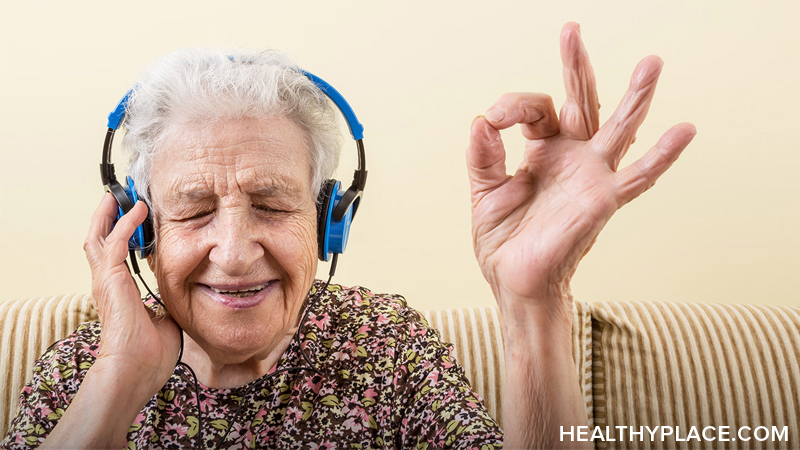
Learn about the types of music therapy and how music therapy is used in the treatment of various psychiatric disorders.
Music has soothed the souls of human beings for ages. It also has helped people recover from ailments since ancient times. Today, there is a widespread interest in the use of music therapy in treating psychiatric disorders. This article describes the various types of music therapy in use today and also offers insight into how music therapy can be incorporated into the management of psychiatric disorders and as an element of psychotherapy. (Altern Ther Health Med. 2004;11(6):52-53.)
Music is an ancient art that has soothed minds for centuries. Music helps people regain inner peace and is the voice that binds people together. It has been used to treat the sick since ancient times and frequently is used to cure depression. Songs offer people solace in adversity and joy in prosperity. They are sung on birthdays and even at the death of a loved one. Music is accepted as a universal means to express one's emotions. It was an essential component of ancient healing. A drum was beaten when treatment was offered to a patient, and a successful recovery was announced with trumpets.1 Great philosophers have assigned important roles to music in the expression of their emotions and teachings.2 Music was used to treat psychiatric illness in ancient Greek and Roman cultures.3 More recently, reports have indicated the usefulness of music therapy in managing psychiatric disorders.4 Music has been used in psychosis and neurosis and now is being used in addressing organic disorders such as dementia.5,6 There is a wealth of literature on music therapy in all fields, but sadly, renowned psychiatry textbooks fail to mention music therapy as a treatment modality, and many contain no information about it at all. The purpose of this article is to offer insight into the various types of music therapy and review some of the literature on the use of music therapy in psychiatry.
Background Music Therapy
Background music therapy is a form of therapy in which music is heard for an average of 8 to 12 hours per day as part of a hospital routine. It is transmitted via audiotapes and radio. The aim of this therapy is to create a calm environment amid the chaos in the hospital. This plays a useful role in allaying anxiety and relaxing patients in critical care.7
Contemplative Music
Contemplative music therapy helps patients appreciate the significance of music and art in general. Before music is played for patients, they are given a biography of the composer and other details about the music. This may be administered in a group setting or individually. This facilitates the uncovering of morbid experiences, termed communicative music therapy, and causes emotional enlivenment, termed reactive musical therapy. In contemplative therapy, both the music that soothes as well as the group setting and the group therapy used bring out morbid experiences of the patients. This therapy also aims to soothe agitation and alleviate sadness.8
Combined Music
In combined music therapy, music therapy is used in conjunction with other therapeutic procedures. Unlike background music therapy, it calls for the patient to select musical compositions that enhance therapeutic outcome and suit the patient. Sometimes in this form of music therapy, hypnosis is conducted while the subject listens to the music. This music is often accompanied by suggestion under hypnosis that improves the therapeutic outcome. In combined music therapy, the patient is asked to select music he likes as it will soothe him better, and here music is used as an adjuvant to various other therapies. The patient may or may not like the music chosen by the therapist and hence he is given the choice so that therapy is adhered to. This form of music therapy has been used in combination with cerebral electrosleep therapy and behavior therapy methods such as autogenic training.9
Executive Music
Executive music therapy consists of individual or group singing and playing musical instruments. Patients with long hospital stays are the best candidates for this form of therapy. It strengthens patients' self-confidence and their feelings of worth among others. Executive music therapy can be incorporated into the occupational therapy routine.10
Executive Iatromusic
In executive iatromusic therapy, a musician performs in children's psychiatric units. This form of therapy frequently is used in managing emotionally disturbed, mentally retarded, and dyslexic children.11-13
Creative Music
In creative music therapy, patients write songs, compose music, and play instruments as a form of catharsis. Grief over a deceased loved one, oppression, and repressed feelings and fears often are well expressed in music and song.14
The Use of Music Therapy in Psychiatric Disorders
Music therapy has been used effectively in both adults and children with psychiatric disorders. It has been used to modify the behavior of children with autism and pervasive developmental disorders with moderate success.15 It has been used to reduce agitation in patients with dementia by soothing them and eliminating the social isolation of these patients.16,17 Music therapy has been used in patients with Parkinson's disease to improve motor skills and emotional problems.18 There is ample evidence of the usefulness of music therapy in alleviating grief and in combating bouts of depression.19-21
Conclusions
Music no doubt plays a pivotal role in the lives of human beings. Incorporating music therapy into regular therapy programs for psychiatric disorders can help speed recovery and also help make therapy a more positive experience. Music therapy is a valuable but relatively unexplored asset in the field of psychiatry and psychotherapy.
References
1. Radin P. Music and medicine among primitive peoples. In: Schullian DM, Schoen M, eds. Music and Medicine. Freeport, NY: Books for Libraries; 1971:3-24.
2. The Internet Encyclopedia of Philosophy. Xunzi (Hsün Tzu). Available at: http://www.iep.utm.edu/x/xunzi.htm. Accessed Oct 19, 2005.
3. Meinecke, B. Music and medicine in classical antiquity. In: Schullian DM, Schoen M, eds. Music and Medicine. Freeport, NY: Books for Libraries; 1971:47-95.
4. Covington H. Therapeutic music for patients with psychiatric disorders. Holist Nurs Pract. 2001;15:59-69.
5. Brotons M, Marti P. Music therapy with Alzheimer's patients and their caregivers: A pilot project. J Music Ther. 2003;40:138-150.
6. Gregory D. Music listening for maintaining attention of older adults with cognitive impairments. J Music Ther. 2002;39:244-264.
7. Richards K, Nagel C, Markie M, Elwell J, Barone C. Use of complementary and alternative therapies to promote sleep in critically ill patients. Crit Care Nurs Clin North Am. 2003;15:329-340.
8. Schmolz A. Zur Methode der Einzelmusiktherapie. In Musiktherapie by von Kohler & Jena, G. 1971, Pp 83-88.
9. Schultz LH. Autogenic Training. Stuttgart, Thieme, 1960.
10. Keen AW. Using Music as therapy tool to motivate troubled adolescents. Soc Work Health Care. 2004; 39: 361-373.
11. Rainey Perry MM. Relating improvisational music therapy with severely and multiply disabled children to communication development. J Music Ther. 2003;40:227-246.
12. Overy, K. Dyslexia and music. From timing deficits to musical interventions. Ann NY Acad Sci. 2003;999:497-505.
13. Layman DL, Hussey DL, Laing SJ. Music therapy assessment for severely emotionally disturbed children: A pilot study. J Music Ther. 2002;39:164-187.
14. O'Callahn CC. Pain, music creativity and music therapy in palliative care. AM J Hsop Palliative Care. 1996;13(2):43-49.
15. Brownell MD. Musically adapted social stories to modify behavior in students with autism: Four case studies. J Music Ther. 2002;39:117-144.
16. Lou MF. The use of music to decrease agitated behaviour of the demented elderly: The state of the science. Scand J Caring Sci. 2001;15:165-173.
17. Gotell E, Brown S, Ekman SL. Caregiver singing and background music in dementia care. West J Nurs Res. 2002;24:195-216.
18. Pacchetti C, Mancini F, Aglieri R, Fundaro C, Martignoni E, Nappi, G. Active music therapy in Parkinson's disease: An integrative method for motor and emotional rehabilitation. Psychosom Med. 2000;62:386-393.
19. Smeijsters H, van Den Hurk J. Music therapy helping to work through grief and finding a personal identity. J Music Ther. 1999;36:222-252.
20. Ernst E, Rand JL, Stevinson C. Complementary therapies for depression: an overview. Arch Gen Psychiatry. 1998;55:1026-1032.
21. Lai YM. Effects of music listening on depressed women in Taiwan. Issues Ment Health Nurs. 1999;20:229-246.
back to: Alternative Medicine Home ~ Alternative Medicine Treatments
APA Reference
Staff, H.
(2007, October 9). Music Therapy for Treatment of Psychiatric Disorders, HealthyPlace. Retrieved
on 2025, July 8 from https://www.healthyplace.com/alternative-mental-health/treatments/music-therapy-for-treatment-of-psychiatric-disorders