Magnets To Treat Pain
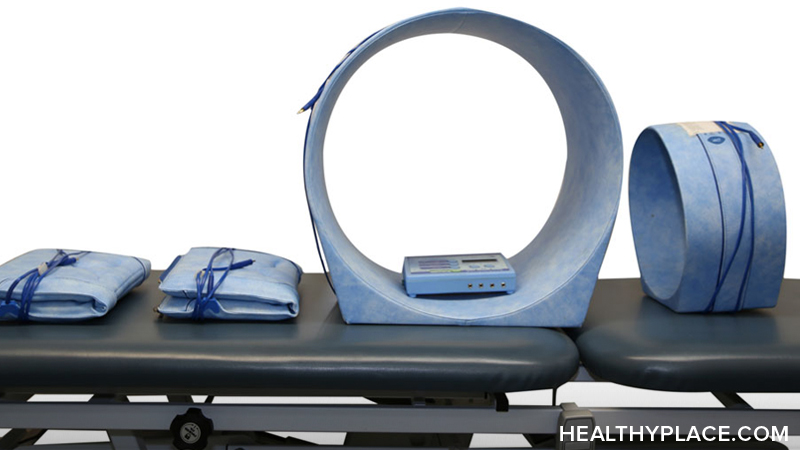
Detailed information on using magnets to treat pain. Includes scientific evidence on effectiveness of using magnets to treat pain.
Contents
- Introduction
- Key Points
- What are magnets?
- Is the use of magnets considered conventional medicine or complementary and alternative medicine?
- What is the history of the discovery and use of magnets to treat pain?
- How common is the use of magnets to treat pain?
- What are some examples of theories and beliefs about magnets and pain?
- How are static magnets used in attempts to treat pain?
- How are electromagnets used in attempts to treat pain?
- What is known from the scientific evidence about the effectiveness of magnets in treating pain?
- Are there scientific controversies associated with using magnets for pain?
- Have any side effects or complications occurred from using magnets for pain?
- What should consumers know if they are considering using magnets to treat pain?
- Is the National Center for Complementary and Alternative Medicine (NCCAM) funding research on magnets for pain and other diseases and conditions?
- For More Information
- Definitions
- References
- Appendix I: Research on Theories and Beliefs On How Magnets Might Relieve Pain
- Appendix II: General and Systematic Reviews on CAM Magnetic Therapy for Pain Published From August 1999 to August 2003
- Appendix III: Reports on Randomized Clinical Trials of Magnetic Therapy for Pain From January 1997 to March 2004
Introduction
This Research Report provides an overview of the use of magnets for pain, summarizes current scientific knowledge about their effectiveness for this purpose, and suggests additional sources of information. Terms are defined in the "Definitions" section.
Key Points
-
The vast majority of magnets marketed to consumers to treat pain are of a type called static (or permanent) magnets, because the resulting magnetic fields are unchanging. The other magnets used for health purposes are called electromagnets, because they generate magnetic fields only when electrical current flows through them. Currently, electromagnets are used primarily under the supervision of a health care provider or in clinical trials.
-
Scientific research so far does not firmly support a conclusion that magnets of any type can relieve pain. However, some people do experience some relief. Various theories have been proposed as to why, but none has been scientifically proven (see Question 5).
-
Clinical trials in this area have produced conflicting results (see Question 8). Many concerns exist regarding the quality and rigor of the studies conducted to date, leading to a call for additional, higher quality, and larger studies.
-
The U.S. Food and Drug Administration (FDA) has not approved the marketing of magnets with claims of benefits to health (such as "relieves arthritis pain"). The FDA and the Federal Trade Commission (FTC) have taken action against many manufacturers, distributors, and Web sites that make claims not supported scientifically about the health benefits of magnets.
-
It is important that people inform their health care providers about any therapy they are currently using or considering, including magnets. This is to help ensure a safe and coordinated course of care.
1. What are magnets?
Magnets are objects that produce a type of energy called magnetic fields. All magnets possess a property called polarity--that is, a magnet's power of attraction is strongest at its opposite ends, usually called the north and south poles. The north and south poles attract each other, but north repels north and south repels south. All magnets attract iron.
Magnets come in different strengths, most often measured in units called gauss (G). For comparison purposes, the Earth has a magnetic field of about 0.5 G; refrigerator magnets range from 35 to 200 G; magnets marketed for the treatment of pain are usually 300 to 5,000 G; and MRI (magnetic resonance imaging) machines widely used to diagnose medical conditions noninvasively produce up to 200,000 G.1
The vast majority of magnets marketed to consumers for health purposes (see the box below) are of a type called static (or permanent) magnets. They have magnetic fields that do not change.
| Examples of Products Using Magnets | |
|---|---|
| Shoe insoles Heel inserts Mattress pads Bandages | Belts Pillows and cushions Bracelets and other jewelry Headwear |
The other magnets used for health purposes are called electromagnets, because they generate magnetic fields only when electrical current flows through them. The magnetic field is created by passing an electric current through a wire coil wrapped around a magnetic core. Electromagnets can be pulsed--that is, the magnetic field is turned on and off very rapidly.
2. Is the use of magnets considered conventional medicine or complementary and alternative medicine?
Conventional medicine and complementary and alternative medicine (CAM) are defined in the box below.
About CAM and Conventional Medicine Complementary and alternative medicine (CAM) is a group of various medical and health care systems, practices, and products that are not presently considered to be part of conventional medicine. Conventional medicine is medicine as practiced by holders of M.D. (medical doctor) or D.O. (doctor of osteopathy) degrees and by allied health professionals, such as physical therapists, psychologists, and registered nurses. To find out more, see the NCCAM fact sheet "What Is Complementary and Alternative Medicine?"
There are some uses of electromagnets within conventional medicine. For example, scientists have found that electromagnets can be used to speed the healing of bone fractures that are not healing well.2,3 Even more commonly, electromagnets are used to map areas of the brain. However, most uses of magnets by consumers in attempts to treat pain are considered CAM, because they have not been scientifically proven and are not part of the practice of conventional medicine.
3. What is the history of the discovery and use of magnets to treat pain?
Magnets have been used for many centuries in attempts to treat pain.a By various accounts, this use began when people first noticed the presence of naturally magnetized stones, also called lodestones. Other accounts trace the beginning to a shepherd noticing that the nails in his sandals were pulled out by some stones. By the third century A.D., Greek physicians were using rings made of magnetized metal to treat arthritis and pills made of magnetized amber to stop bleeding. In the Middle Ages, doctors used magnets to treat gout, arthritis, poisoning, and baldness; to probe and clean wounds; and to retrieve arrowheads and other iron-containing objects from the body.
In the United States, magnetic devices (such as hairbrushes and insoles), magnetic salves, and clothes with magnets applied came into wide use after the Civil War, especially in some rural areas where few doctors were available. Healers claimed that magnetic fields existed in the blood, organs, or elsewhere in the body and that people became ill when their magnetic fields were depleted. Thus, healers marketed magnets as a means of "restoring" these magnetic fields. Magnets were promoted as cures for paralysis, asthma, seizures, blindness, cancer, and other conditions. The use of magnets to treat medical problems remained popular well into the 20th century. More recently, magnets have been marketed for a wide range of diseases and conditions, including pain, respiratory problems, high blood pressure, circulatory problems, arthritis, rheumatism, and stress.
a Sources for this historical discussion include references 1, 4, and 5.
4. How common is the use of magnets to treat pain?
A 1999 survey of patients who had rheumatoid arthritis, osteoarthritis, or fibromyalgia and were seen by rheumatologists reported that 18 percent had used magnets or copper bracelets, and that this was the second-most-used CAM therapy by these patients, after chiropractic.6 One estimate places Americans' spending on magnets to treat pain at $500 million per year; the worldwide estimate is $5 billion.7 Many people purchase magnets in stores or over the Internet to use on their own without consulting a health care provider.
5. What are some examples of theories and beliefs about magnets and pain?
Some examples of theories and beliefs about using magnets to treat pain are listed below. These range from theories proposed by scientific researchers to claims made by magnet manufacturers. It is important to note that while the results for some of the findings from the scientific studies have been intriguing, none of the theories or claims below has been conclusively proven. For the following, summaries of research from peer-reviewed medical and scientific journals appear in Appendix I:
-
Static magnets might change how cells function.
-
Magnets might alter or restore the equilibrium (balance) between cell death and growth.
-
Because it contains iron, blood might act as a conductor of magnetic energy. Static magnets might increase the flow of blood and, therefore, increase the delivery of oxygen and nutrients to tissues.
-
Weak pulsed electromagnets might affect how nerve cells respond to pain.
-
Pulsed electromagnets might change the brain's perception of pain.
-
Electromagnets might affect the production of white blood cells involved in fighting infection and inflammation.
Here are two other theories and beliefs:
-
Magnets might increase the temperature of the area of the body being treated.
-
"Magnetizing" or "re-magnetizing" drinking water or other beverages might allow them to hydrate the body better and flush out more "toxins" than ordinary drinking water.
6. How are static magnets used in attempts to treat pain?
Static magnets are usually made from iron, steel, rare-earth elements, or alloys. Typically, the magnets are placed directly on the skin or placed inside clothing or other materials that come into close contact with the body. Static magnets can be unipolar (one pole of the magnet faces or touches the skin) or bipolar (both poles face or touch the skin, sometimes in repeating patterns).8 Some magnet manufacturers make claims about the poles of magnets--for example, that a unipolar design is better than a bipolar design, or that the north pole gives a different effect from the south pole. These claims have not been scientifically proven.1,9
A small number of rigorous scientific studies have examined the efficacy of static magnets in treating pain. This evidence is discussed in Question 8 and Appendices II and III.
7. How are electromagnets used in attempts to treat pain?
Electromagnets were approved by the FDA in 1979 to treat bone fractures that have not healed well.2,3 Researchers have been studying electromagnets for painful conditions, such as knee pain from osteoarthritis, chronic pelvic pain, problems in bones and muscles, and migraine headaches.3,9-12 However, these uses of electromagnets are still considered experimental by the FDA and have not been approved. Currently, electromagnets to treat pain are being used mainly under the supervision of a health care provider and/or in clinical trials.
An electromagnetic therapy called TMS (transcranial magnetic stimulation) is also being studied by researchers. In TMS, an insulated coil is placed against the head, near the area of the brain to be examined or treated, and an electrical current generates a magnetic field into the brain. Currently, TMS is most often used as a diagnostic tool, but research is also under way to see whether it is effective in relieving pain.13,14 A type of TMS called rTMS (repetitive TMS) is believed by some to produce longer lasting effects and is being explored for its usefulness in treating chronic pain, facial pain, headache, and fibromyalgia pain.15,16 A related form of electromagnetic therapy is rMS (repetitive magnetic stimulation). It is similar to rTMS except that the magnetic coil is placed on or near a painful area of the body other than the head. This therapy is being studied as a treatment for musculoskeletal pain.17,18
8. What is known from the scientific evidence about the effectiveness of magnets in treating pain?
Overall, the research findings so far do not firmly support claims that magnets are effective for treatment of pain.
Findings from Reviews of Scientific Studies
Reviews take a broad look at the findings from a group of individual research studies. Such reviews are usually either a general review, a systematic review, or a meta-analysis. There are not many reviews available on CAM uses of magnets to treat pain. Appendix II provides examples of six reviews published from August 1999 through August 2003 in English in the National Library of Medicine's MEDLINE database.
-
Often, these reviews compared what is known from the clinical trials of magnets for painful conditions to what is known from conventional treatments or from other CAM treatments for the same condition(s).
-
One review found that static magnetic therapy may work for certain conditions but that there is not adequate scientific support to justify its use.1
-
Three reviews found that electromagnetic therapy showed promise for the treatment of some, but not all, painful conditions, and that more research is needed.9,19,20 One of these reviews also looked at two randomized clinical trials (RCTs) of static magnets.9 One reported significant pain relief in subjects using magnets, but the other did not.
-
Another review concluded that TMS has an effect on the central nervous system that might relieve chronic pain and, therefore, should be studied further.14
-
The remaining review found no studies on magnets for neck pain and stated that rigorous studies are much needed.21
-
It is important to note that the reviews pointed out problems with the rigor of most research on magnets for pain.9,14,19,20 For example, many of the clinical trials involved a very small number of participants, were conducted for very short durations (e.g., one study applied a magnet a total of one time for 45 minutes), and/or lacked a placebo or sham group for comparison to the magnet group.19,20 Thus, the results of many trials may not be truly meaningful. Most reviews stated that more and better quality research is needed before magnets' effectiveness can be adequately judged. Findings from Clinical Trials
The studies in Appendix III give an overview of scientific research from 15 RCTs published in English from January 1997 through March 2004 and cataloged in the National Library of Medicine's MEDLINE database. These trials studied CAM uses of static magnets or electromagnets for various kinds of pain.
-
The results of trials of static magnets have been conflicting. Four of the nine static magnet trials analyzed found no significant difference in pain relief from using a magnet compared with sham treatment or usual medical care.7,8,22,23 Four trials did find a significant difference, with greater benefit seen from magnets.24-27 The remaining trial compared only a weaker strength magnet to a stronger magnet, and found benefit from both (there was no difference between groups in how much benefit).28
-
Trials of electromagnets yielded more consistent results. Five out of six trials found that these magnets significantly reduced pain.10,11,17,18,29 The sixth found a significant benefit to physical function from using electromagnets, but not to pain or stiffness.30
-
Some study authors suggested that a placebo effect could have been responsible for the pain relief that occurred from magnets.22,30
-
While criticizing many of these studies, it is fair to say that testing magnets in clinical trials has presented challenges. For example, it can be difficult to design a sham magnet that appears exactly like an active magnet. Also, there has been concern about how many participants have tried to determine whether they have been assigned an active magnet (for example, by seeing whether a paperclip would be attracted to it); this knowledge could affect how meaningful a trial's results are.
9. Are there scientific controversies associated with using magnets for pain?
Yes, there are many controversies. Examples include:
-
The mechanism(s) by which magnets might relieve pain have not been conclusively identified or proven.
-
Pain relief while using a magnet may be due to reasons other than the magnet. For example, there could be a placebo effect or the relief could come from whatever holds the magnet in place, such as a warm bandage or a cushioned insole.22,24
-
Opinions differ among manufacturers, health care providers who use magnetic therapy, and others about which types of magnets (strength, polarity, length of use, and other factors) should be used and how they should be used in studies to give the most definitive answers.
-
Actual magnet strengths can vary (sometimes widely) from the strengths claimed by manufacturers. This can affect scientists' ability to reproduce the findings of other scientists and consumers' ability to know what strength magnet they are actually using.26,31,32
10. Have any side effects or complications occurred from using magnets for pain?
The kinds of magnets marketed to consumers are generally considered to be safe when applied to the skin.7 Reports of side effects or complications have been rare. One study reported that a small percentage of participants had bruising or redness on their skin where a magnet was worn.33
Manufacturers often recommend that static magnets not be used by the following people1:
-
Pregnant women, because the possible effects of magnets on the fetus are not known.
-
People who use a medical device such as a pacemaker, defibrillator, or insulin pump, because magnets may affect the magnetically controlled features of such devices.
-
People who use a patch that delivers medication through the skin, in case magnets cause dilation of blood vessels, which could affect the delivery of the medicine. This caution also applies to people with an acute sprain, inflammation, infection, or wound.
There have been rare cases of problems reported from the use of electromagnets. Because at present these are being used mainly under the supervision of a health care provider and/or in clinical trials, readers are advised to consult their provider about any questions.
11. What should consumers know if they are considering using magnets to treat pain?
-
It is important that people inform all their health care providers about any therapy they are using or considering, including magnetic therapy. This is to help ensure a safe and coordinated plan of care.
-
In the studies that did find benefits from magnetic therapy, many have shown those benefits very quickly. This suggests that if a magnet does work, it should not take very long for the user to start noticing the effect. Therefore, people may wish to purchase magnets with a 30-day return policy and return the product if they do not get satisfactory results within 1 to 2 weeks.
-
If people decide to use magnets and they experience side effects that concern them, they should stop using the magnets and contact their health care providers.
-
Consumers who are considering magnets, whether for pain or other conditions, can consult the free publications prepared by Federal Government agencies. See "For More Information."
If You Buy a Magnet...
Check on the company's reputation with consumer protection agencies. Watch for high return fees. If you see them before purchase, ask that they be dropped and obtain written confirmation that they will be. Pay by credit card if possible. This offers you more protection if there is a problem. If you buy from sources (such as Web sites) that are not based in the United States, U.S. law can do little to protect you if you have a problem related to the purchase.
Sources: The FDA and the Pennsylvania Medical Society
12. Is the National Center for Complementary and Alternative Medicine (NCCAM) funding research on magnets for pain and other diseases and conditions?
Yes. For example, recent projects supported by NCCAM include:
-
Static magnets, for fibromyalgia pain and quality of life
-
Pulsed electromagnets, for migraine headache pain
-
Static magnets, for their effects on networks of blood vessels involved in healing
-
TMS, for Parkinson's disease
-
Electromagnets, for their effects on injured nerve and muscle cells
In addition, the papers by Alfano et al.,26 Swenson,21 and Wolsko et al.27 report on research funded by NCCAM.
For More Information
NCCAM Clearinghouse
Toll-free in the U.S.: 1-888-644-6226
International: 301-519-3153
TTY (for deaf or hard-of-hearing callers): 1-866-464-3615
E-mail: info@nccam.nih.gov
Web site: http://nccam.nih.gov
Address: NCCAM Clearinghouse,
P.O. Box 7923, Gaithersburg, MD 20898-7923
Fax: 1-866-464-3616
Fax-on-Demand service: 1-888-644-6226
CAM on PubMed Web site:www.nlm.nih.gov/nccam/camonpubmed.html
CAM on PubMed, a database developed jointly by NCCAM and the National Library of Medicine, offers citations to (and in most cases, brief summaries of) articles on CAM in scientifically based, peer-reviewed journals. CAM on PubMed also links to many publisher Web sites, which may offer the full text of articles.
U.S. Food and Drug Administration (FDA)
Web site: www.fda.gov
Toll-free in the U.S.: 1-888-INFO-FDA (1-888-463-6332)
The FDA is a Federal agency responsible for protecting the public health by assuring the safety, efficacy, and security of medicines, biological products, medical devices, foods, cosmetics, and consumer products that produce radiation.
Center for Devices and Radiological Health (CDRH)
Web site: www.fda.gov/cdrh
Toll-free: 1-888-463-6332The CDRH has consumer information on magnets and magnetic devices and on buying medical devices online.
Federal Trade Commission (FTC)
Web site: www.ftc.gov
Toll-free in the U.S.: 1-888-382-4357
The FTC is a Federal agency that works to maintain a competitive marketplace for both consumers and businesses. It regulates all advertising, except prescription drugs and medical devices, ensuring that advertisements are truthful and not misleading for consumers. Brochures include " 'Miracle' Health Claims: Add a Dose of Skepticism."
Definitions
Alloy: A metallic substance consisting of either a mixture of two or more metals, or a metal that has been mixed with a nonmetal.
Anecdotal evidence: Evidence made up of one or more anecdotes. In science, an anecdote is a story about a person's experience, told by that person.
Chiropractic: An alternative medical system that focuses on the relationship between bodily structure (primarily that of the spine) and function, and how that relationship affects the preservation and restoration of health. Chiropractors use a type of hands-on therapy called manipulation (or adjustment) as an integral treatment tool.
Clinical trial: A research study in which a treatment or therapy is tested in people to see whether it is safe and effective. Clinical trials are a key part of the process in finding out which treatments work, which do not, and why. Clinical trial results also contribute new knowledge about diseases and medical conditions.
Diabetic peripheral neuropathy: A nerve disorder caused by diabetes. This disorder leads to a partial or complete loss of feeling in the feet and, in some cases, the hands, and pain and weakness in the feet.
Efficacy: In scientific research, a treatment's efficacy is its power to obtain a desired effect, such as reducing pain.
Fibromyalgia: A chronic disorder involving musculoskeletal pain, multiple tender points on the body, and fatigue.
General review: An analysis in which information from various studies is summarized and evaluated. Conclusions are then made based on this evidence.
Magnetic resonance imaging (MRI): A test that uses powerful magnets and radio waves to create detailed pictures of structures and organs inside the body.
Meta-analysis: A type of research review that uses statistical techniques to analyze results from a collection of individual studies.
Myofascial pain syndrome: A chronic musculoskeletal pain disorder. Pain may occur when "trigger points," or especially tender areas on the body, are touched, or in other points in the body.
Peer reviewed: Reviewed before publication by a group of experts in the same field.
Placebo: A placebo is designed to resemble as much as possible the treatment being studied in a clinical trial, except that the placebo is inactive. An example of a placebo is a pill containing sugar instead of the drug or other substance being studied. By giving one group of participants a placebo and the other group the active treatment, the researchers can compare how the two groups respond and get a truer picture of the active treatment's effects. In recent years, the definition of placebo has been expanded to include other things that could have an effect on the results of health care, such as how a patient and a health care provider interact and what the patient expects to happen from the care.
Plastic change: The ability of the brain's connections to change, which affects many functions such as learning and recovery from damage.
Prospective study: A type of research study in which participants are followed over time for the effect(s) of a health care treatment.
Pulsed ET: Pulsed electromagnetic therapy, in which the magnetic field created by an electric current is turned on and off very rapidly.
Randomized clinical trial (RCT): In a randomized clinical trial, each participant is assigned by chance (through a computer or a table of random numbers) to one of two groups. The investigational group receives the therapy, also called the active treatment. The control group receives either the standard treatment, if there is one, for their disease or condition, or a placebo.
Rare-earth element: One of a group of relatively scarce, metallic elements or minerals. Examples include lanthanum, neodymium, and ytterbium.
Rheumatologist: A physician (M.D. or D.O.) who specializes in inflammatory disorders of the joints, muscles, and fibrous tissues.
rMS: Repetitive magnetic stimulation. In rMS, an insulated coil is placed against a part of the body other than the head, and an electrical current generates a magnetic field into that area.
rTMS: Repetitive transcranial magnetic stimulation. This type of transcranial magnetic stimulation, or TMS (see definition below), is believed by some to produce longer lasting effects.
Sham: A sham device or procedure is one type of placebo (defined above). When the treatment under study is a procedure or device (not a drug or other substance), a sham procedure or device may be designed that resembles the active treatment but does not have any active treatment qualities.
Systematic review: A type of research review in which data from a set of studies on a particular question or topic are collected, analyzed, and critically reviewed.
TMS: Transcranial magnetic stimulation. In this type of electromagnetic therapy, an insulated coil is placed against the head, and an electrical current generates a magnetic field into the brain.
References
- 1 Ratterman R, Secrest J, Norwood B, et al. Magnet therapy: what's the attraction? Journal of the American Academy of Nurse Practitioners. 2002;14(8):347-353.
- 2 Bassett CA, Mitchell SN, Gaston SR. Pulsing electromagnetic field treatment in ununited fractures and failed arthrodeses. Journal of the American Medical Association. 1982;247(5):623-628.
- 3 Trock DH. Electromagnetic fields and magnets: investigational treatment for musculoskeletal disorders. Rheumatic Disease Clinics of North America. 2000;26(1):51-62.
- 4 Basford JR. A historical perspective of the popular use of electric and magnetic therapy. Archives of Physical Medicine and Rehabilitation. 2001;82(9):1261-1269.
- 5 Macklis RM. Magnetic healing, quackery, and the debate about the health effects of electromagnetic fields. Annals of Internal Medicine. 1993;118(5):376-383.
- 6 Rao JK, Mihaliak K, Kroenke K, et al. Use of complementary therapies for arthritis among patients of rheumatologists. Annals of Internal Medicine. 1999;131(6):409-416.
- 7 Winemiller MH, Billow RG, Laskowski ER, et al. Effect of magnetic vs sham-magnetic insoles on plantar heel pain: a randomized controlled trial. Journal of the American Medical Association. 2003;290(11):1474-1478.
- 8 Collacott EA, Zimmerman JT, White DW, et al. Bipolar permanent magnets for the treatment of chronic low back pain: a pilot study. Journal of the American Medical Association. 2000;283(10):1322-1325.
- 9 Vallbona C, Richards T. Evolution of magnetic therapy from alternative to traditional medicine. Physical Medicine and Rehabilitation Clinics of North America. 1999;10(3):729-754.
- 10 Jacobson JI, Gorman R, Yamanashi WS, et al. Low-amplitude, extremely low frequency magnetic fields for the treatment of osteoarthritic knees: a double-blind clinical study. Alternative Therapies in Health and Medicine. 2001;7(5):54-69.
- 11 Pipitone N, Scott DL. Magnetic pulse treatment for knee osteoarthritis: a randomised, double-blind, placebo-controlled study. Current Medical Research and Opinion. 2001;17(3):190-196.
- 12 Varcaccio-Garofalo G, Carriero C, Loizzo MR, et al. Analgesic properties of electromagnetic field therapy in patients with chronic pelvic pain. Clinical and Experimental Obstetrics and Gynecology. 1995;22(4):350-354.
- 13 Kanda M, Mima T, Oga T, et al. Transcranial magnetic stimulation (TMS) of the sensorimotor cortex and medial frontal cortex modifies human pain perception. Clinical Neurophysiology: Official Journal of the International Federation of Clinical Neurophysiology. 2003;114(5):860-866.
- 14 Pridmore S, Oberoi G. Transcranial magnetic stimulation applications and potential use in chronic pain: studies in waiting. Journal of the Neurological Sciences. 2000;182(1):1-4.
- 15 Lefaucheur JP, Drouot X, Nguyen JP. Interventional neurophysiology for pain control: duration of pain relief following repetitive transcranial magnetic stimulation of the motor cortex. Neurophysiologie Clinique. 2001;31(4):247-252.
- 16 Migita K, Uozumi T, Arita K, et al. Transcranial magnetic coil stimulation of motor cortex in patients with central pain. Neurosurgery. 1995;36(5):1037-1039.
- 17 Pujol J, Pascual-Leone A, Dolz C, et al. The effect of repetitive magnetic stimulation on localized musculoskeletal pain. Neuroreport. 1998;9(8):1745-1748.
- 18 Smania N, Corato E, Fiaschi A, et al. Therapeutic effects of peripheral repetitive magnetic stimulation on myofascial pain syndrome. Clinical Neurophysiology. 2003;114(2):350-358.
- 19 Hulme J, Robinson V, DeBie R, et al. Electromagnetic fields for the treatment of osteoarthritis. Cochrane Database of Systematic Reviews. 2003;(3):CD003523.
- 20 Huntley A, Ernst E. Complementary and alternative therapies for treating multiple sclerosis symptoms: a systematic review. Complementary Therapies in Medicine. 2000;8(2):97-105.
- 21 Swenson RS. Therapeutic modalities in the management of nonspecific neck pain. Physical Medicine and Rehabilitation Clinics of North America. 2003;14(3):605-627.
- 22 Carter R, Hall T, Aspy CB, et al. The effectiveness of magnet therapy for treatment of wrist pain attributed to carpal tunnel syndrome. Journal of Family Practice. 2002;51(1):38-40.
- 23 Caselli MA, Clark N, Lazarus S, et al. Evaluation of magnetic foil and PPT insoles in the treatment of heel pain. Journal of the American Podiatric Medical Association. 1997;87(1):11-16.
- 24 Weintraub MI, Wolfe GI, Barohn RA, et al. Static magnetic field therapy for symptomatic diabetic neuropathy: a randomized, double-blind, placebo-controlled trial. Archives of Physical Medicine and Rehabilitation. 2003;84(5):736-746.
- 25 Hinman MR, Ford J, Heyl H. Effects of static magnets on chronic knee pain and physical function: a double-blind study. Alternative Therapies in Health and Medicine. 2002;8(4):50-55.
- 26 Alfano AP, Taylor AG, Foresman PA, et al. Static magnetic fields for treatment of fibromyalgia: a randomized controlled trial. Journal of Alternative and Complementary Medicine. 2001;7(1):53-64.
- 27 Wolsko PM, Eisenberg DM, Simon LS, et al. Double-blind placebo-controlled trial of static magnets for the treatment of osteoarthritis of the knee: results of a pilot study. Alternative Therapies in Health and Medicine. 2004;10(2):36-43.
- 28 Segal NA, Toda Y, Huston J, et al. Two configurations of static magnetic fields for treating rheumatoid arthritis of the knee: a double-blind clinical trial. Archives of Physical Medicine and Rehabilitation. 2001;82(10):1453-1460.
- 29 Thuile C, Walzl M. Evaluation of electromagnetic fields in the treatment of pain in patients with lumbar radiculopathy or the whiplash syndrome. NeuroRehabilitation. 2002;17(1):63-67.
- 30 Nicolakis P, Kollmitzer J, Crevenna R, et al. Pulsed magnetic field therapy for osteoarthritis of the knee: a double-blind sham-controlled trial. Wiener Klinische Wochenschrift. 2002;114(15-16):678-684.
- 31 Blechman AM, Oz MC, Nair V, et al. Discrepancy between claimed field flux density of some commercially available magnets and actual gaussmeter measurements. Alternative Therapies in Health and Medicine. 2001;7(5):92-95.
- 32 McLean MJ, Engström S, Holcomb R. Static magnetic fields for the treatment of pain. Epilepsy & Behavior. 2001;2:S74-S80.
- 33 Brown CS, Ling FW, Wan JY, et al. Efficacy of static magnetic field therapy in chronic pelvic pain: a double-blind pilot study. American Journal of Obstetrics and Gynecology. 2002;187(6):1581-1587.
- 34 McLean MJ, Holcomb RR, Wamil AW, et al. Blockade of sensory neuron action potentials by a static magnetic field in the 10 mT range. Bioelectromagnetics. 1995;16(1):20-32.
- 35 Fanelli C, Coppola S, Barone R, et al. Magnetic fields increase cell survival by inhibiting apoptosis via modulation of Ca2+ influx. The FASEB Journal. 1999;13(1):95-102.
- 36 Martel GF, Andrews SC, Roseboom CG. Comparison of static and placebo magnets on resting forearm blood flow in young, healthy men. Journal of Orthopaedic and Sports Physical Therapy. 2002;32(10):518-524.
- 37 Ryczko MC, Persinger MA. Increased analgesia to thermal stimuli in rats after brief exposures to complex pulsed 1 microTesla magnetic fields. Perceptual and Motor Skills. 2002;95(2):592-598.
- 38 Johnson MT, McCullough J, Nindl G, et al. Autoradiographic evaluation of electromagnetic field effects on serotonin (5HT1A) receptors in rat brain. Biomedical Sciences Instrumentation. 2003;39:466-470.
- 39 Johnson MT, Vanscoy-Cornett A, Vesper DN, et al. Electromagnetic fields used clinically to improve bone healing also impact lymphocyte proliferation in vitro. Biomedical Sciences Instrumentation. 2001;37:215-220. Top
Appendix I
Research on Theories and Beliefs On How Magnets Might Relieve Pain
Theory: Static magnets might change how cells function.
Description of Studies: (1) Mouse nerve cells were exposed to static magnetic fields of three different strengths, and the cells were stimulated with pulses of electricity. (2) Mouse nerve cells were exposed to a static magnetic field and capsaicin (a pain-producing substance).
Findings: (1) Exposure of nerve cells in culture to a static 110-G magnetic field reduced their ability to transmit electrical impulses. (2) Magnets prevented mouse nerve cells from responding to capsaicin.
Citations: (1) McLean et al., 199534 and (2) McLean et al., 200132
Theory: Magnets might alter/restore the balance between cell death and growth.
Description of Study: Cultures of the U937 human lymphoma (a tumor of lymph node tissue) cell line were exposed to a static magnetic field at the same time that they were treated with agents that cause cell death.
Findings: Static magnet fields protected some cells from agents that cause cell death and allowed them to survive and grow.
Citation: Fanelli et al., 199935
Theory: Static magnets might increase blood flow.
Description of Study: Randomized clinical trial (RCT) of 20 healthy young men who wore static magnets or placebo devices on their forearms for 30 minutes.
Findings: Blood flow was not significantly different when comparing the results of the magnet session with the placebo session.
Citation: Martel et al., 200236
Theory: Weak pulsed electromagnets might affect how nerve cells respond to pain.
Description of Study: The pain threshold to a hot surface was measured for rats before and 30 and 60 minutes after exposure to weak pulsed electromagnets for 30 minutes.
Findings: An increase in pain threshold (analgesic effect) was found 30 and 60 minutes after exposure to pulsed electromagnets.
Citation: Ryczko and Persinger, 200237
Theory: Pulsed electromagnets might change the brain's perception of pain.
Description of Study: Rats were exposed to pulsed electromagnets (treatment group) or static magnetics (control group) 4 hours/day, for up to 28 days. The brains were removed and changes in the number of serotonin (a brain chemical that affects stress and pain) receptors were examined.
Findings: Significant increases in the number of receptors that bind serotonin were observed in the brains of the rats exposed to a pulsed electromagnet.
Citation: Johnson et al., 200338
Theory: Electromagnets might affect the production of white blood cells involved in fighting infection and inflammation.
Description of Study: Human and rat white blood cells were exposed to electromagnets or pulsed electromagnets.
Findings: Both the human and rat cells exposed to either type of electromagnetic therapy (ET) showed a modest increased capacity to multiply.
Citation: Johnson et al., 200139
Appendix II
General and Systematic Reviews on CAM Magnetic Therapy for Pain Published From August 1999 to August 2003
Static Magnetic Therapy
Authors: Ratterman et al., 20021
Type: General review
Description: Summarized 9 clinical trials on static magnetic therapy for treating postpolio pain, diabetic peripheral neuropathy, neck pain, low-back pain, fibromyalgia, postsurgical pain, and headache.
Findings: The authors stated that static magnets may work for certain conditions, but there is not adequate scientific support to justify their use.
Electromagnetic Therapy
Authors: Hulme et al., 200319
Type: Systematic review
Description: Looked at 3 RCTs that compared pulsed electromagnets (2 RCTs) or direct electric stimulation (1 RCT) with placebo in treating osteoarthritis. Both trials of pulsed electromagnets studied osteoarthritis of the knee; one of these studied osteoarthritis of the neck as well. The primary measure of effectiveness was pain relief.
Findings: The review found the RCTs to show that pulsed electromagnets had a small-to-moderate effect on knee pain, and a much smaller effect on neck pain. They concluded that "the current limited evidence does not show a clinically important benefit" of pulsed electromagnets for treating osteoarthritis of the knee or neck. They also identified a need for larger trials to see whether clinically important benefits exist.
Authors: Huntley and Ernst, 200020
Type: Systematic review
Description: Reviewed 12 RCTs for 7 CAM modalities for pain and other symptoms of multiple sclerosis. Included one RCT of rMS (38 patients) and one RCT of pulsed electromagnets (30 patients). Other modalities examined were nutritional therapy, massage, Feldenkrais bodywork, reflexology, neural therapy, and psychological counseling.
Findings: Both magnet studies reviewed found short-term benefits in relieving painful muscle spasms and other symptoms, and in improving activity levels. Authors called for "rigorous research" on CAM for multiple sclerosis patients.
Authors: Pridmore and Oberoi, 200014
Type: General review
Description: Discussed an array of basic and clinical research on TMS, focusing on its effect on the central nervous system (CNS) and on its potential effectiveness in relieving chronic pain.
Findings: Authors concluded, "Evidence indicates that TMS can produce plastic changes in the CNS, which are observable at both the cellular and psychological levels." Citing a lack of comprehensive studies, they proposed that "studies are justified to determine whether TMS can provide short-term or long-term relief in chronic pain."
Electromagnetic and Static Magnetic Therapies
Author: Swenson, 200321
Type: General review
Description: Searched for studies on various treatments for nonspecific neck pain.
Findings: Found no studies on magnets for neck pain, despite the popular interest in magnetic therapy, and "several very limited reports" from use for other pain. The author stated that rigorous studies are "desperately needed," especially those that could effectively double-blind patients and practitioners to treatment.
Authors: Vallbona and Richards, 19999
Type: General review
Description: Pulsed Electromagnets--Commented on 32 RCTs of pulsed electromagnets for conditions such as neck/shoulder pain, bone and joint diseases, neurologic disorders, sleep disorders, wounds and ulcers, postoperative bowel obstruction, and perineal trauma from childbirth. Pain is a key symptom of many of the conditions examined, and pain intensity was a clinical outcome measure in many of the studies. Static Magnets--Discussed two RCTs: one for neck and shoulder pain and one for postpolio pain.
Findings: Pulsed Electromagnets--Authors found that 26 of 32 RCTs of pulsed ET showed it to be an effective treatment for the conditions studied. Pain was decreased in disorders including neck pain, osteoarthritis, and leg ulcers. Static Magnets--An RCT of static magnets for neck and shoulder pain did not find any significant pain relief in subjects using magnets. An RCT of static magnets for postpolio pain yielded data that "suggest significant pain relief realized by patients who were exposed to active magnets." Vallbona and Richards noted that many studies of static magnets rely on anecdotal evidence or small study sizes, are sponsored by magnet manufacturers, and/or are not published in peer-reviewed journals.
Appendix III
Reports on Randomized Clinical Trials of Magnetic Therapy for Pain From January 1997 to March 2004
Static Magnetic Therapy
Authors: Wolsko et al., 200427
Description: Participants (26) with osteoarthritis of the knee received either a sleeve containing magnets, to be worn over the knee area, or a placebo sleeve that appeared identical. They wore their sleeves for the first 4 hours and then at least 6 hours a day for 6 weeks. Knee pain was measured at 4 hours, 1 week, and 6 weeks.
Findings: There was a statistically significant improvement in pain in the treatment group at 4 hours, but not at 1 week or 6 weeks.
Authors: Winemiller et al., 20037
Description: Participants (95) who had had plantar heel pain for at least 30 days received either shoe insoles containing a magnet or insoles that were identical except for having no magnet. They wore the insoles at least 4 hours a day 4 days/week for 8 weeks. Outcomes were measured by a daily pain diary. Findings: There were no significant differences in pain outcomes between the two groups. Both experienced significant improvement in morning foot pain and in enjoyment of their jobs (because of reduced foot pain).
Authors: Weintraub et al., 200324
Description: Patients (259) with diabetic peripheral neuropathy wore static magnetic shoe insoles or an unmagnetized sham device continuously for 4 months. Primary outcome measures were burning, numbness and tingling, exercise-induced foot pain, and sleep interruption due to pain.
Findings: Authors found that statistically significant reductions in burning, numbness and tingling, and exercise-induced foot pain occurred in the treatment group, but only during months 3 and 4. Some patients in the treatment group with more severe baseline pain had significant reductions in numbness and tingling and in foot pain throughout the study period.
Authors: Hinman et al., 200225
Description: Participants (43) with chronic knee pain wore pads containing static magnets or placebos over their painful joints for 2 weeks. Outcomes were measured using self-administered ratings of pain and physical function, and a timed 50-foot walk.
Findings: At the end of 2 weeks, those wearing magnets reported significantly less pain, and better daily physical function and walking speed, than those wearing placebos. Most of those wearing magnets experienced pain relief within 30 minutes of the initial application of the magnets.
Authors: Carter et al., 200222
Description: Participants (30) with carpal tunnel syndrome wore a magnetic or placebo device on the wrist over the carpal tunnel area for 45 minutes. Participants rated their pain at 15-minute intervals while wearing the device, after removing the device, and after 2 weeks.
Findings: The magnet was no more effective than the placebo in relieving pain. Significant pain reduction was reported for both treatment and placebo groups during a 45-minute application. The reduction in pain was still detectable 2 weeks later; authors suggested that this could be from a placebo effect.
Authors: Segal et al., 200128
Description: Patients (64) with rheumatoid arthritis of the knee received one of two magnetic devices: one containing four strong magnets or one containing only one weaker magnet. There was no nonmagnetic or sham treatment. Devices were worn continuously for 1 week. Outcome measures were the participants' pain diaries in which they assessed their level of pain twice a day.
Findings: Both devices produced significant pain reduction after 1 week of use. A significant difference was not seen between the two groups. The authors indicated that a nonmagnetic placebo treatment should be used in future studies.
Authors: Alfano et al., 200126
Description: Patients with fibromyalgia (94 subjects) received either (1) usual care, (2) a pad containing static magnets placed between the mattress and box springs, (3) an eggcrate-like foam mattress pad containing static magnets of varying strength, or (4) a mattress pad containing magnets that had been demagnetized. Outcome measures were functional status, pain, and the number and intensity of tender points after 6 months.
Findings: Compared with the usual-care group and the sham group, people who used the pads containing active magnets reported improvements in function, pain intensity level, number of tender points, and intensity of tender points after 6 months. However, except for pain intensity, measurements were not significantly different from scores reported for the sham treatment group or the usual-care group.
Authors: Collacott et al., 20008
Description: Participants (20) who had had chronic low-back pain for at least 6 months wore a magnetic device for 1 week (6 hours/day, 3 days/week). After 1 week of no treatment, the participants wore a sham device for 1 week (6 hours/day, 3 days/week). The primary outcome was pain intensity, which was measured by a visual analog scale.
Findings: No significant differences in outcomes were found between the magnetic and sham therapies.
Authors: Caselli et al., 199723
Description: Participants (34) with heel pain wore a molded insole with or without a static magnetic foil insert for 4 weeks. The outcomes were measured in terms of the foot function index (pain, disability, and activity restriction).
Findings: Use of the magnetic insole was no more effective than the sham as measured by the foot function index. About 60% of patients from both groups noted improvement in heel pain after 4 weeks, which suggests that the molded insole itself was effective in treating heel pain.
Electromagnetic Therapy
Authors: Smania et al., 200318
Description: Participants (18) who had painful trigger points from myofascial pain syndrome received, over a period of 2 weeks, either 10 sessions of rMS or a sham treatment. During each 20-minute treatment, two different coils from the rMS device delivered pulsed ET when placed on each patient's trigger point. Patients were evaluated for 1 month after the treatments, using pain scales and clinical exams.
Findings: The participants who received the magnetic therapy had significant improvement in all pain measurements and in some range-of-motion measurements that persisted throughout the evaluation period. The placebo group did not show any significant improvement.
Authors: Nicolakis et al., 200230
Description: Participants (32) with osteoarthritis of the knee lay on a pulsed electromagnetic mat or a sham mat for 30 minutes twice a day for 6 weeks. The primary outcome measures were pain, stiffness, and physical function.
Findings: At the end of 6 weeks, physical function scores were significantly improved for the treatment group compared with the sham group. Pain and stiffness decreased for both groups, with what the study authors called a "marked" placebo effect for participants using the sham treatment. There was no significant difference between the groups for pain and stiffness.
Authors: Thuile and Walzl, 200229
Description: Two prospective studies of ET for low-back pain (100 participants) and whiplash (92 participants). Half of the participants in each study received ET twice a day for 2 weeks plus standard medications. The other half received only standard medications. ET consisted of applying a low-energy, low-frequency magnetic field cushion for 16 minutes and using a whole-body mat for 8 minutes. Evaluation of the low-back pain participants consisted of counting the interval to reported pain relief and/or painless walking, and measuring hip flexion to the point of pain. Participants in the whiplash study reported their pain on a 10-point scale and had their range of motion measured.
Findings: In the low-back pain study, the ET group reported the following compared with the control group: statistically significant pain relief and/or pain-free walking 3.5 days sooner and increased ability to bend at the hip. In the whiplash study, the ET group, compared with the control group, had significantly decreased pain in the head, neck, and shoulder/arm areas after treatment, and significantly greater range of motion.
Authors: Pipitone and Scott, 200111
Description: Patients (69) with osteoarthritis of the knee used a pulsed electromagnet or a sham device for 6 weeks. Devices were placed on or between the knees for 10 minutes three times a day. The primary outcome measure was a reduction in pain.
Findings: Pulsed ET significantly reduced pain, measured by several scales, over a 6-week period in the treatment group, and did not produce any adverse effects. No improvements were noted with the placebo-treated group. The authors suggested further studies of pulsed ET for osteoarthritis and other conditions.
Authors: Jacobson et al., 200110
Description: Participants (176) with osteoarthritis of the knee were treated with ET for a total of 48 minutes per treatment session for eight sessions during a 2-week period or sat near the electromagnet with the magnet off (placebo). Participants used a subjective 10-point scale to rate their pain level before and after each treatment and 2 weeks after the final treatment. Patients also kept a diary of pain intensity before, during, and 2 weeks after the trials, in which they recorded entries daily upon waking and before going to sleep. They did not take any medicines or use topical analgesics.
Findings: ET significantly reduced pain after a treatment session in the magnet-on (treatment) group (46% reduction) compared to the magnet-off (placebo) group (8%).
Authors: Pujol et al., 199817
Description: Patients (30) with localized injury to the musculoskeletal system received 40 minutes of either rMS treatment or sham treatment. Stimulation intensity was adjusted in each patient to avoid excessive discomfort. Outcome measure was a 101-point pain rating scale.
Findings: After one treatment, the pain score decreased significantly in rMS-treated patients compared with sham-treated patients (59% versus 14% reduction). The effect persisted for several days.
Source: The National Center for Complementary and Alternative Medicine, a division of NIH.
next: Mind-Body Interventions for Gastrointestinal Conditions
APA Reference
Staff, H.
(2008, November 15). Magnets To Treat Pain, HealthyPlace. Retrieved
on 2024, April 25 from https://www.healthyplace.com/alternative-mental-health/treatments/magnets-to-treat-pain