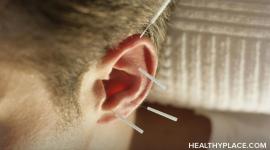
Effective Treatment of Chronic Pain and Insomnia

An NIH panel finds that behavioral therapy and relaxation techniques are effective for treatment of chronic pain, but questionable for treatment of insomnia.
Integration of Behavioral and Relaxation Approaches Into the Treatment of Chronic Pain and Insomnia
National Institutes of Health Technology Assessment Conference Statement October 16-18, 1995
NIH Consensus statements and State-of-the-Science statements (formerly known as technology assessment statements) are prepared by a nonadvocate, non-Department of Health and Human Services (DHHS) panels, based on (1) presentations by investigators working in areas relevant to the consensus questions during a 2-day public session; (2) questions and statements from conference attendees during open discussion periods that are part of the public session; and (3) closed deliberations by the panel during the remainder of the second day and morning of the third. This statement is an independent report of the panel and is not a policy statement of the NIH or the Federal Government.The statement reflects the panel's assessment of medical knowledge available at the time the statement was written. Thus, it provides a "snapshot in time" of the state of knowledge on the conference topic. When reading the statement, keep in mind that new knowledge is inevitably accumulating through medical research.
This statement is published as: Integration of Behavioral and Relaxation Approaches into the Treatment of Chronic Pain and Insomnia. NIH Technol Assess Statement 1995 Oct 16-18:1-34
For making bibliographic reference to technology assessment conference statement no. 17 in electronic form displayed here, it is recommended that the following format be used: Integration of Behavioral and Relaxation Approaches into the Treatment of Chronic Pain and Insomnia. NIH Technol Statement Online 1995 Oct 16-18 [cited year month day], 1-34.
Abstract
Objective. To provide physicians with a responsible assessment of the integration of behavioral and relaxation approaches into the treatment of chronic pain and insomnia.
Participants. A non-Federal, nonadvocate, 12-member panel representing the fields of family medicine, social medicine, psychiatry, psychology, public health, nursing, and epidemiology. In addition, 23 experts in behavioral medicine, pain medicine, sleep medicine, psychiatry, nursing, psychology, neurology, and behavioral and neurosciences presented data to the panel and a conference audience of 528.
Evidence. The literature was searched through Medline and an extensive bibliography of references was provided to the panel and the conference audience. Experts prepared abstracts with relevant citations from the literature. Scientific evidence was given precedence over clinical anecdotal experience.
Assessment Process. The panel, answering predefined questions, developed their conclusions based on the scientific evidence presented in open forum and the scientific literature. The panel composed a draft statement that was read in its entirety and circulated to the experts and the audience for comment. Thereafter, the panel resolved conflicting recommendations and released a revised statement at the end of the conference. The panel finalized the revisions within a few weeks after the conference.
Conclusions. A number of well-defined behavioral and relaxation interventions now exist and are effective in the treatment of chronic pain and insomnia. The panel found strong evidence for the use of relaxation techniques in reducing chronic pain in a variety of medical conditions as well as strong evidence for the use of hypnosis in alleviating pain associated with cancer. The evidence was moderate for the effectiveness of cognitive-behavioral techniques and biofeedback in relieving chronic pain. Regarding insomnia, behavioral techniques, particularly relaxation and biofeedback, produce improvements in some aspects of sleep, but it is questionable whether the magnitude of the improvement in sleep onset and total sleep time is clinically significant.
Introduction
Chronic pain and insomnia afflict millions of Americans. Despite the acknowledged importance of psychosocial and behavioral factors in these disorders, treatment strategies have tended to focus on biomedical interventions such as drugs and surgery. The purpose of this conference was to examine the usefulness of integrating behavioral and relaxation approaches with biomedical interventions in clinical and research settings to improve the care of patients with chronic pain and insomnia.
Assessments of more consistent and effective integration of these approaches required the development of precise definitions of the most frequently used techniques, which include relaxation, meditation, hypnosis, biofeedback (BF), and cognitive-behavioral therapy (CBT). It was also necessary to examine how these approaches have been previously used with medical therapies in the treatment of chronic pain and insomnia and to evaluate the efficacy of such integration to date.
To address these issues, the Office of Alternative Medicine and the Office of Medical Applications of Research, National Institutes of Health, convened a Technology Assessment Conference on Integration of Behavioral and Relaxation Approaches into the Treatment of Chronic Pain and Insomnia. The conference was cosponsored by the National Institute of Mental Health, the National Institute of Dental Research, the National Heart, Lung, and Blood Institute, the National Institute on Aging, the National Cancer Institute, the National Institute of Nursing Research, the National Institute of Neurological Disorders and Stroke, and the National Institute of Arthritis and Musculoskeletal and Skin Diseases.
This technology assessment conference (1) reviewed data on the relative merits of specific behavioral and relaxation interventions and identified biophysical and psychological factors that might predict the outcome of applying these techniques and (2) examined the mechanisms by which behavioral and relaxation approaches could lead to greater clinical efficacy.
The conference brought together experts in behavioral medicine, pain medicine, sleep medicine, psychiatry, nursing, psychology, neurology, behavioral science, and neuroscience as well as representatives from the public. After 1-1/2 days of presentations and audience discussion, an independent, non- Federal panel weighed the scientific evidence and developed a draft statement that addressed the following five questions:
- What behavioral and relaxation approaches are used for conditions such as chronic pain and insomnia?
- How successful are these approaches?
- How do these approaches work?
- Are there barriers to the appropriate integration of these approaches into health care?
- What are the significant issues for future research and applications?
The suffering and disability from these disorders result in a heavy burden for individual patients, their families, and their communities. There is also a burden to the Nation in terms of billions of dollars lost as a consequence of functional impairment. To date, conventional medical and surgical approaches have failed&emdash;at considerable expense&emdash;to adequately address these problems. It is hoped that this Consensus Statement, which is based on rigorous examination of current knowledge and practice and makes recommendations for research and application, will help reduce suffering and improve the functional capacity of affected individuals.
What Behavioral and Relaxation Approaches Are Used for Conditions Such as Chronic Pain and Insomnia?
Pain
Pain is defined by the International Association for the Study of Pain as an unpleasant sensory experience associated with actual or potential tissue damage or described in terms of such damage. It is a complex, subjective, perceptual phenomenon with a number of contributing factors that are uniquely experienced by each individual. Pain is typically classified as acute, cancer- related, and chronic nonmalignant. Acute pain is associated with a noxious event. Its severity is generally proportional to the degree of tissue injury and is expected to diminish with healing and time. Chronic nonmalignant pain frequently develops following an injury but persists long after a reasonable period of healing. Its underlying causes are often not readily discernible, and the pain is disproportionate to demonstrable tissue damage. It is frequently accompanied by alteration of sleep; mood; and sexual, vocational, and avocational function.
Insomnia
Insomnia may be defined as a disturbance or perceived disturbance of the usual sleep pattern of the individual that has troublesome consequences. These consequences may include daytime fatigue and drowsiness, irritability, anxiety, depression, and somatic complaints. Categories of disturbed sleep are (1) inability to fall asleep, (2) inability to maintain sleep, and (3) early awakening.
Selection Criteria
A variety of behavioral and relaxation approaches are used for conditions such as chronic pain and insomnia. The specific approaches that were addressed in this Technology Assessment Conference were selected using three important criteria. First, somatically directed therapies with behavioral components (e.g., physical therapy, occupational therapy, acupuncture) were not considered. Second, the approaches were drawn from those reported in the scientific literature. Many commonly used behavioral approaches are not specifically incorporated into conventional medical care. For example, religious and spiritual approaches, which are the most commonly used health-related actions by the U.S. population, were not considered in this conference. Third, the approaches are a subset of those discussed in the literature and represent those selected by the conference organizers as most commonly used in clinical settings in the United States. Several commonly used clinical interventions such as music, dance, recreational, and art therapies were not addressed.
Relaxation Techniques
Relaxation techniques are a group of behavioral therapeutic approaches that differ widely in their philosophical bases as well as in their methodologies and techniques. Their primary objective is the achievement of nondirected relaxation, rather than direct achievement of a specific therapeutic goal. They all share two basic components: (1) repetitive focus on a word, sound, prayer, phrase, body sensation, or muscular activity and (2) the adoption of a passive attitude toward intruding thoughts and a return to the focus. These techniques induce a common set of physiologic changes that result in decreased metabolic activity. Relaxation techniques may also be used in stress management (as self-regulatory techniques) and have been divided into deep and brief methods.
Deep Methods
Deep methods include autogenic training, meditation, and progressive muscle relaxation (PMR). Autogenic training consists of imagining a peaceful environment and comforting bodily sensations. Six basic focusing techniques are used: heaviness in the limbs, warmth in the limbs, cardiac regulation, centering on breathing, warmth in the upper abdomen, and coolness in the forehead. Meditation is a self-directed practice for relaxing the body and calming the mind. A large variety of meditation techniques are in common use; each has its own proponents. Meditation generally does not involve suggestion, autosuggestion, or trance.The goal of mindfulness meditation is development of a nonjudgmental awareness of bodily sensations and mental activities occurring in the present moment. Concentration meditation trains the person to passively attend to a bodily process, a word, and/or a stimulus. Transcendental meditation focuses on a "suitable" sound or thought (the mantra) without attempting to actually concentrate on the sound or thought. There are also many movement meditations, such as yoga and the walking meditation of Zen Buddhism. PMR focuses on reducing muscle tone in major muscle groups. Each of 15 major muscle groups is tensed and then relaxed in sequence.
Brief Methods
The brief methods, which include self-control relaxation, paced respiration, and deep breathing, generally require less time to acquire or practice and often represent abbreviated forms of a corresponding deep method. For example, self-control relaxation is an abbreviated form of PMR. Autogenic training may be abbreviated and converted to a self-control format. Paced respiration teaches patients to maintain slow breathing when anxiety threatens. Deep breathing involves taking several deep breaths, holding them for 5 seconds, and then exhaling slowly.
Hypnotic Techniques
Hypnotic techniques induce states of selective attentional focusing or diffusion combined with enhanced imagery. They are often used to induce relaxation and also may be a part of CBT. The techniques have pre- and postsuggestion components. The presuggestion component involves attentional focusing through the use of imagery, distraction, or relaxation, and has features that are similar to other relaxation techniques. Subjects focus on relaxation and passively disregard intrusive thoughts. The suggestion phase is characterized by introduction of specific goals; for example, analgesia may be specifically suggested. The postsuggestion component involves continued use of the new behavior following termination of hypnosis. Individuals vary widely in their hypnotic susceptibility and suggestibility, although the reasons for these differences are incompletely understood.
Biofeedback Techniques
BF techniques are treatment methods that use monitoring instruments of various degrees of sophistication. BF techniques provide patients with physiologic information that allows them to reliably influence psychophysiological responses of two kinds: (1) responses not ordinarily under voluntary control and (2) responses that ordinarily are easily regulated, but for which regulation has broken down. Technologies that are commonly used include electromyography (EMG BF), electroencephalography, thermometers (thermal BF), and galvanometry (electrodermal-BF). BF techniques often induce physiological responses similar to those of other relaxation techniques.
Cognitive-Behavioral Therapy
CBT attempts to alter patterns of negative thoughts and dysfunctional attitudes in order to foster more healthy and adaptive thoughts, emotions, and actions. These interventions share four basic components: education, skills acquisition, cognitive and behavioral rehearsal, and generalization and maintenance. Relaxation techniques are frequently included as a behavioral component in CBT programs. The specific programs used to implement the four components can vary considerably. Each of the aforementioned therapeutic modalities may be practiced individually, or they may be combined as part of multimodal approaches to manage chronic pain or insomnia.
Relaxation and Behavioral Techniques for Insomnia
Relaxation and behavioral techniques corresponding to those used for chronic pain may also be used for specific types of insomnia. Cognitive relaxation, various forms of BF, and PMR may all be used to treat insomnia. In addition, the following behavioral approaches are generally used to manage insomnia:
-
Sleep hygiene, which involves educating patients about behaviors that may interfere with the sleep process, with the hope that education about maladaptive behaviors will lead to behavioral modification.
-
Stimulus control therapy, which seeks to create and protect conditioned association between the bedroom and sleep. Activities in the bedroom are restricted to sleep and sex.
-
Sleep restriction therapy, in which patients provide a sleep log and are then asked to stay in bed only as long as they think they are currently sleeping. This usually leads to sleep deprivation and consolidation, which may be followed by a gradual increase in the length of time in bed.
-
Paradoxical intention, in which the patient is instructed not to fall asleep, with the expectation that efforts to avoid sleep will in fact induce it.
How Successful Are These Approaches?
Pain
A plethora of studies using a range of behavioral and relaxation approaches to treat chronic pain is reported in the literature. The measures of success reported in these studies depend on the rigor of the research design, the population studied, the length of followup, and the outcome measures identified. As the number of well-designed studies using a variety of behavioral and relaxation techniques grows, the use of meta-analysis as a means of demonstrating overall effectiveness will increase.
One carefully analyzed review of studies on chronic pain, including cancer pain, was prepared under the auspices of the U.S. Agency for Health Care Policy and Research (AHCPR) in 1990. A great strength of the report was the careful categorization of the evidential basis of each intervention. The categorization was based on design of the studies and consistency of findings among the studies. These properties led to the development of a 4-point scale that ranked the evidence as strong, moderate, fair, or weak; this scale was used by the panel to evaluate the AHCPR studies.
Evaluation of behavioral and relaxation interventions for chronic pain reduction in adults found the following:
-
Relaxation: The evidence is strong for the effectiveness of this class of techniques in reducing chronic pain in a variety of medical conditions.
-
Hypnosis: The evidence supporting the effectiveness of hypnosis in alleviating chronic pain associated with cancer seems strong. In addition, the panel was presented with other data suggesting the effectiveness of hypnosis in other chronic pain conditions, which include irritable bowel syndrome, oral mucositis, temporomandibular disorders, and tension headaches.
-
CBT: The evidence was moderate for the usefulness of CBT in chronic pain. In addition, a series of eight well-designed studies found CBT superior to placebo and to routine care for alleviating low back pain and both rheumatoid arthritis and osteoarthritis-associated pain, but inferior to hypnosis for oral mucositis and to EMG BF for tension headache.
-
BF: The evidence is moderate for the effectiveness of BF in relieving many types of chronic pain. Data were also reviewed showing EMG BF to be more effective than psychological placebo for tension headache but equivalent in results to relaxation. For migraine headache, BF is better than relaxation therapy and better than no treatment, but superiority to psychological placebo is less clear.
-
Multimodal Treatment: Several meta-analyses examined the effectiveness of multimodal treatments in clinical settings. The results of these studies indicate a consistent positive effect of these programs on several categories of regional pain. Back and neck pain, dental or facial pain, joint pain, and migraine headaches have all been treated effectively.
Although relatively good evidence exists for the efficacy of several behavioral and relaxation interventions in the treatment of chronic pain, the data are insufficient to conclude that one technique is usually more effective than another for a given condition. For any given individual patient, however, one approach may indeed be more appropriate than another.
Insomnia
Behavioral treatments produce improvements in some aspects of sleep, the most pronounced of which are for sleep latency and time awake after sleep onset. Relaxation and BF were both found to be effective in alleviating insomnia. Cognitive forms of relaxation such as meditation were slightly better than somatic forms of relaxation such as PMR. Sleep restriction, stimulus control, and multimodal treatment were the three most effective treatments in reducing insomnia. No data were presented or reviewed on the effectiveness of CBT or hypnosis. Improvements seen at treatment completion were maintained at followups averaging 6 months in duration. Although these effects are statistically significant, it is questionable whether the magnitude of the improvements in sleep onset and total sleep time are clinically meaningful. It is possible that a patient-by- patient analysis might show that the effects were clinically valuable for a special set of patients, as some studies suggest that patients who are readily hypnotized benefited much more from certain treatments than other patients did. No data were available on the effects of these improvements on patient self- assessment of quality of life.
To adequately evaluate the relative success of different treatment modalities for insomnia, two major issues need to be addressed. First, valid objective measures of insomnia are needed. Some investigators rely on self-reports by patients, whereas others believe that insomnia must be documented electrophysiologically. Second, what constitutes a therapeutic outcome should be determined. Some investigators use time until sleep onset, number of awakenings, and total sleep time as outcome measures, whereas others believe that impairment in daytime functioning is perhaps another important outcome measure. Both of these issues require resolution so that research in the field can move forward.
Critique
Several cautions must be considered threats to the internal and external validity of the study results. The following problems pertain to internal validity: (1) full and adequate comparability among treatment contrast groups may be absent; (2) the sample sizes are sometimes small, lessening the ability to detect differences in efficacy; (3) complete blinding, which would be ideal, is compromised by patient and clinician awareness of the treatment; (4) the treatments may not be well described, and adequate procedures for standardization such as therapy manuals, therapist training, and reliable competency and integrity assessments have not always been carried out; and (5) a potential publication bias, in which authors exclude studies with small effects and negative results, is of concern in a field characterized by studies with small numbers of patients.
With regard to the ability to generalize the findings of these investigations, the following considerations are important:
-
The patients participating in these studies are usually not cognitively impaired. They must be capable not only of participating in the study treatments but also of fulfilling all the requirements of participating in the study protocol.
-
The therapists must be adequately trained to competently conduct the therapy.
-
The cultural context in which the treatment is conducted may alter its acceptability and effectiveness.
In summary, this literature offers substantial promise and suggests a need for prompt translation into programs of health care delivery. At the same time, the state of the art of the methodology in the field of behavioral and relaxation interventions indicates a need for thoughtful interpretation of these findings. It should be noted that similar criticisms can be made of many conventional medical procedures.
How Do These Approaches Work?
The mechanism of action of behavioral and relaxation approaches can be considered at two levels: (1) determining how the procedure works to reduce cognitive and physiological arousal and to promote the most appropriate behavioral response and (2) identifying effects at more basic levels of functional anatomy, neurotransmitter and other biochemical activity, and circadian rhythms. The exact biological actions are generally unknown.
Pain
There appear to be two pain transmission circuits. Some data suggest that a spinal cord-thalamic-frontal cortex-anterior cingulate pathway plays a role in the subjective psychological and physiological responses to pain, whereas a spinal cord- thalamic-somatosensory cortex pathway plays a role in pain sensation. A descending pathway involving the periaqueductal gray region modulates pain signals (pain modulation circuit). This system can augment or inhibit pain transmission at the level of the dorsal spinal cord. Endogenous opioids are particularly concentrated in this pathway. At the level of the spinal cord, serotonin and norepinephrine appear to play important roles.
Relaxation techniques as a group generally alter sympathetic activity as indicated by decreases in oxygen consumption, respiratory and heart rate, and blood pressure. Increased electroencephalographic slow wave activity has also been reported. Although the mechanism for the decrease in sympathetic activity is unclear, one may infer that decreased arousal (due to alterations in catecholamines or other neurochemical systems) plays a key role.
Hypnosis, in part because of its capacity for evoking intense relaxation, has been reported to reduce several types of pain (e.g., lower back and burn pain). Hypnosis does not appear to influence endorphin production, and its role in the production of catecholamines is not known.
Hypnosis has been hypothesized to block pain from entering consciousness by activating the frontal-limbic attention system to inhibit pain impulse transmission from thalamic to cortical structures. Similarly, other CBT may decrease transmission through this pathway. Moreover, the overlap in brain regions involved in pain modulation and anxiety suggests a possible role for CBT approaches affecting this area of function, although data are still evolving.
CBT also appears to exert a number of other effects that could alter pain intensity. Depression and anxiety increase subjective complaints of pain, and cognitive-behavioral approaches are well documented for decreasing these affective states. In addition, these types of techniques may alter expectation, which also plays a key role in subjective experiences of pain intensity. They also may augment analgesic responses through behavioral conditioning. Finally, these techniques help patients enhance their sense of self control over their illness enabling them to be less helpless and better able to deal with pain sensations.
Insomnia
A cognitive-behavioral model for insomnia elucidates the interaction of insomnia with emotional, cognitive, and physiologic arousal; dysfunctional conditions, such as worry over sleep; maladaptive habits (e.g., excessive time in bed and daytime napping); and the consequences of insomnia (e.g., fatigue and impairment in performance of activities).
In the treatment of insomnia, relaxation techniques have been used to reduce cognitive and physiological arousal and thus assist the induction of sleep as well as decrease awakenings during sleep.
Relaxation is also likely to influence decreased activity in the entire sympathetic system, permitting a more rapid and effective "deafferentation" at sleep onset at the level of the thalamus. Relaxation may also enhance parasympathetic activity, which in turn will further decrease autonomic tone. In addition, it has been suggested that alterations in cytokine activity (immune system) may play a role in insomnia or in response to treatment.
Cognitive approaches may decrease arousal and dysfunctional beliefs and thus improve sleep. Behavioral techniques including sleep restriction and stimulus control can be helpful in reducing physiologic arousal, reversing poor sleep habits, and shifting circadian rhythms. These effects appear to involve both cortical structures and deep nuclei (e.g., locus ceruleus and suprachiasmatic nucleus).
Knowing the mechanisms of action would reinforce and expand use of behavioral and relaxation techniques, but incorporation of these approaches into the treatment of chronic pain and insomnia can proceed on the basis of clinical efficacy, as has occurred with adoption of other practices and products before their mode of action was completely delineated.
Are There Barriers To the Appropriate Integration of These Approaches Into Health Care?
One barrier to the integration of behavioral and relaxation techniques in standard medical care has been the emphasis solely on the biomedical model as the basis of medical education. The biomedical model defines disease in anatomic and pathophysiologic terms. Expansion to a biopsychosocial model would increase emphasis on a patient's experience of disease and balance the anatomic/physiologic needs of patients with their psychosocial needs.
For example, of six factors identified to correlate with treatment failures of low back pain, all are psychosocial. Integration of behavioral and relaxation therapies with conventional medical procedures is necessary for the successful treatment of such conditions. Similarly, the importance of a comprehensive evaluation of a patient is emphasized in the field of insomnia where failure to identify a condition such as sleep apnea will result in inappropriate application of a behavioral therapy. Therapy should be matched to the illness and to the patient.
Integration of psychosocial issues with conventional medical approaches will necessitate the application of new methodologies to assess the success or failure of the interventions. Therefore, additional barriers to integration include lack of standardization of outcome measures, lack of standardization or agreement on what constitutes successful outcome, and lack of consensus on what constitutes appropriate followup. Methodologies appropriate for the evaluation of drugs may not be adequate for the evaluation of some psychosocial interventions, especially those involving patient experience and quality of life. Psychosocial research studies must maintain the high quality of those methods that have been painstakingly developed over the last few decades. Agreement needs to be reached for standards governing the demonstration of efficacy for psychosocial interventions.
Psychosocial interventions are often time intensive, creating potential blocks to provider and patient acceptance and compliance. Participation in BF training typically includes up to 10-12 sessions of approximately 45 minutes to 1 hour each. In addition, home practice of these techniques is usually required. Thus, patient compliance and both patient and provider willingness to participate in these therapies will have to be addressed. Physicians will have to be educated on the efficacy of these techniques. They must also be willing to educate their patients about the importance and potential benefits of these interventions and to provide encouragement for the patient through the training processes.
Insurance companies provide either a financial incentive or barrier to access of care depending on their willingness to provide reimbursement. Insurance companies have traditionally been reluctant to reimburse for some psychosocial interventions and reimburse others at rates below those for standard medical care. Psychosocial interventions for pain and insomnia should be reimbursed as part of comprehensive medical services at rates comparable to those for other medical care, particularly in view of data supporting their effectiveness and data detailing the costs of failed medical and surgical interventions.
The evidence suggests that sleep disorders are significantly underdiagnosed. The prevalence and possible consequences of insomnia have begun to be documented. There are substantial disparities between patient reports of insomnia and the number of insomnia diagnoses, as well as between the number of prescriptions written for sleep medications and the number of recorded diagnoses of insomnia. Data indicate that insomnia is widespread, but the morbidity and mortality of this condition are not well understood. Without this information, it remains difficult for physicians to gauge how aggressive their intervention should be in the treatment of this disorder. In addition, the efficacy of the behavioral approaches for treating this condition has not been adequately disseminated to the medical community.
Finally, who should be administering these therapies? Problems with credentialing and training have yet to be completely addressed in the field. Although the initial studies have been done by qualified and highly trained practitioners, the question remains as to how this will best translate into delivery of care in the community. Decisions will have to be made about which practitioners are best qualified and most cost-effective to provide these psychosocial interventions.
What Are the Significant Issues for Future Research and Applications?
Research efforts on these therapies should include additional efficacy and effectiveness studies, cost-effectiveness studies, and efforts to replicate existing studies. Several specific issues should be addressed:
Outcomes
-
Outcome measures should be reliable, valid, and standardized for behavioral and relaxation interventions research in each area (chronic pain, insomnia) so that studies can be compared and combined.
-
Qualitative research is needed to help determine patients' experiences with both insomnia and chronic pain and the impact of treatments.
-
Future research should include examination of consequences/outcomes of untreated chronic pain and insomnia; chronic pain and insomnia treated pharmacologically versus with behavioral and relaxation therapies; and combinations of pharmacologic and psychosocial treatments for chronic pain and insomnia.
Mechanism(s) of Action
- Advances in the neurobiological sciences and psychoneuroimmunology are providing an improved scientific base for understanding mechanisms of action of behavioral and relaxation techniques and need to be further investigated.
Covariates
-
Chronic pain and insomnia, as well as behavioral and relaxation therapies, involve factors such as values, beliefs, expectations, and behaviors, all of which are strongly shaped by one's culture.
-
Research is needed to assess cross-cultural applicability, efficacy, and modifications of psychosocial therapeutic modalities. Research studies that examine the effectiveness of behavioral and relaxation approaches to insomnia and chronic pain should consider the influence of age, race, gender, religious belief, and socioeconomic status on treatment effectiveness.
Health Services
-
The most effective timing of the introduction of behavioral interventions into the course of treatment should be studied.
-
Research is needed to optimize the match between specific behavioral and relaxation techniques and specific patient groups and treatment settings.
Integration Into Clinical Care and Medical Education
- New and innovative methods of introducing psychosocial treatments into health care curricula and practice should be implemented.
Conclusions
A number of well-defined behavioral and relaxation interventions are now available, some of which are commonly used to treat chronic pain and insomnia. Available data support the effectiveness of these interventions in relieving chronic pain and in achieving some reduction in insomnia. Data are currently insufficient to conclude with confidence that one technique is more effective than another for a given condition. For any given individual patient, however, one approach may indeed be more appropriate than another.
Behavioral and relaxation interventions clearly reduce arousal, and hypnosis reduces pain perception. However, the exact biological underpinnings of these effects require further study, as is often the case with medical therapies. The literature demonstrates treatment effectiveness, although the state of the art of the methodologies in this field indicates a need for thoughtful interpretation of the findings along with prompt translation into programs of health care delivery.
Although specific structural, bureaucratic, financial, and attitudinal barriers exist to the integration of these techniques, all are potentially surmountable with education and additional research, as patients shift from being passive participants in their treatment to becoming responsible, active partners in their rehabilitation.
Technology Assessment Panel
| Julius Richmond, M.D. Conference and Panel Chairperson The John D. MacArthur Professor of Health Policy Emeritus Department of Social Medicine Harvard Medical School Boston, Massachusetts | Brian M. Berman, M.D. Director Division of Complementary Medicine Department of Family Medicine University of Maryland School of Medicine Baltimore, Maryland |
| John P. Docherty, M.D. Vice Chairman Department of Psychiatry Cornell University Medical College Associate Medical Director New York Hospital/Cornell University White Plains, New York | Larry B. Goldstein, M.D. Associate Professor of Medicine Division of Neurology Department of Medicine Assistant Research Professor Center for Health Policy Research and Education Duke University Medical Center Durham VA Medical Center Durham, North Carolina |
| Gary Kaplan, D.O. Clinical Faculty Department of Family and Community Medicine Georgetown University School of Medicine Family Practice Associates of Arlington Arlington, Virginia | Julian E. Keil, Dr.P.H., F.A.C.C. Professor of Epidemiology, Emeritus Department of Biostatistics, Epidemiology, and Systems Science Medical University of South Carolina Charleston, South Carolina |
| Stanley Krippner, Ph.D. Professor of Psychology Saybrook Institute Graduate School and Research Center San Francisco, California | Sheila Lyne, R.S.M., M.B.A., M.S. Commissioner Chicago Department of Public Health DePaul Center Chicago, Illinois |
| Frederick Mosteller, Ph.D. Professor of Mathematical Statistics, Emeritus Departments of Statistics and Health Policy and Management Harvard University Cambridge, Massachusetts | Bonnie B. O'Connor, Ph.D. Assistant Professor Department of Community and Preventive Medicine Medical College of Pennsylvania and Hahnemann University School of Medicine Philadelphia, Pennsylvania |
| Ellen B. Rudy, Ph.D., R.N., F.A.A.N. Dean School of Nursing University of Pittsburgh Pittsburgh, Pennsylvania | Alan F. Schatzberg, M.D. Professor and Chairman Department of Psychiatry Stanford University School of Medicine Stanford, California |
Speakers
| Herbert Benson, M.D. "The Common Physiological Events That Occur When Behavioral and Relaxation Approaches Are Practiced by Patients" Chief, Division of Behavioral Medicine Deaconess Hospital Associate Professor of Medicine Mind/Body Medical Institute Boston, Massachusetts | Edward B. Blanchard, Ph.D. "Biofeedback and its Role in the Treatment of Pain" Distinguished Professor of Psychology Center for Stress and Anxiety Disorders Department of Psychology University of Albany State University of New York Albany, New York |
| Laurence A. Bradley, Ph.D. "Cognitive Intervention Strategies for Chronic Pain: Assumptions Underlying Cognitive Therapy" Professor of Medicine Department of Medicine Division of Clinical Immunology and Rheumatology University of Alabama at Birmingham School of Medicine Birmingham, Alabama | Daniel J. Buysse, M.D. "Potential Mechanisms of Action of Behavioral and Relaxation Treatments in Insomnia" Associate Professor of Psychiatry Department of Psychiatry Western Psychiatric Institute and Clinic University of Pittsburgh Medical Center Pittsburgh, Pennsylvania |
| Helen J. Crawford, Ph.D. "Use of Hypnotic Techniques in the Control of Pain: Neuropsychophysiological Foundation and Evidence" Department of Psychology College of Arts and Sciences Virginia Polytechnic Institute and State University Blacksburg, Virginia | William C. Dement, M.D., Ph.D. "The Insomnia Problem: Definitions and Scope" Lowell W. and Josephine Q. Berry Professor of Psychiatry and Sleep Medicine Department of Psychiatry and Behavioral Sciences Director, Sleep Research Center Stanford University School of Medicine Palo Alto, California |
| Howard L. Fields, M.D., Ph.D. "Brain Systems for Pain Modulation: Understanding the Neurobiology of the Therapeutic Process" Professor of Neurology and Physiology Department of Neurology School of Medicine University of California, San Francisco San Francisco, California | David A. Fishbain, M.Sc., M.D., F.A.P.A. "Chronic Pain Treatment Meta-Analyses: A Mathematical and Qualitative Review and Patient-Specific Predictors of Response" Professor of Psychiatry and Neurological Surgery University of Miami School of Medicine and the University of Miami Comprehensive Pain Center Miami Beach, Florida |
| Richard Friedman, Ph.D. "Conference Background" Professor of Psychiatry and Behavioral Science Department of Psychiatry State University of New York at Stony Brook Stony Brook, New York | Rollin M. Gallagher, M.D. "The Comprehensive Pain Clinic: A Biobehavioral Approach to Pain Management and Rehabilitation" Associate Professor of Psychiatry and Family Medicine Director The Comprehensive Pain and Rehabilitation Center State University of New York at Stony Brook Stony Brook, New York |
| J. David Haddox, D.D.S., M.D. "Overview of Pain" Assistant Professor Anesthesiology and Psychiatry Emory University School of Medicine Atlanta, Georgia | Kristyna M. Hartse, Ph.D. "Intervention and Patient-Specific Response Rates" Director Sleep Disorders Center Associate Professor Department of Psychiatry and Human Behavior St. Louis University Health Sciences Center School of Medicine St. Louis, Missouri |
| Peter J. Hauri, Ph.D. "Behavioral Treatment of Insomnia" Professor of Psychology Mayo Medical School Director, Insomnia Program Department of Psychology Sleep Disorders Center The Mayo Clinic Rochester, Minnesota | Eileen C. Helzner, M.D. "Clinical Integration With Pharmacologic Treatments" Director, Clinical Development McNeil Consumer Products Company Johnson & Johnson Ft. Washington, Pennsylvania |
| Ada Jacox, R.N., Ph.D. "Outcomes Research on Integration: Lessons From Cancer and Acute Pain" Professor and Independence Foundation Chair in Health Policy School of Nursing Johns Hopkins University Baltimore, Maryland | Jeffrey M. Jonas, M.D. "Clinical Integration With Pharmacologic Treatments" Vice President of Clinical Development The Upjohn Company Kalamazoo, Michigan |
| Francis J. Keefe, Ph.D. "Intervention-Specific Response Rates" Professor of Medical Psychology Pain Management Program Department of Psychiatry and Behavioral Sciences Duke University Medical Center Durham, North Carolina | Kenneth L. Lichstein, Ph.D. "Defining Relaxation Approaches as They Relate to Biomedicine" Professor of Psychology Department of Psychology The University of Memphis Memphis, Tennessee |
| John D. Loeser, M.D. "Integration of Behavioral and Relaxation Approaches With Surgery in the Treatment of Chronic Pain: A Clinical Perspective" Professor of Neurological Surgery and Anesthesia Director, Multidisciplinary Pain Center University of Washington School of Medicine Seattle, Washington | Wallace B. Mendelson, M.D. "Integrating Pharmacologic and Nonpharmacologic Treatment of Insomnia" Director Sleep Disorders Center Section of Epilepsy and Sleep Disorders Department of Neurology The Cleveland Clinic Foundation Professor of Psychiatry Ohio State University Cleveland, Ohio |
| David Orme-Johnson, Ph.D. "Meditation in the Treatment of Chronic Pain and Insomnia" Director of Research Chair, Department of Psychology Maharishi International University Fairfield, Iowa | Thomas Roth, Ph.D. "Assessment and Methodological Problems in the Evaluation of Insomnia Treatment" Chief Division of Sleep Medicine Director Sleep Disorders and Research Center Department of Psychiatry Henry Ford Hospital Detroit, Michigan |
| Dennis C. Turk, Ph.D. "Assessing People Reporting Pain Not Just the Pain" Professor of Psychiatry Anesthesiology, and Behavioral Science Director Pain Evaluation and Treatment Institute University of Pittsburgh School of Medicine Pittsburgh, Pennsylvania |
Planning Committee
continue story below
| Richard Friedman, Ph.D. Chairperson Professor Psychiatry and Behavioral Science Department of Psychiatry State University of New York at Stony Brook Stony Brook, New York | Fred Altman, Ph.D. Acting Chief Basic Prevention and Behavioral Medicine Research Branch Division of Epidemiology and Services Research National Institute of Mental Health National Institutes of Health Bethesda, Maryland |
| Herbert Benson, M.D. Chief Division of Behavioral Medicine Deaconess Hospital Associate Professor of Medicine Mind/Body Medical Institute Boston, Massachusetts | Jerry M. Elliott Program Analyst Office of Medical Applications of Research National Institutes of Health Bethesda, Maryland |
| John H. Ferguson, M.D. Director Office of Medical Applications of Research National Institutes of Health Bethesda, Maryland | Richard Gracely, Ph.D. Research Psychologist Neuropathic and Pain Measurement Section Neurobiology and Anesthesiology Branch National Institute of Dental Research National Institutes of Health Bethesda, Maryland |
| Anita Greene, M.A. Public Affairs Officer Office of Alternative Medicine National Institutes of Health Bethesda, Maryland | J. David Haddox, D.D.S., M.D. Assistant Professor Anesthesiology and Psychiatry Emory University School of Medicine Atlanta, Georgia |
| William H. Hall Director of Communications Office of Medical Applications of Research National Institutes of Health Bethesda, Maryland | Peter J. Hauri, Ph.D. Professor of Psychology Mayo Medical School Director Insomnia Program Department of Psychology Sleep Disorders Center The Mayo Clinic Rochester, Minnesota |
| Peter G. Kaufmann, Ph.D. Group Leader Behavioral Medicine Scientific Research Group National Heart, Lung, and Blood Institute National Institutes of Health Bethesda, Maryland | James P. Kiley, Ph.D. Director National Center on Sleep Disorders Research National Heart, Lung, and Blood Institute National Institutes of Health Bethesda, Maryland |
| Mary D. Leveck, Ph.D., R.N. Health Scientist Administrator Division of Extramural Programs National Institute of Nursing Research National Institutes of Health Bethesda, Maryland | Charlotte B. McCutchen, M.D. Medical Officer Epilepsy Branch Division of Convulsive, Developmental, and Neuromuscular Disorders National Institute of Neurological Disorders and Stroke National Institutes of Health Bethesda, Maryland |
| Andrew A. Monjan, Ph.D., M.P.H. Chief Neurobiology of Aging Program Neuroscience and Neuropsychology of Aging Program National Institute on Aging National Institutes of Health Bethesda, Maryland | Stanley R. Pillemer, M.D. Medical Officer Office of Prevention, Epidemiology, and Clinical Applications National Institute of Arthritis and Musculoskeletal and Skin Diseases National Institutes of Health Bethesda, Maryland |
| Julius Richmond, M.D. Conference and Panel Chairperson The John D. MacArthur Professor of Health Policy Emeritus Department of Social Medicine Harvard Medical School Boston, Massachusetts | Charles Sherman, Ph.D. Deputy Director Office of Medical Applications of Research National Institutes of Health Bethesda, Maryland |
| John Spencer, Ph.D. Program Analyst Office of Alternative Medicine National Institutes of Health Bethesda, Maryland | Claudette G. Varricchio, D.S.N., R.N. Program Director Community Oncology and Rehabilitation Branch Division of Cancer Prevention and Control National Cancer Institute National Institutes of Health Bethesda, Maryland |
| |
| Office of Medical Applications of Research, NIH John H. Ferguson, M.D. Director | Office of Alternative Medicine, NIH Wayne B. Jonas, M.D. Director |
| |
| National Institute of Mental Health Rex W. Cowdry, M.D. Acting Director | National Institute of Dental Research Harold C. Smavkin, D.D.S. Director |
| National Heart, Lung, and Blood Institute Claude Lenfant, M.D. Director | National Institute on Aging Richard J. Hodes, M.D. Director |
| National Cancer Institute Richard Klausner, M.D. Director | National Institute of Nursing Research Patricia A. Grady, R.N., Ph.D. Director |
| National Institute of Neurological Disorders and Stroke Zach W. Hall, Ph.D. Director | National Institute of Arthritis and Musculoskeletal and Skin Diseases Stephen I. Katz, M.D., Ph.D. Director |
next: Magnets To Treat Pain
Bibliography
The following references were provided by the speakers listed above and were neither reviewed nor approved by the panel.
Atkinson JH, Slater MA, Patterson TL, Grant I, Garfin SR.
Prevalence, onset, and risk of psychiatric disorders in men with chronic low back pain: a controlled study. Pain 1991; 45: 111-21.
Beary JF, Benson H.
A simple psychophysiologic technique which elicits the relaxation response. Psychosom Med 1974; 36: 115-20.
Benson H, Beary JF, Carol MP.
The relaxation response. Psychiatry 1974; 37: 37-46.
Benson HB.
The relaxation response. New York: William Morrow, 1975.
Berman BM, Singh BK, Lao L, Singh BB, Ferentz KS, Hartnoll SM.
Physicians' attitudes toward complementary or alternative medicine: a regional survey. JABP 1995; 8 (5): 361-6.
Blanchard EB, Appelbaum KA, Guarnieri P, Morrill B, Dentinger MP.
Five year prospective follow-up on the treatment of chronic headache with biofeedback and/or relaxation. Headache 1987; 27: 580-3.
Blanchard EB, Appelbaum KA, Radnitz CL, Morrill B, Michultka D, Kirsch C, Guarnieri P, Hillhouse J, Evans DD, Jaccard J, Barron KD.
A controlled evaluation of thermal biofeedback and thermal biofeedback combined with cognitive therapy in the treatment of vascular headache. J Consult Clin Psychol 1990; 58: 216-24.
Bogaards MC, ter Kuile MM. Treatment of recurrent tension headache: a meta-analytic review. Clin J Pain 1994; 10: 174-90.
Bonica JJ. General considerations of chronic pain in the management of pain (2nd ed.). In: Loeser JD, Chapman CR, Fordyce WE, eds. Philadelphia: Lea & Febiger, 1990. p. 180-2.
Borkovec TD.
Insomnia. J Consult Clin Psychol 1982; 50: 880-95.
Bradley LA, Young LD, Anderson KO, et al. Effects of psychological therapy on pain behavior of rheumatoid arthritis patients: treatment outcome and six-month followup. Arthritis Rheum 1987; 30: 1105-14.
Carr DB, Jacox AK, Chapman RC, et al. Acute pain management. Guideline Technical Report, No. 1. Rockville, MD: US Department of Health and Human Services, Public Health Service, Agency for Health Care Policy and Research. AHCPR Publication No. 95-0034. February 1995. p. 107-59.
Caudill M, Schnable R, Zuttermeister P, Benson H, Friedman R. Decreased clinic utilization by chronic pain patients: response to behavioral medicine intervention. Clin J Pain 1991; 7: 305-10.
Chapman CR, Cox GB. Anxiety, pain and depression surrounding elective surgery: a multivariate comparison of abdominal surgery patients with kidney donors and recipients. J Psychosom Res 1977; 21: 7-15.
Coleman R, Zarcone V, Redington D, Miles L, Dole K, Perkins W, Gamanian M, More B, Stringer J, Dement W. Sleep-wake disorders in a family practice clinic. Sleep Research 1980; 9: 192.
Crawford HJ. Brain dynamics and hypnosis: attentional and disattentional processes. Int J Clin Exp Hypn 1994; 42: 204-32.
Crawford HJ, Gruzelier JH. A midstream view of the neuropsychophysiology of hypnosis: recent research and future directions. In: Fromm E, Nash MR, eds. Contemporary hypnosis research. New York: Guilford, 1992. p. 227-66.
Crawford HJ, Gur RC, Skolnick B, Gur RE, Benson D. Effects of hypnosis on regional cerebral blood flow during ischemic pain with and without suggested hypnotic analgesia. Int J Psychophysiol 1993; 15: 181-95.
Cutler RB, Fishbain DA, Rosomoff HL, Abdel-Moty E, Khalil TM, Steele-Rosomoff R. Does nonsurgical pain center treatment of chronic pain return patients to work? Spine 1994; 19 (6): 643-52.
Daan S, Beersma DGM, Borbely A. The timing of human sleep: recovery process gated by a circadian pacemaker. Am J Physiol 1984; 246: R161-78.
Eisenberg DM, Kessler RC, Foster C, Norlock FE, Calkins DR, Delbanco TL. Unconventional medicine in the United States. Prevalence, costs and patterns of use. N Engl J Med 1993.
Eppley KR, Abrams AI, Shear J. Differential effects of relaxation techniques on trait anxiety: a meta-analysis. J Clin Psychol 1989; 45 (6): 957-74.
Fields HL, Basbaum AI. Central nervous system mechanisms of pain modulation. In: Wall PD, Melzack R, eds. Textbook of pain (3rd ed.). London: Churchill-Livingstone, 1994. p. 243-57.
Fields HL, Heinricher MM, Mason P. Neurotransmitters in nociceptive modulatory circuits. Annu Rev Neurosci 1991; 14: 219-45.
Fishbain DA, Rosomoff HL, Goldberg M, Cutler R, Abdel-Moty E, Khalil TM, Steele-Rosomoff R. The prediction of return to the workplace after multidisciplinary pain center treatment. Clin J Pain 1993; 9: 3-15.
Flor H, Birbaumer N. Comparison of the efficacy of electromyographic biofeedback, cognitive-behavioral therapy, and conservative medical interventions in the treatment of chronic musculoskeletal pain. J Consult Clin Psychol 1993; 61: 653-8.
Gallagher RM, Rauh V, Haugh L, Milhous R, Callas P, Langelier R, Frymoyer J. Determinants of return to work in low back pain. Pain 1989; 39 (1): 55-68.
Gallagher RM, Woznicki M. Low back pain rehabilitation. In: Stoudemire A, Fogel BS, eds. Medical psychiatric practice (Vol. 2). APA Press, 1993.
Guideline for the clinical evaluation of analgesic drugs. U.S. Department of Health and Human Services, Public Health Service (FDA) Docket No. 91D-0425, December 1992;1-26.
Hauri PJ, ed. Case studies in insomnia. York: Plenum Medical Books, 1991.
Heinrich RL, Cohen MJ, Naliboff BD, Collins GA, Bonebakker AD. Comparing physical and behavior therapy for chronic low back pain on physical abilities, psychological distress, and patients' perceptions. J Behav Med 1985; 8: 61-78.
Herron LD, Turner J. Patient selection for lumbar laminectomy and discectomy with a revised objective rating system. Clin Orthop 1985; 199: 145-52.
Hilgard ER, Hilgard JR. Hypnosis in the relief of pain (rev. ed.). New York: Brunner/Mazel, 1994.
Hoffman JW, Benson H, Arns PA, Stainbrook GL, Landberg L, Young JB, Gill A. Reduced sympathetic nervous system responsivity associated with the relaxation response. Science 1982; 215: 190-2.
Holroyd KA, Andrasik F, Noble J. Comparison of EMG biofeedback and a credible pseudotherapy in treating tension headache. J Behav Med 1980; 3: 29-39.
Jacobs G, Benson H, Friedman R. Home-based central nervous assessment of multifactor behavioral intervention for chronic sleep onset insomnia. Behav Ther 1993; 24: 159-74.
Jacobs G, Benson H, Friedman R. Topographic EEG mapping of relaxation response biofeedback and self regulation. In press.
Jacobs GD, Rosenberg PA, Friedman R, Matheson J, Peavy GM, Domar AD, Benson H. Multifactor behavioral treatment of chronic sleep-onset insomnia using stimulus control and the relaxation response. Behav Modif 1993; 17: 498-509.
Jacobson E. Progressive relaxation. Chicago: University of Chicago Press, 1929.
Jacox AK, Carr DB, Payne R, et al. Management of cancer pain. Clinical Practice Guideline, No. 9. Rockville, MD: US Department of Health and Human Services, Public Health Service, Agency for Health Care Policy and Research. AHCPR Publication No. 94-00592. March 1994.
Jones BE. Basic mechanisms of sleep-wake states. In: Kryger MH, Roth T, Dement WC, eds. Principles and practice of sleep medicine. Philadelphia: WB Saunders, 1994. p. 145-62.
Kabat-Zinn J, Lipworth L, Burney R. The clinical use of mindfulness-meditation for the self- regulation of chronic pain. J Behav Med 1985; 8 (2): 163-90.
Kaplan RM. Behavior as the central outcome in health care. Am Psychol 1990; 45: 1211-20.
Keefe FJ, Caldwell DS, Williams DA, Gil KM, Mitchell D, Robertson D, Roberston C, Martinez S, Nunley J, Beckham JC, Helms M. Pain coping skills training in the management of osteoarthritic knee pain: a comparative study. Behav Ther 1990; 21: 49-62.
LeBars D, Calvino B, Villanueva L, Cadden S. Physiological approaches to counter-irritation phenomena. In: Trickelbank MD, Curzon G, eds. Stress induced analgesia. London: John Wiley, 1984. p. 67-101.
Lichstein KL. Clinical relaxation strategies. New York: Wiley, 1988.
Linton SL, Bradley LA, Jensen I, Spangfort E, Sundell L. The secondary prevention of low back pain: a controlled study with follow-up. Pain 1989; 36: 197-207.
Loeser JD, Bigos SJ, Fordyce WE, Volinn EP. Low back pain. In: Bonica JJ, ed. The management of pain. Philadelphia: Lea & Febiger, 1990. p. 1448-83.
Lorig KR, Chastain R, Ung E, Shoor S, Holman HR. Development and evaluation of a scale to measure the perceived self-efficacy of people with arthritis. Arthritis Rheum 1989B; 32 (1): 37-44.
Lorig KR, Seleznick M, Lubeck D, Ung E, Chastain R, Holman HR. The beneficial outcomes of the arthritis self-management course are not adequately explained by behavior change. Arthritis Rheum 1989A; 32 (1): 91-5.
Mason PM, Back S, Fields HL. A confocal laser microscopic study of enkephalin immunoreactive appositions onto physiologically identified neurons in the rostral ventromedial medulla. J Neurosci 1992; 12 (10): 4023-36.
Mayer TG, Gatchel RJ, Mayer H, Kishino N, Mooney V. A prospective two-year study of functional restoration in industrial low back pain. JAMA 1987; 258: 1763-8.
McCaffery M, Beebe A. Pain: clinical manual for nursing practice. St. Louis: CV Mosby, 1989.
McClusky HY, Milby JB, Switzer PK, Williams V, Wooten V. Efficacy of behavioral versus triazolam treatment in persistent sleep-onset insomnia. Am J Psychiatry 1991; 148: 121-6.
McDonald-Haile J, Bradley LA, Bailey MA, Schan CA, Richter JE. Relaxation training reduces symptom reports and acid exposure in gastroesophageal reflux disease patients. Gastroenterology 1994; 107: 61-9.
Mellinger GD, Balter MB, Uhlenhuth EH. Insomnia and its treatment: prevalence and correlates. Arch Gen Psychiatry 1985; 42: 225-32.
Mendelson WB. Human sleep: research and clinical care. New York: Plenum Press, 1987. p. 1-436.
Milby JB, Williams V, Hall JN, Khuder S, McGill T, Wooten V. Effectiveness of combined triazolam-behavioral therapy for primary insomnia. Am J Psychiatry 1993; 150: 1259-60.
Mills WW, Farrow JT. The Transcendental Meditation technique and acute experimental pain. Psychosom Med 1981; 43 (2): 157-64.
Morin CM, ed. Insomnia. New York: Guilford Press, 1993.
Morin CM, Culbert JP, Schwartz SM. Nonpharmacological interventions for insomnia: a meta-analysis of treatment efficacy. Am J Psychiatry 1994; 151 (8): 1172-80.
Morin CM, Galore B, Carry T, Kowatch RA. Patients' acceptance of psychological and pharmacological therapies for insomnia. Sleep 1992; 15: 302-5.
Mountz JM, Bradley LA, Modell JG, Alexander RW, Triana-Alexander M, Aaron LA, Stewart KE, Alarcón GS, Mountz JD. Fibromyalgia in women: abnormalities of regional cerebral blood flow in the thalamus and the caudate nucleus and in pain threshold levels. Arthritis Rheum 1995; 38: 926-38.
Murtagh DRR, Greenwood KM. Identifying effective psychological treatments for insomnia: a meta-analysis. J Consult Clin Psychol 1995; 63 (1): 79-89.
National Commission on Sleep Disorders Research. Wake Up America: A National Sleep Alert, Vol. 1. Executive Summary and Executive Report, Report of the
National Commission on Sleep Disorders Research, January 1993. Washington DC: 1993, p. 1-76.
National Sleep Foundation. Gallup poll survey: insomnia in America, 1991.
Neher JO, Borkan JM. A clinical approach to alternative medicine (editorial). Arch Fam Med (United States) 1994; 3 (10): 859-61.
Onghena P, Van Houdenhove B. Antidepressant-induced analgesia in chronic non-malignant pain: a meta-analysis of 30 placebo-controlled studies. Pain 1992; 49 (2): 205-19.
Orme-Johnson DW. Medical care utilization and the Transcendental Meditation program. Psychosom Med 1987; 49 (1): 493-507.
Prien R, Robinson D. Evaluation of hypnotic medications. Clinical Evaluation of Psychotropic Drugs Principles and Guidelines 1994; 22: 579-92.
Schwarzer R, ed. Self-efficacy: thought control of action. Washington, DC: Hemisphere Publishing, 1992.
Smith JC. Cognitive-behavioral relaxation training. New York: Springer, 1990.
Spielman AJ, Saskin P, Thorpy MJ. Treatment of chronic insomnia by restriction of time in bed. Sleep 1987; 10: 45-56.
Stepanski EJ. Behavioral therapy for insomnia. In: Kryger MH, Roth T, Dement WC, eds. Principles and practice of sleep medicine. Philadelphia: WB Saunders, 1994. p. 535-41.
Steriade M. Sleep oscillations and their blockage by activating systems. J Psychiatry Neurosci 1994; 19: 354-8.
Sternbach RA. Pain and "hassles" in the United States: findings of the Nuprin Report. Pain 1986; 27: 69-80.
Sternbach RA. Survey of pain in the United States: The Nuprin Report. Clin J Pain 1986; 2: 49-53.
Stoller MK. Economic effects of insomnia. Clin Ther 1994; 16(5) .
Syrjala KL. Integrating medical and psychological treatments for cancer pain. In: Chapman CR, Foley KM, eds. Current and emerging issues in cancer pain: research and practice. New York: Raven Press, 1995.
Szymusiak R. Magnocellular nuclei of the basal forebrain: substrates of sleep and arousal regulation. Sleep 1995; 18: 478-500.
Turk DC. Customizing treatment for chronic pain patients. Who, what, and why. Clin J Pain 1990; 6: 255-70.
Turk DC, Marcus DA. Assessment of chronic pain patients. Sem Neurol 1994; 14: 206-12.
Turk DC, Melzack R. Handbook of pain assessment. New York: Guilford Press, 1992.
Turk DC, Rudy TE. Toward an empirically derived taxonomy of chronic pain patients: integration of psychological assessment data. J Consult Clin Psychol 1988; 56: 233-8.
Turner JA, Clancy S. Comparison of operant behavioral and cognitive-behavioral group treatment for chronic low back pain. J Consult Clin Psychol 1984; 56: 261-6.
Wallace RK, Benson H, Wilson AF. A wakeful hypometabolic state. Am J Physiol 1971; 221: 795-9.
About the NIH Consensus Development Program
NIH Consensus Development Conferences are convened to evaluate available scientific information and resolve safety and efficacy issues related to a biomedical technology. The resultant NIH Consensus Statements are intended to advance understanding of the technology or issue in question and to be useful to health professionals and the public.
NIH Consensus Statements are prepared by a nonadvocate, non- Federal panel of experts, based on (1) presentations by investigators working in areas relevant to the consensus questions during a 2-day public session, (2) questions and statements from conference attendees during open discussion periods that are part of the public session, and (3) closed deliberations by the panel during the remainder of the second day and morning of the third. This statement is an independent report of the panel and is not a policy statement of the NIH or the Federal Government.
next: Magnets To Treat Pain
APA Reference
Staff, H.
(2009, January 11). Effective Treatment of Chronic Pain and Insomnia, HealthyPlace. Retrieved
on 2026, May 19 from https://www.healthyplace.com/alternative-mental-health/treatments/effective-treatment-of-chronic-pain-and-insomnia