Alternative Treatments for Depression and Anxiety
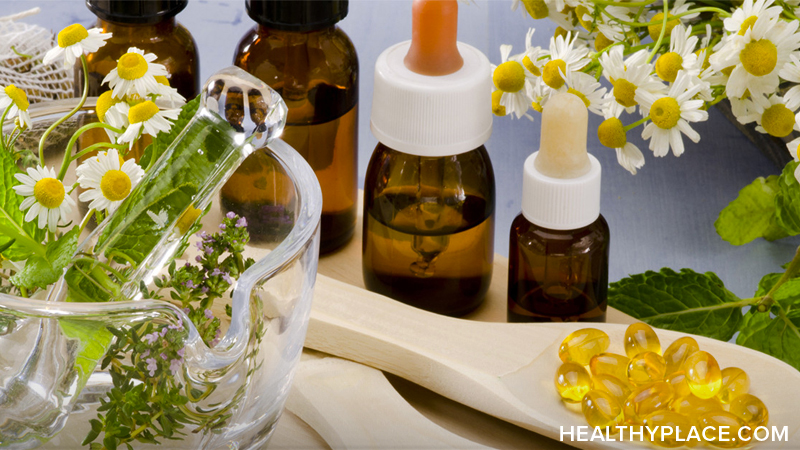
Which alternative treatments work for depression and anxiety? A succinct summary of the scientific evidence.
Most people with depression or anxiety try to manage the illness themselves. Some of these self-management approaches have undergone some reasonable scientific testing and can therefore be tried, especially when the depression is not severe or life-threatening.
-
Some common strategies like drinking more alcohol or smoking cannabis are clearly unhelpful.
-
Other people try alternative therapies or adjusting their life-cycle. Some activities like increased physical activity or attention to sleep patterns are clearly beneficial.
-
Herbal remedies and other alternative health practices may be either helpful or harmful.
-
Some of these approaches have undergone some reasonable scientific testing and can therefore be tried, especially when the depression is not severe or life-threatening. Treatments in the 'poor evidence' box below need more studies to see whether they are helpful or not.
TABLE 1. EVIDENCE-BASE OF DIFFERENT ALTERNATIVE TREATMENTS FOR DEPRESSION
| Good Evidence | Some Evidence | Poor Evidence |
| - St John's Wort - Physical exercise - Self-help books involving cognitive behavior therapy - Light therapy (for winter depression) | - Acupuncture - Light therapy (for non-seasonal depression) - Massage therapy - Negative air ionisation (for winter depression) - Relaxation therapy - SAMe (S-Adenosylmethionine)* - Folate - Yoga breathing exercises | - Ginseng - Lemon balm - Painkillers - Vervain# - Colour therapy - Prayer - Chocolate |
*SAMe is an amino acid that occurs naturally in cells. # Vervain is a traditional herbal remedy for depression consisting of the aerial parts of a flowering plant.
Source: Jorm AF, Christensen H, Griffiths KM, Rodgers B. Effectiveness of complementary and self-help treatments for depression. MJA 2002; 176 Suppl
May 20: p. S84-96.
TABLE 2. EVIDENCE-BASE OF DIFFERENT ALTERNATIVE TREATMENTS FOR ANXIETY
| Good Evidence | Some Evidence* | Poor Evidence |
| - Kava - Exercise - Relaxation therapy - Bibliotherapy | - Acupuncture - Music - Autogenic training# - Meditation - Inositol## - Alcohol avoidance - Dance/ movement therapy | - Bach flower remedies - Berocca - Ginger - Gotu Kola - Herbal preparations - Homeopathy - Lemongrass - Licorice - Magnesium - Passionflower - St John's Wort - Valerian - Vitamin C - 5-Hydroxytryptophan - Aromatherapy - Hydrotherapy - Massage/ touch therapy - Humour - Prayer - Yoga - Caffeine reduction - Carbohydrate rich, protein- poor diet - Nicotine avoidance |
*The evidence for the alternative treatments in this column pertains to specific types of anxiety disorders ranging from generalized anxiety disorder to obsessive compulsive disorder. #Autogenic training is a self-relaxation procedure that is based on passive concentration on bodily perceptions (eg. heaviness and warmth of legs). ##IInositol is an isomer of glucose and it occurs in the normal human diet with around one gram per day being consumed. Source: Jorm AF, Christensen H, Griffiths KM, Parslow RA, Rodgers B, Blewitt KA. Effectiveness of complementary and self-help treatments for anxiety disorders. MJA (in press).
back to: Alternative Medicine Home ~ Alternative Medicine Treatments
APA Reference
Staff, H.
(2008, December 7). Alternative Treatments for Depression and Anxiety, HealthyPlace. Retrieved
on 2024, April 26 from https://www.healthyplace.com/alternative-mental-health/treatments/alternative-treatments-for-depression-and-anxiety