Omega-6 Fatty Acids
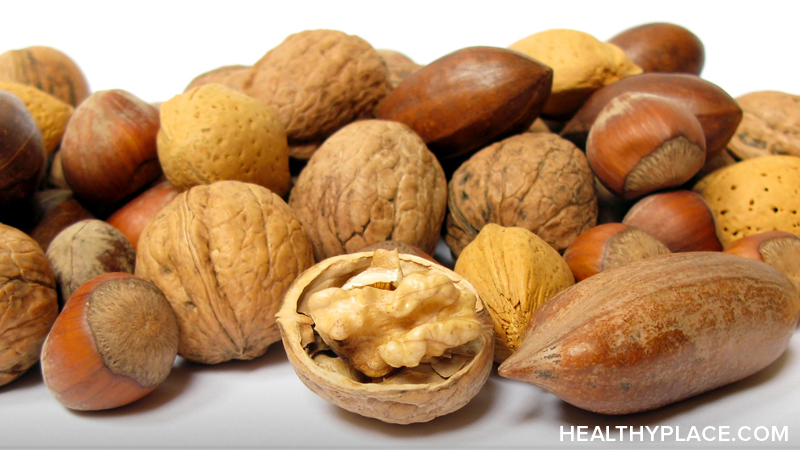
Comprehensive information on omega-6 fatty acids for treatment of anorexia, ADHD and alcoholism. Learn about the usage, dosage, side-effects of omega-6 fatty acids.
Also Known As:essential fatty acids (EFAs), polyunsaturated fatty acids (PUFAs)
- Overview
- Uses
- Dietary Sources
- Available Forms
- How to Take It
- Precautions
- Possible Interactions
- Supporting Research
Overview
Omega-6 fatty acids are considered essential fatty acids (EFAs), which means that they are essential to human health but cannot be made in the body. For this reason, they must be obtained from food. Omega-3 fatty acids are another important group of essential fatty acids. Together, omega-3 and omega-6 fatty acids play a crucial role in brain function as well as normal growth and development. EFAs belong to the class of fatty acids called polyunsaturated fatty acids (PUFAs). They are generally necessary for stimulating skin and hair growth, maintaining bone health, regulating metabolism, and maintaining reproductive capability.
Deficiencies in EFAs can lead to reduced growth, a scaly rash called dermatitis, infertility, and lack of ability to fight infection and heal wounds. Lack of omega-6 fatty acids, however, is extremely rare in diets of those living in certain Western countries, particularly the United States, as well as Israel. In fact, North American and Israeli diets tend to have too much omega-6, particularly in relation to omega-3 fatty acids. This imbalance contributes to long-term diseases such as heart disease, cancer, asthma, arthritis, and depression. For optimum health and disease prevention, the balance should consist of one to four times more omega-6 fatty acids than omega-3 fatty acids. A typical American diet, however, tends to contain 11 to 30 times more omega-6 than omega-3 fatty acids.
In contrast, a Mediterranean diet is made up of a healthier and more appropriate balance between omega-3 and omega-6 fatty acids. The Mediterranean diet includes a generous amount of whole grains, fresh fruits and vegetables, fish, olive oil, and garlic; plus, there is little meat, which is high in omega-6 fatty acids.
There are several different types of omega-6 fatty acids. Most omega-6 fatty acids are consumed in the diet from vegetable oils as linoleic acid (LA; be careful not to confuse this with alpha-linolenic acid [ALA]gamma-linolenic acid (GLA) in th which is an omega-3 fatty acid). Linoleic acid is converted to e body and then further broken down to arachidonic acid (AA). AA can also be consumed directly from meat, and GLA can be ingested from several plant-based oils including evening primrose oil (EPO), borage oil, and black currant seed oil.
Excess amounts of LA and AA are unhealthy because they promote inflammation, thereby leading to several of the diseases described above. In contrast, GLA may actually reduce inflammation. Much of the GLA taken as a supplement is not converted to AA, but rather to a substance called dihomogamma-linolenic acid (DGLA). DGLA competes with AA and prevents the negative inflammatory effects that AA would otherwise cause in the body. In addition, DGLA becomes part of a particular series of substances, called prostaglandins, that can reduce inflammation. Having adequate amounts of certain nutrients in the body (including magnesium, zinc, and vitamins C, B3, and B6) helps promote the conversion of GLA to DGLA rather than AA.
It is important to know that many experts feel that the science supporting the use of omega-3 fatty acids to reduce inflammation and prevent diseases is much stronger than the information regarding use of GLA for these purposes.
Omega-6 Uses
Some clinicians and preliminary research suggest that omega-6 fatty acids may be useful for the following purposes:
Omega-6 for Anorexia Nervosa
Studies suggest that women, and possibly men, with anorexia nervosa have lower than optimal levels of PUFAs and display abnormalities in the use of these fatty acids in the body. To prevent the metabolic complications associated with essential fatty acid deficiencies, some recommend that treatment programs for anorexia nervosa include PUFA-rich foods such as organ meats and fish.
Omega-6 for attention deficit/hyperactivity disorder (ADHD)
Studies suggest that children with attention deficit/hyperactivity disorder (ADHD) have lower levels of EFAs, both omega-6s and omega-3s. Given the relationship of EFAs to normal brain and behavioral function, this makes sense. Because of this logical connection and the low levels of EFAs measured in those with attention deficit/hyperactivity disorder (ADHD), scientists have speculated that replacement of EFAs through food or supplements may help lessen the behaviors and symptoms of this condition.
Research to date has suggested an improvement in symptoms and behaviors related to attention deficit/hyperactivity disorder (ADHD) from omega-3 fatty acids. Results of studies supplying omega-6 fatty acids in the form of GLA from EPO or other sources to children with attention deficit/hyperactivity disorder (ADHD), however, have been mixed and, therefore, not conclusive. More research on GLA for attention deficit/hyperactivity disorder (ADHD) is needed before conclusions can be drawn. In the meantime, ensuring a healthier balance of omega-3 to omega-6 fatty acids in the diet seems worthwhile for those with this behavioral condition.
Diabetes
Omega-6 fatty acid supplementation, in the form of GLA from EPO or other sources, may assist nerve function and help prevent nerve disease experienced by those with diabetes (called peripheral neuropathy and felt as numbness, tingling, pain, burning, or lack of sensation in the feet and/or legs).
Eye Disease
GLA may be beneficial in dry-eye conditions such as Sjögren's syndrome (a condition with symptoms of dry eyes, dry mouth, and, often, arthritis).
Osteoporosis
A deficiency in essential fatty acids (including GLA and EPA, an omega-3 fatty acid) can lead to severe bone loss and osteoporosis. Studies have shown that supplements of GLA and EPA help maintain or increase bone mass. Essential fatty acids may also enhance calcium absorption, increase calcium deposits in bones, diminish calcium loss in urine, improve bone strength, and enhance bone growth, all of which may contribute to improved bone mass and, therefore, strength.
Menopausal Symptoms
Although EPO has gained some popularity for treating hot flashes, the research to date has not demonstrated a benefit of GLA or EPO over taking a placebo. With that said, there are individual women who report improvement; therefore, it may be worthwhile to talk to your doctor about whether it is safe for you to try EPO or another form of GLA supplements to alleviate hot flashes.
Premenstrual Syndrome (PMS)
Although results of studies have been mixed, some women find relief of their PMS symptoms when using GLA supplements from EPO or another source. The symptoms that seem to be helped the most are breast tenderness and feelings of depression as well as irritability and swelling and bloating from fluid retention. Breast tenderness from causes other than PMS may also improve with use of GLA.
Acne and Psoriasis
Some speculate that dietary LA (from, for example, corn oil) may prove beneficial for these skin conditions by replenishing the low levels of LA in these lesions. Research in this area is needed to determine whether this theory has any basis.
Eczema
Several early studies suggested that EPO is more beneficial than placebo at relieving symptoms associated with this skin condition such as itching, redness, and scaling. However, more recent studies have not had the same positive results testing GLA derived from EPO. The bottom line is that whether EPO supplements work for someone with eczema may be very individual. Talk to your doctor about the possibility and safety of trying EPO for this condition.
Omega-6 for Alcoholism
EPO may help lessen cravings for alcohol and prevent liver damage. Some of this information comes from animal studies; more research in people is needed.
Allergies
People who are prone to allergies may require more EFAs and often have difficulty converting LA to GLA. In fact, women and infants who are prone to allergies appear to have lower levels of GLA in breast milk and blood.
To date, the use of EFAs to prevent allergic reactions or reduce their magnitude has had mixed results. There have been some reports of individuals lessening their allergic reaction by taking GLA from EPO. For example, one young boy who broke out in hives when around dogs, no longer had this response after taking EPO for one month. Well-conducted research studies are needed to determine whether EPO can be helpful for large numbers of people with allergies.
On the other hand, a study evaluating dietary intake of omega-6 fatty acids relative to the risk of having hay fever (called allergic rhinitis) found different results for this other type of allergic reaction. Nurses in Japan with higher amounts of omega-6 in their diet were more likely to have hay fever.
Omega-6 fatty acids from the diet or supplements, such as GLA from EPO or other sources, have a longstanding history of folk use for allergies. Whether this supplement improves your symptoms, therefore, may be very individual. Work with your healthcare provider to first determine if it is safe for you to try GLA and then follow your allergy symptoms closely for any signs of improvement or lack there of.
Rheumatoid Arthritis
Some preliminary information indicates that GLA, from EPO, borage oil, or black currant seed oil, may diminish joint pain, swelling, and morning stiffness. GLA may also allow for reduction in amount of pain medication used by those with rheumatoid arthritis. The studies to date, however, have been small in size. Additional research would be helpful, including testing a proposed theory that using GLA and EPA (an omega-3 fatty acid from fish oil) together would be helpful for rheumatoid arthritis.
In the meantime, talk to your doctor about whether using GLA is safe for you and then pay attention, over 1 to 3 months of use, to whether your symptoms get better or not. In terms of borage oil, some researchers theorize that it may not be safe to use with non-steroidal anti-inflammatory drugs (NSAIDs such as ibuprofen, which are commonly used for arthritis). This theory needs to be tested. See Possible Interactions.
Cancer
Results of studies looking at the relationship of omega-6 fatty acids to cancer have been mixed. While LA and AA are cancer promoting in studies of colon, breast, and other cancers, GLA and EPO have shown some benefit for breast cancer in certain studies. The information is not conclusive and is somewhat controversial. The safest bet is to eat a diet with the proper balance of omega-3 to omega-6 fatty acids (see How To Take It), starting from a young age, to try to prevent the development of cancer.
Omega-6 for Weight Loss
Results of studies regarding use of EPO for weight loss have been mixed and, therefore, use of this type of supplement won't work for everyone. One study suggests that if the supplement is going to work, it does so mainly for overweight individuals for whom obesity runs in the family. In addition, a few other small studies suggest that the more overweight you are, the more likely that EPO will help. In fact, if your body weight is only 10% above normal (for example, 10 to 20 pounds above average), EPO is unlikely to help you lose weight.
High Blood Pressure and Heart Disease
Animal studies suggest that GLA, either alone or in combination with two important omega-3 fatty acids, EPA and DHA both found in fish and fish oil, may lower the blood pressure of hypertensive rats. Together with EPA and DHA, the GLA helped to prevent the development of heart disease in these animals as well. It is unclear whether these benefits would occur in people.
In one study evaluating people with peripheral artery disease (blockage in the blood vessels in the legs from atherosclerosis [plaque] causing cramping pain with walking), men and women with this condition did experience improvement in their blood pressure from the combination of EPA and GLA. Much more research is needed in people before conclusions can be drawn. Plus, it may not be the GLA conferring the benefit at all à ¢Ã¢â€š ¬Ã¢â‚¬Å“ the omega-3 fatty acids, which are better known for improving blood pressure and the risks for heart disease, may be solely responsible.
Tuberculosis
Animal studies suggest that guinea pigs fed a diet rich in omega-6 fatty acids were better able to fight this infection than guinea pigs fed a diet rich in omega-3 fatty acids. Whether this would help people with tuberculosis is not known.
Ulcers Very preliminary evidence from test tube and animal studies suggest that GLA from EPO may have anti-ulcer properties. It is premature to know how this might apply to people with stomach or intestinal ulcers or gastritis (inflammation of the stomach).
Dietary Sources for Omega-6 Fatty Acids
The American diet provides more than 10 times the needed amount of omega-6 oils in the form of linoleic acid (LA). This is because it comprises the primary oil ingredient added to most processed foods and is found in commonly used cooking oils, including sunflower, safflower, corn, cottonseed, and soybean oils.
Omega-6 fatty acids in the form of gamma linolenic acid (GLA) and LA are found in the plant seed oils of evening primrose, black currant, borage, and fungal oils.
Arachidonic acid (AA) of the omega-6 series is found in egg yolk, meats in general, particularly organ meats, and other animal-based foods.
Available Forms of Omega-6
Omega-6 fatty acids are commercially available in supplemental oils that contain LA and GLA. Spirulina (often called blue-green algae) also contains GLA.
How to Take Omega-6
For general health, there should be a balance between omega-6 and omega-3 fatty acids; the ratio should be in the range of 1:1 to 4:1; the typical North American diet, however, normally provides ratios from 11:1 to 30:1.
Pediatric
For nursing infants, adequate amounts of essential fatty acids are generally supplied in breast milk if the mother is adequately nourished.
For older children, essential fatty acids should be obtained through the diet. Because it is important to maintain a balance of fatty acids within the body, it may be appropriate to check fatty acid levels before considering supplements for children.
It is important to note that although dietary guidelines as described have been suggested, there are no established therapeutic doses for omega-6 fatty acid supplements in children. Some suggest that EPO 2,000 to 4,000 mg per day may be used safely in children for eczema; research is needed to confirm.
Adult
The recommended dosage for rheumatoid arthritis is 1,400 mg per day of GLA or 3,000 mg of EPO.
For diabetes it is 480 mg per day of GLA.
For breast tenderness or other symptoms of PMS, 3,000 to 4,000 mg of EPO per day is the dose suggested.
For other conditions discussed in Uses, a specific safe and appropriate dose for omega-6 supplements has not yet been established.
Studies have suggested that up to 2,800 mg of GLA per day is well tolerated.
Precautions
Because of the potential for side effects and interactions with medications, dietary supplements should be taken only under the supervision of a knowledgeable healthcare provider.
Omega-6 should not be used if you have a seizure disorder because there have been reports of these supplements inducing seizures.
Borage seed oil, and possibly other sources of GLA, should not be used during pregnancy because they may be harmful to the fetus and induce early labor.
Doses of GLA greater than 3,000 mg per day should be avoided because, at that point, production of AA (rather than DGLA) may increase.
Possible Interactions
If you are currently being treated with any of the following medications, you should not use omega-6 supplements without first talking to your healthcare provider.
Ceftazidime GLA may increase the effectiveness of ceftazidime, an antibiotic in a class known as cephalosporins, against a variety of bacterial infections.
Chemotherapy for cancer GLA may increase the effects of anti-cancer treatments, such as doxorubicin, cisplatin, carboplatin, idarubicin, mitoxantrone, tamoxifen, vincristine, and vinblastine.
Cyclosporine Taking omega-6 fatty acids during therapy with cyclosporine, a medication used to suppress the immune system after an organ transplant, for example, may increase the immunosuppressive effects of this medication and may protect against kidney damage (a potential side effect from this medication).
Nonsteroidal Anti-inflammatory Drugs (NSAIDs) Theoretically, use of NSAIDs, such as ibuprofen, together with borage seed oil or other omega-6 fatty acids may counter-act the effects of the supplement. Research in this area is needed to know if this theory is accurate.
Phenothiazines for schizophreniaIndividuals taking a class of medications called phenothiazines (such as chlorpromazine, fluphenazine, perphenazine, promazine, and thioridazine) to treat schizophreniashould not take EPO because it may interact with these medications and increase the risk of seizures. The same may be true for other omega-6 containing supplements.
back to: Supplement-Vitamins Homepage
Supporting Research
al-Sabanah OA. Effect of evening primrose oil on gastric ulceration and secretion induced by various ulcerogenic and necrotizing agents in rats. Food Chem Toxicol. 1997;35(8):769-775.
Arnold LE, Kleykamp D, Votolato N, Gibson RA, Horrocks L. Potential link between dietary intake of fatty acid and behavior: pilot exploration of serum lipids in attention-deficit hyperactivity disorder. J Child Adolesc Psychopharmacol. 1994;4(3):171-182.
Barham JB, Edens MB, Fonteh AN, Johnson MM, Easter L, Chilton FH. Addition of eicosapentaenoic acid to gamma-linolenic acid-supplemented diets prevents serum arachidonic acid accumulation in humans. J Nutr. 2000;130(8):1925-1931.
Barre DE. Potential of evening primrose, borage, black currant, and fungal oils in human health. Ann Nutr Metab. 2001;45(2):47-57
Baumgaertel A. Alternative and controversial treatments for attention-deficit/hyperactivity disorder. Pediatr Clin North Am. 1999;46(5):977-992.
Belch JJ, Hill A. Evening primrose oil and borage oil in rheumatologic conditions. Am J Clin Nutr. 2000;71(1 Suppl):352S-356S.
Bendich A. The potential for dietary supplements to reduce premenstrual syndrome (PMS) symptoms. J Am Coll Nutr. 2000;19(1):3-12.
Brown NA, Brown AJ, Harding JJ, Dewar HM. Nutrition supplements and the eye. Eye. 1998; 12(pt. 1):127-133.
Bruinsma KA, Taren DL. Dieting, essential fatty acid intake, and depression. Nutrition Rev. 2000;58(4):98-108.
Burgess J, Stevens L, Zhang W, Peck L. Long-chain polyunsaturated fatty acids in children with attention-deficit hyperactivity disorder. Am J Clin Nutr. 2000; 71(suppl):327S-330S.
Calder PC, Miles EA. Fatty acids and atopic disease. Pediatr Allergy Immunol. 2000;11 Suppl 13:29-36.
Calder PC, Zurier RB. Polyunsaturated fatty acids and rheumatoid arthritis. Curr Opin Clin Nutr Metab Care. 2001;4(2):115-121.
Chenoy R, Hussain S, Tayob Y, O'Brien PM, Moss MY, Morse PF. Effect of oral gamolenic acid from evening primrose oil on menopausal flushing. BMJ. 1994;19(308):501-503.
Corbett R, Menez JF, Flock HH, Leonard BE. The effects of chronic ethanol administration on rat liver and erythrocyte lipid composition: modulatory role of evening primrose oil. Alcohol Alcohol. 1991;26(4);459-464.
Darlington LG, Stone TW. Antioxidants and fatty acids in the amelioration of rheumatoid arthritis and related disorders. Br J Nutr. 2001;85(3):251-269.
Davies CL, Loizidou M, Cooper AJ, et al. Effect of gamma-linolenic acid on cellular uptake of structurally related anthracyclines in human drug sensitive and multidrug resistant bladder and breast cancer cell lines. Eur J Cancer. 1999;35:1534-1540.
Engler MM, Schambelan M, Engler MB, Ball DL, Goodfriend TL. Effects of dietary gamma-linolenic acid on blood pressure and adrenal angiotensin receptors in hypertensive rats. Proc Soc Exp Biol Med. 1998;218(3):234-237.
Fan YY, Chapkin RS. Importance of dietary gamma-linolenic acid in human health and nutrition. J Nutr. 1998; 128(9): 1411-1414.
Frenoux JMR, Prost ED, Belleville JL, Prost JL. A polyunsaturated fatty acid diet lowers blood pressure and improves antioxidant status in spontaneously hypertensive rats. J Nutr. 2001;131(1):39-45.
Furse RK, Rossetti RG, Zurier RB. Gammalinolenic acid, an unsaturated fatty acid with anti-inflammatory properties, blocks amplification of IL-1 beta production by human monocytes. J Immunol. 2001;1;167(1):490-496.
Garcia CM, et al. Gamma linolenic acid causes weight loss and lower blood pressure in overweight patients with family history of obesity. Swed J Biol Med. 1986;4:8-11.
Giamarellos-Bourboulis EJ, Grecka P, Dionyssiou-Asteriou A, et al. In vitro interactions of gamma-linolenic acid and arachidonic acid with ceftazidime on multiresistant Pseudomonas aeruginosa. Lipids. 1999;34:S151-152.
Graham-Brown R. Atopic dermatitis: unapproved treatments or indications. Clin Dermatol. 2000;18(2):153-158.
Grattan C, Burton JL, Manku M, Stewart C, Horrobin DF. Essential-fatty-acid metabolites in plasma phospholipids in patients with ichthyosis vulgaris, acne vulgaris and psoriasis. Clin Exp Dermatol. 1990;15(3):174-176.
Griffini P, Fehres O, Klieverik L, et al. Dietary W-3 polyunsaturated fatty acids promote colon carcinoma metastasis in rat liver. Cancer Res. 1998;58:3312-3319.
Head RJ, McLennan PL, Raederstorff D, Muggli R, Burnard SL, McMurchie EJ. Prevention of nerve conduction deficit in diabetic rats by polyunsaturated fatty acids. Am J Clin Nutr. 2000;71:386S-392S.
Hederos CA, Berg A. Epogam evening primrose oil treatment in atopic dermatitis and asthma. Arch Dis Child. 1996;75(6):494-497
Holman RT, Adams CE, Nelson RA, et al. Patients with anorexia nervosa demonstrate deficiencies of selected essential fatty acids, compensatory changes in nonessential fatty acids and decreased fluidity of plasma lipids. J Nutr. 1995;125:901-907.
Horrobin DF. The role of essential fatty acids and prostaglandins in the premenstrual syndrome. J Reprod Med. 1983;28(7):465-468.
Ikushima S, Fujiwara F, Todo S, Imashuku S. Gamma linolenic acid alters the cytotoxic activity of anticancer drugs on cultured human neuroblastoma cells. Anticancer Res. 1990;10:1055-1059.
Kankaanpaa P, Nurmela K, Erkkila A, et al. Polyunsaturated fatty acids in maternal diet, breast milk, and serum lipid fattty acids of infants in relation to atopy. Allergy. 2001;56(7):633-638.
Kast RE. Borage oil reduction of rheumatoid arthritis activity may be mediated by increased cAMP that suppresses tumor necrosis factor-alpha. Int Immunopharmacol. 2001;1(12):2197-2199.
Keen H, Payan J, AllawiJ, et al. Treatment of diabetic neuropathy with gamma-linolenic acid. The Gamma-Linolenic Acid Multicenter Trial Group. Diabetes Care. 1993;16(1):8-15.
Kenny FS, Pinder SE, Ellis IO et al. Gamma linolenic acid with tamoxifen as primary therapy tn breast cancer. Int J Cancer. 2000;85:643-648.
Kris-Etherton PM, Taylor DS, Yu-Poth S, et al. Polyunsaturated fatty acids in the food chain in the United States. Am J Clin Nutr. 2000;71(1 Suppl):179S-188S.
Kruger MC, Coetzer H, de Winter R, Gericke G, van Papendorp DH. Calcium, gamma-linolenic acid and eicosapentaenoic acid supplementation in senile osteoporosis. Aging Clin Exp Res. 1998;10:385-394.
Kruger MC, Horrobin DF. Calcium metabolism, osteoporosis and essential fatty acids: a review. Prog Lipid Res. 1997;36:131-151.
Leventhal LJ, Boyce EG, Zurier RB. Treatment of rheumatoid arthritis with black currant seed oil. Br J Rheumatol. 1994;33(9):847-852.
Leng GC, Lee AJ, Fowkes FG, et al. Randomized controlled trial of gamma-linolenic acid and eicosapentaenoic acid in peripheral arterial disease. Clin Nutr. 1998;17(6):265à ¢Ã¢â€š ¬Ã¢â‚¬ 271,
Little C, Parsons T. Herbal therapy for treating rheumatoic arthritis. Cochrane Database Syst Rev. 2001;(1):CD002948.
Madhavi N, Das UN. Effect of n-6 and n-3 fatty acids on the survival of vincristine sensitive and resistant human cervical carcinoma cells in vitro. Cancer Lett. 1994;84:31-41.
Manjari V, Das UN. Effect of polyunsaturated fatty acids on dexamethasone-induced gastric mucosal damage. Prostaglandins Leukot Essent Fatty Acids. 2000;62(2):85-96.
McCarty MF. Nutritional modulation of mineralocorticoid and prostaglandin production: potential role in prevention and treatment of gastic pathology. Med Hypotheses. 1983;11(4):381-389,
Menendez JA, del Mar Barbacid M, Montero S, et al. Effects of gamma-linolenic acid and oleic acid on paclitaxel cytotoxicity in human breast cancer cells. Eur J Cancer. 2001;37:402-413.
Miller LG. Herbal medicinals: selected clinical considerations focusing on known or potential drug-herb interactions. Arch Intern Med. 1998;158(20):2200 - Å“2211.
Mitchell EA, Aman MG, Turbott SH, Manku M. Clinical characteristics and serum essential fatty acid levels in hyperactive children. Clin Pediatr (Phila). 1987;26:406-411.
Morphake P, Bariety J, Darlametsos J, et al. Alteration of cyclosporine (CsA)-induced nephrotoxicity by gamma linolenic acid (GLA) and eicosapentaenoic acid (EPA) in Wistar rats. Prostaglandins Leukot Essent Fatty Acids. 1994;50:29-35.
Morse PF, Horrobin DF, Manku MS, et al. Meta-analysis of placebo-controlled studies of the efficacy of Epogram in the treatment of atopic eczema: relationship between plasma essential fatty changes and treatment response. Br J Dermatol. 1989;121(1):75-90.
Munoz SE, Lopez CB, Valentich MA, Eynard AR. Differential modulation by dietary n-6 or n-9 unsaturated fatty acids on the development of two murine mammary gland tumors having different metastatic capabilities. Cancer Lett. 1998;126:149-155.
Paul KP, Leichsenring M, Pfisterer M, et al. Influence of n-6 and n-3 polyunsaturated fatty acids on the resistance to experimental tuberculosis. Metabolism. 1997;46(6):619-624.
Plumb JA, Luo W, Kerr DJ. Effect of polyunsaturated fatty acids on the drug sensitivity of human tumour cell lines resistant to either cisplatin or doxorubicin. Br J Cancer. 1993;67:728-733.
Richardson AJ, Puri BK. The potential role of fatty acids in attention-deficit/hyperactivity disorder. Prostaglandins Leukot Essent Fatty Acids. 2000;63(1/2):79-87.
Rothman D, DeLuca P, Zurier RB. Botanical lipids: effects on inflammation, immune responses, and rheumatoid arthritis. Semin Arthritis Rheum. 1995;25(2):87-96.
Shils ME, Olson JA, Shike M, Ross AC. Modern Nutrition in Health and Disease. 9th ed. Baltimore, Md: Williams & Wilkins; 1999:88-90, 1347-1348.
Simopoulos AP. Essential fatty acids in health and chronic disease. Am J Clin Nutr. 1999;70(3 suppl):560S-569S.
Soyland E, Funk J, Rajka G, et al. Effect of dietary supplementation with very-long-chain n-3 fatty acids in patients with psoriasis. N Engl J Med. 1993;328(25):1845-1846.
Stevens LJ, Zentall SS, Abate ML, Kuczek T, Burgess JR. Omega-3 fatty acids in boys with behavior, learning and health problems. Physiol Behav. 1996;59(4/5):915-920.
Stevens LJ, Zentall SS, Deck JL, et al. Essential fatty acid metabolism in boys with attention-deficit hyperactivity disorder. Am J Clin Nutr. 1995;62:761-768.
Stoll BA. Breast cancer and the Western diet: role of fatty acids and antioxidant vitamins. Eur J Cancer. 1998;34(12):1852-1856.
Thompson L, Cockayne A, Spiller RC. Inhibitory effect of polyunsaturated fatty acids on the growth of Helicobacter pylori: a possible explanation of the effect of diet on peptic ulceration. Gut. 1994;35(11):1557-1561.
Tsai W-S, Nagawa H, Kaizaki S, Tsuruo T, Muto T. Inhibitory effects of n-3 polyunsaturated fatty acids on sigmoid colon cancer transformants. J Gastroenterol. 1998;33:206-212.
Wainwright PE. Do essential fatty acids play a role in brain and behavioral development? Neurosci Biobehav Rev. 1992;16(2):193-205.
Wakai K, Okamoto K, Tamakoshi A, Lin Y, Nakayama T, Ohno Y. Seasonal allergic rhinoconjunctivitis and fatty acid intake: a cross-sectional study in Japan. Ann Epidemiol. 2001;11(1):59-64.
Werbach MR. Nutritional Influences on Illness. 3rd ed. Tarzana, Calif: Third Line Press; 1999:67-70, 89-103, 206-207, 358-362, 371, 445, 455, 471, 562-565, 622-623, 657-660, 666-670, 678-683.
Whitaker DK, Cilliers J, de Beer C. Evening primrose oil (Epogam) in the treatment of chronic hand dermatitis: disappointing therapeutic results. Dermatology. 1996;193(2):115-120.
Worm M, Henz BM. Novel unconventional therapeutic approaches to atopic eczema. Dermatology. 2000;201(3):191-195.
Wu D, Meydani M, Leka LS, et al. Effect of dietary supplementation with black currant seed oil in the immune response of healthy elderly subjects. Am J Clin Nutr. 1999;70:536-543.
Yam D, Eliraz A, Berry EM. Diet and disease - Å“ the Israeli paradox: possible dangers of high omega-6 polyunsaturated fatty acid diet. Isr J Med Sci. 1996;32(11):1134-1143.
The publisher does not accept any responsibility for the accuracy of the information or the consequences arising from the application, use, or misuse of any of the information contained herein, including any injury and/or damage to any person or property as a matter of product liability, negligence, or otherwise. No warranty, expressed or implied, is made in regard to the contents of this material. No claims or endorsements are made for any drugs or compounds currently marketed or in investigative use. This material is not intended as a guide to self-medication. The reader is advised to discuss the information provided here with a doctor, pharmacist, nurse, or other authorized healthcare practitioner and to check product information (including package inserts) regarding dosage, precautions, warnings, interactions, and contraindications before administering any drug, herb, or supplement discussed herein.
back to: Supplement-Vitamins Homepage
APA Reference
Staff, H.
(2009, January 2). Omega-6 Fatty Acids, HealthyPlace. Retrieved
on 2026, October 2 from https://www.healthyplace.com/alternative-mental-health/supplements-vitamins/omega-6-fatty-acids