Sexual Health Infections
Comprehensive information about the following Sexual Health Infections and Sexually Transmitted Diseases (STDs):
- Chlamydia
- Gonorrhea
- Genital herpes
- Pubic lice
- Scabies
- HIV & AIDS
- Syphilis
- Trichomonas vaginalis (TV)
- Thrush
- Genital warts
- Non-specific urethritis (NSU)
Chlamydia
What is Chlamydia and how is it passed on? Find out about signs and symptoms, testing and treatment and what happens if Chlamydia isn't treated. How to avoid STDs.
Information and advice
Anyone who has sex can catch a sexually transmitted infection (STI).
Chlamydia is one of the most common STIs - and usually goes untreated. Here's how to spot the symptoms of Chlamydia and where to go for help if you think you may be infected.
What is it and how is it passed on?
Chlamydia is one of the most common bacterial sexually transmitted infections (STIs) and is easily transmitted. It usually infects the genitals of both men and women, but can also infect the throat, rectum and eyes. It's particularly common in young people, but can affect anyone who's sexually active.
Chlamydia is mainly passed from one person to another through sexual activity such as:
- vaginal or anal sex with an infected partner
- oral sex, although this is less common
- sharing sex toys
It can also be passed from a mother to her baby at birth.
You can't catch Chlamydia from kissing, hugging, sharing baths, towels, cups, plates, cutlery, or from toilet seats or swimming pools.
Signs and symptoms of Chlamydia
Around 70% of women and 50% of men who have Chlamydia show no symptoms at all; others may have symptoms so mild they aren't noticed.
Symptoms in women:
- an unusual vaginal discharge
- pain when passing urine
- bleeding between periods
- pain during sex or bleeding after sex
- low abdominal pain
Symptoms in men:
- white/cloudy, watery discharge from the tip of the penis
- pain or a burning sensation when passing urine
- testicular pain and/or swelling
Testing and treatment
The tests for Chlamydia aren't usually painful but they may be uncomfortable. Either a urine test is done or a swab is taken from the urethra (the tube where urine comes out), the cervix (entrance to the womb), rectum, throat or eye.
Cervical smear tests and blood tests don't detect infections such as Chlamydia.
Chlamydia is simple to treat with antibiotics, either a single dose or a course lasting up to two weeks. To avoid re-infection, any sexual partners should be treated too. If complications occur, another treatment may be needed.
Once Chlamydia has been successfully treated, it won't come back unless a new infection is picked up.
What happens if Chlamydia isn't treated?
Without treatment, the infection can spread to other parts of the body causing damage and serious long-term health problems.
In women, Chlamydia can cause pelvic inflammatory disease. This can lead to:
- ectopic pregnancy (a pregnancy outside the womb)
- blocked fallopian tubes (the tubes which carry the egg from the ovaries to the womb), which can result in reduced fertility or infertility
- long-term pelvic pain
- early miscarriage or premature birth
Chlamydia can be safely treated during pregnancy and breastfeeding, but if untreated can cause an eye infection or pneumonia in the baby at birth.
In men, Chlamydia can lead to:
- painful inflammation of the testicles, which may result in fertility problems
- Reiter's syndrome (inflammation of the joints, urethra and eyes)
How to avoid STDs
- Before you have sex, talk to your partner about how to protect yourselves.
- A male or female condom can provide protection from most STDs if used correctly every time you have sex.
- Become familiar with how to use condoms and have a supply ready.
- Seek advice straight away if you think you've been at risk.
Gonorrhea
What is Gonorrhea and how is it passed on? Find out about signs and symptoms of Gonorrhea, testing and treatment and what happens if Gonorrhea isn't treated. How to avoid STIs.
Gonorrhea - or 'the clap' - can have serious consequences for your health if not treated promptly. This article explains how Gonorrhea is passed on, which symptoms to look for and where to go for prompt and effective treatment.
What is it and how is it passed on?
Gonorrhoea is a bacterial infection sometimes called 'the clap'. It can infect the genitals, urethra, rectum and throat. More rarely, it can affect the blood, skin, joints and eyes.
Gonorrhea is infectious and easily passed on through:
- vaginal, oral or anal sex
- close physical contact
- sharing sex toys
- from a mother to her baby at birth
It can also be passed from the genitals to the eyes by the fingers.
You can't catch gonorrhea from kissing, hugging, sharing baths, towels, cups, plates or cutlery, or from toilet seats or swimming pools.
Signs and symptoms of Gonorrhea
About 50% of women and 10% of men with gonorrhoea show no symptoms at all. Any symptoms that do occur may be noticed one to 14 days after infection. Gonorrhea in the throat rarely shows symptoms.
Symptoms of Gonorrhea in women:
- strong smelling vaginal discharge that may be thin/watery or yellow/green
- pain when passing urine
- irritation or discharge from the anus
- possibly some low abdominal or pelvic tenderness
Symptoms of Gonorrhea in men:
- white, yellow or green discharge from the tip of the penis
- inflammation of the testicles and prostate gland
- pain when urinating
- irritation or discharge from the anus
Testing and treatment
Tests for gonorrhea shouldn't be painful, but they may be uncomfortable. They involve:
- giving a sample of urine
- a genital examination by a doctor or nurse
- taking swabs from the cervix (entrance to the womb), urethra (tube where the urine comes out), throat or rectum
Early treatment is simple and effective and involves a single dose of antibiotics. This is followed by a second test a month later to make sure the infection has gone. If complications occur another treatment may be needed.
It's important not to have unprotected vaginal, oral or anal sex until treatment is completed and the infection has cleared up.
Once gonorrhea is successfully treated it won't come back unless a new infection is picked up. To avoid re-infection, any sexual partners should be treated too.
The highest rates of gonorrhea are seen in women aged 16-19 and men aged 20-24.
What happens if it isn't treated?
Without treatment, gonorrhea can spread to other reproductive organs causing damage and serious long-term health problems.
In women, gonorrhea can cause pelvic inflammatory disease. This can lead to:
- blocked fallopian tubes (the tubes which carry the egg from the ovaries to the womb), which can result in reduced fertility or infertility
- long-term pelvic pain
- ectopic pregnancy (a pregnancy outside the womb)
A mother with gonorrhea can pass an eye infection to her baby at birth. If untreated, this can lead to blindness.
In men, gonorrhea can lead to:
- pain and inflammation of the testicles
- inflammation of the prostate gland and infertility
How to avoid STIs
- Before you have sex, talk to your partner about how to protect yourselves.
- A male or female condom can provide protection from most STIs if used correctly every time you have sex.
- Become familiar with how to use condoms and have a supply ready.
- Seek advice straight away if you think you've been at risk.
Genital Herpes
What is Genital Herpes and how is it passed on? Find out about signs and symptoms, testing and treatment and what happens if Genital Herpes isn't treated. How to avoid STIs.
Once the herpes virus is in your body, it's there for good. Here's how to reduce the chances of catching it in the first place, along with herpes symptoms and how to minimize its effects.
What is Genital Herpes and how is it passed on?
Genital herpes is caused by the herpes simplex virus. There are two types of the virus which affect the mouth and nose as cold sores or affect the genital and anal areas.
|
- - Warning - close-up image - - If you'd like to see what herpes looks like on skin, click on the links below. Be warned, though - the pictures are graphic and you may find them disturbing. |
Some people have one outbreak of herpes, others have repeated outbreaks. Genital herpes is passed on by direct skin contact, mainly during vaginal, oral or anal sex, or sharing sex toys.
There are ways in which you can avoid passing on genital herpes:
- During an outbreak, the blisters and sores are highly infectious. Avoid contact with the infected area of skin at this time or during the warning signs of an outbreak.
- Condoms may help protect against genital herpes, although their effectiveness is unclear as the virus is present on the skin, and the condom only covers the penis so it can't offer complete protection.
It is possible to get herpes simplex by having sex with an infected person who has never had any signs or symptoms.
You can't catch genital herpes from hugging, sharing baths, towels, cups, plates or cutlery, or from toilet seats or swimming pools.
Signs and symptoms of Genital Herpes
Many people show no signs of the virus. Others don't recognize the symptoms if they're very mild. Symptoms can develop at any time after contact with the virus, but for most people it takes around three to four days.
Symptoms include:
- fluid-filled blisters that burst leaving painful sores
- flu-like symptoms - headache, backache, swollen glands in the groin or fever
- tingling or itching sensation in the genitals or anal area
- pain when passing urine
Left untreated, the symptoms last approximately two to three weeks. Recurrent infections are milder and symptoms clear up more quickly (within a week).
Testing and treatment
Tests for genital herpes shouldn't be painful but they may be uncomfortable. They may include:
- taking a swab from any visible sores
- genital examination by a doctor or nurse
- urine tests
- women may have an internal examination
The virus always remains in the body and no treatment gets rid of it completely. Antiviral tablets can be taken during the first outbreak to ease symptoms and help clear it up. However, these can be less effective if further outbreaks are experienced.
People often experience early warning signs of an outbreak, such as a tingling sensation in the affected area. Self-help measures can prove useful in reducing symptoms or preventing outbreaks, such as:
- avoiding stress
- eating a balanced diet
- cutting down on smoking and drinking
- avoiding direct sunlight on the affected area - including using sunbeds
- avoiding lycra or nylon underwear
In 2000, almost 16,800 men and women attended STD clinics in the UK with a first attack genital herpes.
What happens if Genital Herpes isn't treated?
Serious problems are uncommon. Genital herpes doesn't affect fertility. It's not linked to cancer of the cervix.
How to avoid STIs
- Before you have sex, talk to your partner about how to protect yourselves.
- A male or female condom can provide protection from most STIs if used correctly every time you have sex.
- Become familiar with how to use condoms and have a supply ready.
- Seek advice straight away if you think you've been at risk.
Pubic Lice
What are Pubic Lice and how do you catch them? Find out about signs and symptoms of Pubic Lice, testing and treatment. How to avoid STIs.

Pubic lice or crabs are unpleasant, but once diagnosed are thankfully easily treated. Here are the symptoms to look for, where to go for help and the various methods of treatment for pubic lice that are available.
How do you catch Lice?
Pubic lice are sometimes called crabs. They live in coarse body hair, such as pubic hair, but can also live in underarm hair, on hairy legs and chests and occasionally in beards, eyebrows and eyelashes.
They're yellow-grey in color, measure about 2mm long and have large, crab-like claws with which they fasten themselves to hair.
Pubic lice are easily passed on through sexual contact, or through close physical contact.
- they crawl from hair to hair; they don't fly or jump
- the eggs of the lice can survive away from the body for up to 24 hours, so it's possible for them to be passed on by sharing clothes, bedding or towels
- pubic lice are different to head lice
You can't catch pubic lice from sharing cups, plates or cutlery, or from toilet seats or swimming pools.
Signs and symptoms of pubic lice
Symptoms are noticed about five days to several weeks after infection. They include:
- itchy skin or inflammation of the affected area
- black powder (lice droppings) in underwear
- brown eggs on the hair
- occasionally, visible lice and eggs
- spots of blood are sometimes seen as lice feed from blood vessels close to the surface of the skin
Testing and treatment
Tests for pubic lice are simple and include:
- a physical examination by a doctor or nurse
- a medical history being taken
- lice being examined under a microscope
Pubic lice are easily treated. Special shampoos, creams or lotions are used to kill the lice and their eggs. You do not need to shave off pubic hair.
The itching or rash may continue after treatment and take a few weeks to clear up. A lotion to calm the skin may help with this.
Pubic lice don't cause any serious long-term health problems. However, to avoid re-infection, any sexual partners should be treated too. Clothes and bedding should also be washed.
Sex and all close contact should be avoided until treatment has been completed and the lice and their eggs have gone.
How to avoid STIs
- Before you have sex, talk to your partner about how to protect yourselves.
- A male or female condom can provide protection from most STIs if used correctly every time you have sex.
- Become familiar with how to use condoms and have a supply ready.
- Seek advice straight away if you think you've been at risk.
Scabies
What is Scabies and how it's passed on? Find out about signs and symptoms of scabies, testing and treatment and what happens if scabies isn't treated? How to avoid STIs.
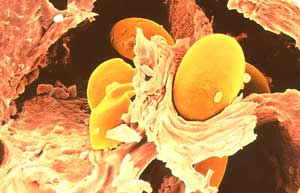
The skin infection scabies isn't necessarily passed on through intercourse, but as it involves close physical contact, it's a possible method of transmission. Find out the symptoms of Scabies and how to get treatment.
What is it and how is it passed on?
Scabies is a common skin infection caused by a tiny mite invisible to the naked eye. The female mite burrows under the skin to lay her eggs. These become adult mites in about ten days.
The scabies mites are easily passed on through close physical contact with an infected person. The mites can live for 72 hours away from the body so it's possible for scabies to be spread through clothing, bedding and towels.
You can't catch scabies through sharing cups, plates or cutlery, or from toilet seats or swimming pools.
Signs and symptoms of scabies
Scabies can occur anywhere on the body, but sometimes the signs are hard to see. Symptoms can appear weeks after first contact and include itching (especially at night), a rash and tiny spots.
The mites concentrate in the body's skin creases and are commonly found:
- on the hands, especially between and along the side of the fingers
- under the arms
- on the wrists and elbows
- on the genitals
- underneath the buttocks
|
- - Warning - (close-up image) - - If you'd like to see what scabies looks like on the skin, click on the link below. Be warned, though - this picture is graphic and you may find it disturbing. |
Testing and treatment
Tests for scabies are simple and involve:
- a physical examination by a doctor or nurse
- taking a skin flake from one of the spots and examining it under a microscope
- taking a full medical history
Treatment for scabies is simple and involves applying a special cream or lotion all over the body.
The itching or rash may continue after treatment and take a few weeks to clear up, although a calming skin lotion may help with this.
To avoid re-infection, close contacts, family members and sexual partners should be treated too. Close personal contact should be avoided until treatment is completed and the infection has cleared up.
What happens if scabies isn't treated?
Scabies doesn't cause any long-term health problems.
How to avoid STIs
- Before you have sex, talk to your partner about how to protect yourselves.
- A male or female condom can provide protection from most STIs if used correctly every time you have sex.
- Become familiar with how to use condoms and have a supply ready.
- Seek advice straight away if you think you've been at risk.
HIV and AIDS
What is HIV and how is it passed on? Find out how to prevent HIV, what are the initial signs and symptoms of HIV, HIV testing and treatment.
Rates of infection for HIV are on the rise, especially among heterosexuals. Here's how HIV and AIDS are transmitted, when a person can be said to have AIDS and the treatment options open to those with this fatal disease.
How's HIV passed on?
HIV is a virus that damages a person's immune system, the body's defense against disease. A person infected with HIV is infected for life - there's no cure. Being infected with HIV is often referred to as being HIV-positive.
Over time, as the immune system weakens, a person with HIV may develop rare infections or cancers. When these are particularly serious, the person is said to have AIDS.
HIV can only be passed on through the transfer of blood, semen, vaginal fluids and breast milk. The two main ways in which a person can become infected are:
- vaginal or anal sexual intercourse (without a condom) with an infected person
- using a needle or syringe that's already been used by someone who's infected
An HIV infected pregnant woman can also pass the virus to her unborn baby, before or during the birth.
Other potential routes of transmission include:
- Giving and receiving first aid, although transmission will only occur if significant amounts of HIV-infected blood pass from one person to another.
- Contact with used needles and syringes.
- Giving and receiving oral sex, although there are very few proven instances of this. Generally, transmission will only occur if a person has cuts or sores in their mouth.
- Seeing a dentist, doctor or nurse. It's extremely rare for HIV to be passed from a healthcare professional to a patient, as all medical instruments are sterilized or used only once.
- Fighting and biting. There have been extremely few cases of infection in such cases.
- Kissing, although generally this won't pass on HIV as saliva doesn't contain a high enough concentration of HIV. The only risk would be if both people had noticeably bleeding cuts and sores in their mouths.
- Sport. The only risk in sport is if HIV-infected blood gets into a wound or a cut.
It's important to emphasize that even though the risk of transmission through any of the above is small, it still remains and care should always be taken.
Although blood transfusions and use of blood products are a potential route of transmission, all blood in the US and UK has been screened for HIV since 1985.
HIV isn't passed on by:
- sharing plates and utensils
- touching, hugging or shaking hands
- using the same toilet
- insect or animal bites
Improved treatment and care for HIV-positive women means far fewer children are now born HIV-positive.
Preventing HIV transmission
There are several ways in which you can prevent HIV being passed on:
- using a condom during sexual intercourse
- using a clean needle every time if you inject drugs
There are also a number of steps an HIV-positive woman can take to reduce the chance of passing on HIV to her child during pregnancy. These include:
- taking an anti-HIV drug towards the end of pregnancy and at the time of delivery
- considering having a cesarean section delivery
- giving the baby formula milk instead of breastfeeding
Who's at risk?
You're only at risk of HIV if you're involved in a high-risk activity. In some communities in the UK, particularly gay and African communities, there are a higher number of people who're HIV-positive.
Initial signs and symptoms of HIV
There are no immediate signs or symptoms after infection. Research has shown that after a few weeks some people experience flu-like symptoms, but these symptoms usually go undiagnosed. The only way to know if you are HIV-positive is to have a test.
In 2001, the number of new HIV diagnoses in heterosexuals in the UK exceeded the number of new homosexual diagnoses.
HIV Testing
The HIV test looks for HIV antibodies in the blood. It normally takes three months for antibodies to develop, so if you have a test soon after possible infection, the result may be inaccurate. You'll need to be tested again after three months to get a definite result.
Anyone in the US can have a free HIV test. The test is available from your family doctor or from any county health or Planned Parenthood clinic. Test results are completely confidential - and no one will be informed without your consent. You can also go anonymously. A trained counselor will explain the test procedure and discuss possible results. You normally have to wait one week for a result.
Treatment
There's no cure for HIV, but there are a number of drugs that can help prevent someone who's HIV-positive becoming ill. Drug treatment is free in the UK.
Treatment consists of taking several drugs every day, which is known as combination therapy. These drugs aren't a cure for HIV infection but they can increase enormously the life expectancy of someone with HIV. If the drugs aren't taken correctly, the treatment will stop being so effective and the person may become ill.
Research continues around the world to develop a HIV vaccine. Great progress is being made, although it's likely to be a number of years before such a treatment is widely
How to avoid STIs
- Before you have sex, talk to your partner about how to protect yourselves.
- A male or female condom can provide protection from most STIs if used correctly every time you have sex.
- Become familiar with how to use condoms and have a supply ready.
- Seek advice straight away if you think you've been at risk.
Syphilis
What is Syphilis and how is it passed on? Find out about signs and symptoms of syphilis, testing and treatment and what happens if syphilis isn't treated. How to avoid STIs.

It may sound like a disease that died out in the 19th century, but syphilis is still well and truly with us and can have devastating effects if left untreated. But how do you catch syphilis and what are the symptoms?
What is syphilis and how is syphilis passed on?
Syphilis is a bacterial infection, sometimes called 'the pox'. It has several stages: primary and secondary stages, which are very infectious, and the third or latent stage, which occur if the infection is left untreated.
Syphilis is easily passed on through:
- vaginal, oral or anal sex
- sharing sex toys
- intimate close body contact with syphilis sores or rashes
- from a mother to her unborn baby
You can't catch syphilis from hugging, sharing baths or towels, or from toilet seats or swimming pools.
Signs and symptoms of syphilis
The symptoms of syphilis can be difficult to recognize and can be missed. They can take up to three months to show after sex with an infected person.
Primary stage syphilis:
- Three to four weeks after infection, one or more painless sores appear. In women, these may be on the vulva (lips of the vagina), urethra (tube where the urine comes out) or cervix (entrance to the womb). In men, they may be on the penis or foreskin.
- Sores can also appear around the anus and mouth in both sexes and are very infectious. They may take up to six weeks to heal.
|
- - Warning - (close-up image) - - If you'd like to see what the effects of syphilis look like on the skin, click on any of the links below. Be warned, though - the pictures are graphic and you may find them disturbing. |
Secondary stage syphilis:
- If the infection isn't treated, three to six weeks after the sores have gone the following symptoms appear: a non-itchy rash that covers the whole body; wart-like growths on the vulva or around the anus; a flu-like illness, including swollen glands, sore throat and headache; white patches in the mouth; patchy hair loss.
- These symptoms can last several weeks or months. Second stage syphilis is very infectious.
What happens if it isn't treated?
Once the sores and rash have cleared up, there may be no symptoms for many years. This is called third stage or latent syphilis.
Latent syphilis develops about ten years after first infection. It can cause very serious damage to the heart, brain, eyes, other internal organs and nervous system which can be fatal.
Testing and treatment
Tests for syphilis shouldn't be painful, but may be uncomfortable. They may include:
- blood and urine samples
- taking a swab from the sores
- examining the genitals and entire body
- an internal examination for women
Syphilis treatment is simple during the primary and secondary stages, and involves either a single antibiotic injection or two-week course of antibiotic tablets. It can also be treated during the third or latent stage, but any damage done to the body may be irreversible.
Any unprotected vaginal, oral and anal sex should be avoided until treatment is completed and the infection has cleared up. Direct contact between the sores and rashes and a partner should also be avoided until treatment is complete.
To avoid re-infection, all sexual partners should also be treated.
All pregnant women in the US and UK are tested for syphilis.
Treatment can be safely given to pregnant women with no risk to the unborn baby. Left untreated, syphilis during pregnancy can lead to miscarriage or stillbirth.
How to avoid STIs
- Before you have sex, talk to your partner about how to protect yourselves.
- A male or female condom can provide protection from most STIs if used correctly every time you have sex.
- Become familiar with how to use condoms and have a supply ready.
- Seek advice straight away if you think you've been at risk.
Trichomonas Vaginalis
What is Trichomonas Vaginalis and how is it passed on? Find out about signs and symptoms of Trichomonas Vaginalis, testing and treatment and what happens if Trichomonas Vaginalis isn't treated. How to avoid STIs.
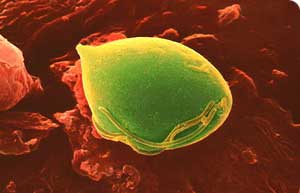
The symptoms of Trichomonas vaginalis are often difficult to spot, especially among men. Here's what you should be looking for, where to go for testing and what treatments for Trichomonas Vaginalis are available.
What is Trichomonas vaginalis and how is it passed on?
Trichomonas vaginalis (TV) is caused by a tiny parasite found in the vagina and urethra (the tube where urine comes out).
It is passed on through:
- vaginal sex
- from a mother to her baby at birth
- sharing sex toys
You can't catch trichomonas vaginalis from kissing, hugging, sharing cups, plates or cutlery, or from toilet seats or swimming pools.
Signs and symptoms of Trichomonas vaginalis
Up to 50% of infected people show no symptoms, but symptoms can appear between three and 21 days after infection.
Trichomonas vaginalis symptoms in women:
- increased discharge from the vagina, which may be thinner or frothy, change in color and have a musty or fishy smell
- itching, soreness and inflammation in and around the vagina
- pain when passing urine or having sex
- tenderness in the lower abdomen
Trichomonas vaginalis symptoms in men:
- thin, whitish discharge from the tip of the penis, which can stain underwear
- pain or burning when passing urine
Men especially tend to act as carriers and not show symptoms.
Testing and treatment of Trichomonas vaginalis
Tests for Trichomonas vaginalis shouldn't be painful, but they may be uncomfortable. They may include:
- genital examination by a doctor or nurse
- taking a swab from the vagina or urethra and examining it under a microscope
- women may have an internal examination
- urine tests
TV is sometimes discovered during a routine cervical smear test.
Treatment is simple and involves a single dose or course of antibiotics. Once successfully treated, TV doesn't come back unless a new infection is acquired. To avoid re-infection, any sexual partners must also be treated.
Unprotected vaginal sex should be avoided until treatment is completed and the infection has cleared up. A check-up is advised after treatment to make sure the infection has gone.
What happens if Trichomonas vaginalis isn't treated?
Trichomonas vaginalis doesn't cause any serious long-term health problems.
How to avoid STIs
- Before you have sex, talk to your partner about how to protect yourselves.
- A male or female condom can provide protection from most STIs if used correctly every time you have sex.
- Become familiar with how to use condoms and have a supply ready.
- Seek advice straight away if you think you've been at risk.
Thrush
What is Thrush and how is it passed on? Find out about signs and symptoms of Thrush, testing and treatment and what happens if Thrush isn't treated. How to avoid STIs.
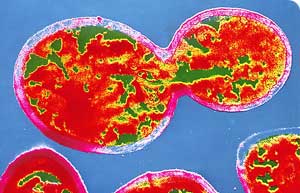
Most women will suffer from the yeast infection thrush at some point, but men can get it too. Recognizing the symptoms of Thrush will help you receive prompt treatment and prevent you passing the infection on to your partner.
What is Thrush and how is it passed on?
Thrush is a common infection caused by a yeast called Candida albicans. This yeast lives on the skin and in the mouth, gut and vagina. Usually it's harmless, but sometimes changes in the body cause the yeast to grow rapidly. This can lead to an outbreak of thrush.
Thrush can develop when you have sex with someone who has the infection. However, it isn't usually related to sex and is more likely to occur when you:
- wear tight trousers or nylon underwear
- take certain antibiotics
- are pregnant
- are diabetic
- are unwell or ill
- use products that may cause irritation such as vaginal deodorants
You can't catch thrush from kissing, hugging, sharing baths, towels, cups, plates or cutlery, or from toilet seats or swimming pools.
Signs and symptoms of Thrush
Both men and women can get thrush.
|
- - Warning - (close-up image) - - If you'd like to see what the effects of thrush look like, click on any of the links below. Be warned, though - the pictures are graphic and you may find them disturbing. |
Thrush symptoms in women:
- soreness, redness and itching around the vulva (lips of the vagina), the vagina and anus
- thick, white discharge from the vagina that looks like cottage cheese and smells of yeast
- pain during sex
- pain passing urine
Thrush symptoms in men:
- burning, itching, redness and red patches under the foreskin or on the tip of the penis
- thick, cheesy discharge under the foreskin
- problems pulling back the foreskin
Thrush Testing and treatment
Tests for Thrush shouldn't be painful, but they may be uncomfortable. They may include:
- a genital examination by a doctor or nurse
- taking swabs from the infected area and examining them under a microscope
- women may be given an internal examination
Thrush is easily treated using pessaries (almond-shaped tablets that are inserted into the vagina), cream or tablets. Men are usually treated with creams. It's best to avoid sex until the treatment is completed and the infection has cleared up.
At least three out of four women will experience thrush at some time in their lives.
Some self-help measures can be useful in preventing or clearing up outbreaks of thrush:
- avoid using perfumed soap, bubble bath and other irritants such as disinfectants
- avoid douching (washing out the vagina with liquids)
- avoid tight nylon underwear
- women should wash and wipe the genital area from front to back
- women should also use sanitary pads rather than tampons during their periods
What happens if Thrush isn't treated?
Thrush doesn't cause serious long-term health problems. It will clear up without treatment, but this will prolong the discomfort.
How to avoid STIs
- Before you have sex, talk to your partner about how to protect yourselves.
- A male or female condom can provide protection from most STIs if used correctly every time you have sex.
- Become familiar with how to use condoms and have a supply ready.
- Seek advice straight away if you think you've been at risk.
Genital Warts
What are Genital Warts and how do you catch them? Find out about signs and symptoms of Genital Warts, testing and treatment and what happens if it isn't treated. How to avoid STIs.
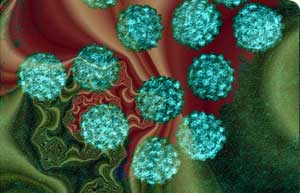
Genital warts are the most common STI seen at genitourinary medicine clinics in the U.S. and UK, although many people who carry the virus that causes them have no physical symptoms. Read about the possible symptoms and how genital warts are treated.
How do you catch Genital Warts?
Genital warts are caused by the human papilloma virus (HPV) and can appear anywhere on the genital or anal area.
Genital warts are passed on by direct skin-to-skin genital contact with an infected person. This includes:
- vaginal or anal sex
- close body contact
- sharing sex toys
Condoms can't offer full protection against genital warts, as the virus is passed on through direct skin-to-skin contact, and condoms only cover the penis.
You can't catch genital warts from kissing, hugging, sharing baths, towels, cups, plates or cutlery, from toilet seats or swimming pools.
Signs and symptoms of Genital Warts
Only about one per cent of people with HPV have any visible warts and it can take from two weeks to several months for them appear.
|
- -Warning - close-up image - - If you'd like to see what a genital wart looks like on the skin, click on the link below. Be warned, though - the pictures are graphic and you may find them disturbing. |
Warts don't affect everyone in the same way.
- Warts appear as small white lumps or larger, cauliflower-shaped growths.
- There may be just one wart or many.
- They can appear anywhere on the genitals - around the vulva, penis, scrotum or anus; they can appear around the anus without you having had anal sex.
- Warts are painless but can irritate the skin.
- Warts can develop inside the vagina or anus, or on the cervix.
Testing and treatment
Tests for genital warts shouldn't be painful but may be uncomfortable. Tests include:
- a doctor or nurse looking at the warts
- if warts are suspected but not obvious, a weak vinegar-like solution may be applied to turn them white
- an internal examination of the vagina or anus to check for hidden warts
No routine test is done when warts aren't visible.
Genital warts are easily treated, although it's unusual for one treatment to be enough. How they're treated depends on the type, number and distribution of the warts in the genital area.
The two most common treatments are:
- painting a liquid chemical or using special creams on the warts and washing it off later
- freezing the warts with a spray treatment
The number of treatments needed varies according to the individual. Sometimes the warts return and require further treatment. This is because the warts themselves can be treated but the virus remains within the body. Pregnant women can be safely treated for genital warts.
The highest rates of genital warts are recorded for men and women aged 20 to 24, although sexually active people of any age can be infected.
Genital warts should never be treated with remedies bought from pharmacies.
What happens if they aren't treated?
Genital warts generally don't cause any serious long-term health problems. Not everyone decides to be treated and sometimes they clear up by themselves.
There are over 100 different types of HPV and a few are linked to changes in the cervix which can lead to cervical cancer.
All sexually active women should have regular smear tests which can pick up the changes before they become cancer.
How to avoid STIs
- Before you have sex, talk to your partner about how to protect yourselves.
- A male or female condom can provide protection from most STIs if used correctly every time you have sex.
- Become familiar with how to use condoms and have a supply ready.
- Seek advice straight away if you think you've been at risk.
Non-specific urethritis
What is non-specific urethritis and how is it passed on? Find out about signs and symptoms of non-specific urethritis, testing and treatment and what happens if non-specific urethritis isn't treated. How to avoid STIs.
There isn't one specific cause of the STI non-specific urethritis, and it affects only men. Find out what symptoms to look for, how the problem is diagnosed and the available treatment options for non-specific urethritis.
What is non-specific urethritis and how is it passed on?
Non-specific urethritis (NSU) is an inflammation of the urethra (the tube where urine comes out) that affects men only. It may also be called non-gonococcal urethritis.
It is usually caused by vaginal, oral or anal sex with a partner who already has a sexually transmitted infection (STI). It's called 'non-specific' as a variety of infections can cause it.
Other causes include:
- other genital or urinary tract infections
- damage to the delicate urethra through vigorous sex or masturbation
- a urine or bladder infection, although this is rare in young men
You can't catch NSU from kissing, hugging, sharing baths, towels, cups, plates or cutlery, or from toilet seats or swimming pools.
Signs and symptoms of non-specific urethritis
NSU has three main symptoms:
- white/cloudy discharge from the tip of the penis, which is often more obvious first thing in the morning
- pain, irritation or a burning sensation when passing urine
- wanting to pass urine often
Testing and treatment for non-specific urethritis
Tests for NSU shouldn't be painful, although they may be uncomfortable. They may include:
- genital examination by a doctor or nurse
- taking swabs from the penis or urethra
- taking a urine sample
It's important not to pass urine for at least four hours - and sometimes overnight - before a urine sample of swab is taken. Your doctor will advise you about this.
NSU is easily treated with antibiotics, although damage to the urethra can take time to heal. Vaginal, oral and anal sex should be avoided until the treatment is completed and the infection has cleared up. To avoid re-infection, any sexual partners should also be treated.
After treatments, a check-up is usually required to ensure the infection has cleared up. Sometimes, a second course of antibiotics is needed.
Cutting down on alcohol during treatment may be helpful as it can irritate the urethra.
What happens if non-specific urethritis isn't treated?
If left untreated, NSU can sometimes cause serious health problems, including:
- inflammation of the testicles, leading to reduced fertility
- occasionally, Reiter's syndrome - inflammation of the joints, urethra and eyes
How to avoid STIs
- Before you have sex, talk to your partner about how to protect yourselves.
- A male or female condom can provide protection from most STIs if used correctly every time you have sex.
- Become familiar with how to use condoms and have a supply ready.
- Seek advice straight away if you think you've been at risk.
APA Reference
Staff, H.
(2021, December 25). Sexual Health Infections, HealthyPlace. Retrieved
on 2026, July 12 from https://www.healthyplace.com/sex/diseases/sexual-health-infections