Date-Rape Drugs
The last thing you remember was sipping a drink at a party. Now you wake up in a strange place, possibly hours later, with a sense that you've been sexually assaulted. But no matter how hard you try, you can't remember exactly what happened. You may be the victim of one of a number of date-rape drugs.
Date-rape drugs are used to incapacitate you and make you vulnerable to sexual attack. They often leave you with no recollection of what happened to you while you were under the drug's influence. Health experts and law-enforcement authorities don't know exactly how often rapes involve use of such drugs. But these types of rape do happen. Help keep them from happening to you by learning more about what drugs are used in date rape and how to protect yourself from date or acquaintance rape
Drugs and rape: An old problem with a new face
Sexual predators have used alcohol and drugs to weaken their victims' resistance for centuries. Alcohol is the substance most commonly used for this purpose. Excessive alcohol consumption can induce blackouts and complete memory loss, while not necessarily impairing your ability to function.
Besides alcohol, at least 20 other drugs are used for purposes of sexual assault. Some of these include:
- Ketamine (Ketalan)
- Lorazepam (Ativan)
- Alprazolam (Xanax)
- Diphenhydramine (Benadryl)
Two drugs in particular - gamma-hydroxybutyrate (GHB) and flunitrazepam (Rohypnol) - are commonly implicated.
In a 1999 study, researchers tested more than 1,100 urine samples from sexual assault victims in the United States and Puerto Rico. They tested individuals who they suspected may have been the victim of a drug-related rape. Four percent of the urine samples contained GHB and 8 percent contained benzodiazepines, a type of sedative that includes Rohypnol.
The many faces of GHB
GHB depresses your central nervous system. Legal medications that also work as central nervous system depressants are sometimes used to treat insomnia or anxiety. Such drugs include Ativan, Valium and Xanax.
Depending on how much GHB you take, effects can range from sleepiness and drowsiness to seizures and coma.
GHB was available in some health food stores in the late 1980s, where it was marketed as a sleeping aid and muscle builder. Due to reports of its harmful effects, the Food and Drug Administration banned its sale in 1990. Ten years later the government classified it as a "Schedule I" drug due to its potential for abuse and its use in date rapes. This is the most dangerous class of drugs, which have no medical use. Heroin, for example, is another in this group.
Despite being illegal, GHB is relatively easy to make, with recipes available on the Internet, and is produced domestically in America and smuggled in from other countries. It's well-known as a club drug among teens and young adults, since it also can make the user feel euphoric and intoxicated. It's sometimes referred to as liquid ecstasy, Georgia home boy, and cherry meth. According to 2002 statistics from the Department of Justice, 1.5 percent of high-school seniors reported using the drug recreationally during the past year..
GHB also is a common drug in sexual assaults for several reasons. It's colorless and odorless and comes in powder or liquid forms, which makes it easy to mix in water, punch and alcoholic drinks. It also acts quickly. Within 15 minutes of drinking it, you become sleepy and lose the ability to control your muscles making you vulnerable to an attacker.
This drug also often causes a type of memory loss called anterograde amnesia, which means you don't remember anything that happened during the time the drug was affecting you. These effects are even stronger when GHB is mixed with alcohol.
Rohypnol: A sleeping aid outside the United States
Rohypnol (ro-HIP-nul) is also a central nervous system depressant that causes drowsiness and muscle relaxation. According to the Office of National Drug Control Policy, it's 10 times as potent as diazepam (Valium).
Rohypnol is sold legally in Europe and Mexico, where it's used as a sleeping aid, but it's not approved for manufacture or sale in the United States. In 1996, the Food and Drug Administration and the Drug Enforcement Administration banned its importation. Nevertheless, smugglers bring it into the country, where it's commonly used as a club drug among high-school and college students and other young adults. Other names for it include roofies, roches and the forget-pill.
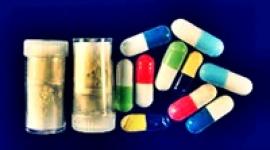
Rohypnol also has characteristics that make it particularly useful for sexual predators. It comes in pill form but dissolves in liquids, where it's tasteless and odorless. In 1997, its manufacturer revised the pill so that it would turn a drink blue when it dissolved. Still, some potential rapists may simply drop the drug into blue tropical drinks to get around this.
This drug is also fast-acting. Within 15 minutes after the drug enters your body, you may become sleepy and relaxed to the extent that you can't fend off an attacker. Rohypnol also can cause anterograde amnesia, rendering you unable to remember what happened while you were drugged. It, too, is even more powerful when mixed with alcohol.
How to protect yourself: Stay vigilant while having fun
Despite the advantage these drugs give to a would-be attacker, there are things you can do to protect yourself from becoming a victim of drug-related rape. One of the best things you can do is to stay aware of your surroundings, particularly at parties and dance clubs. Also follow these tips - recommended by health care providers and law-enforcement professionals familiar with this issue:
- Drink moderately so that you can keep your wits about you.
- Only accept drinks from trusted friends, and make a habit of accepting only unopened drinks and opening them yourself. This goes for alcoholic and nonalcoholic drinks. If you're drinking a mixed drink, always watch the bartender prepare it.
- Drink slowly, rather than gulping your beverage, so that if it has been drugged you may have more time to become aware of it.
- Don't drink from punch bowls and other large, open containers, which may have drugs already added to them.
- If your drink tastes or smells strange, avoid drinking it. Know that GHB has a strong, salty taste.
- Don't leave your drink unattended. Also, hold the drink with your hand covering the opening while your attention is diverted, for example when you're in conversation.
- If you must leave your drink, such as while dancing or using the restroom, get a new one when you return.
- In advance of going out to a club or a party, make plans with your friends to check on each other before leaving the event. Make sure they're alert.
- If you start to feel strange or unusually intoxicated, seek help from a friend. A stranger who offers to help you or escort you from the event could be someone who's slipped you a drug and plans to do you harm.
What to do if you think you've been sexually assaulted
If you think you may have been drugged and victimized, don't wait to seek help, and keep these tips in mind:
- Seek help from the police or a hospital as soon as possible. Tell the authorities that you think you may have been drugged. The sooner you report the incident, the more likely that laboratory tests of your urine may show evidence of any drugs. After 96 hours, such tests may be virtually useless because the drugs have passed from your system.
- Don't urinate before seeking help, if possible. The first urine that leaves your body is the most likely to contain evidence of drugs.
- Don't douche, bathe or change clothes before seeking care. Avoid these activities to help preserve other evidence of sexual assault.
By staying aware of your surroundings, watching what you drink and sticking close to your friends in social situations, you may reduce your risk of ever having to wonder, "What might have happened to me after that last drink?"
APA Reference
Staff, H.
(2021, December 23). Date-Rape Drugs, HealthyPlace. Retrieved
on 2024, April 17 from https://www.healthyplace.com/sex/date-rape/date-rape-drugs