Gastroparesis, A Diabetes Complication

Gastroparesis is a digestive problem, a diabetes complication. Causes, symptoms, treatment of diabetes-related gastroparesis.
What is gastroparesis?
Gastroparesis, also called delayed gastric emptying, is a disorder in which the stomach takes too long to empty its contents. Normally, the stomach contracts to move food down into the small intestine for digestion. The vagus nerve controls the movement of food from the stomach through the digestive tract. Gastroparesis occurs when the vagus nerve is damaged and the muscles of the stomach and intestines do not work normally. Food then moves slowly or stops moving through the digestive tract.
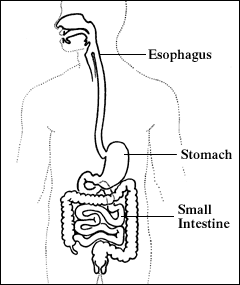
The digestive system
What causes gastroparesis?
The most common cause of gastroparesis is diabetes. People with diabetes have high blood glucose, also called blood sugar, which in turn causes chemical changes in nerves and damages the blood vessels that carry oxygen and nutrients to the nerves. Over time, high blood glucose can damage the vagus nerve.
Some other causes of gastroparesis are
- surgery on the stomach or vagus nerve
- viral infections
- anorexia nervosa or bulimia
- medications—anticholinergics and narcotics—that slow contractions in the intestine
- gastroesophageal reflux disease
- smooth muscle disorders, such as amyloidosis and scleroderma
- nervous system diseases, including abdominal migraine and Parkinson's disease
- metabolic disorders, including hypothyroidism
Many people have what is called idiopathic gastroparesis, meaning the cause is unknown and cannot be found even after medical tests.
What are the symptoms of gastroparesis?
Signs and symptoms of gastroparesis are
- heartburn
- pain in the upper abdomen
- nausea
- vomiting of undigested food—sometimes several hours after a meal
- early feeling of fullness after only a few bites of food
- weight loss due to poor absorption of nutrients or low-calorie intake
- abdominal bloating
- high and low blood glucose levels
- lack of appetite
- gastroesophageal reflux
- spasms in the stomach area
Eating solid foods, high-fiber foods such as raw fruits and vegetables, fatty foods, or drinks high in fat or carbonation may contribute to these symptoms.
The symptoms of gastroparesis may be mild or severe, depending on the person. Symptoms can happen frequently in some people and less often in others. Many people with gastroparesis experience a wide range of symptoms, and sometimes the disorder is difficult for the physician to diagnose.
What are the complications of gastroparesis?
If food lingers too long in the stomach, it can cause bacterial overgrowth from the fermentation of food. Also, the food can harden into solid masses called bezoars that may cause nausea, vomiting, and obstruction in the stomach. Bezoars can be dangerous if they block the passage of food into the small intestine.
Gastroparesis can make diabetes worse by making blood glucose control more difficult. When food that has been delayed in the stomach finally enters the small intestine and is absorbed, blood glucose levels rise. Since gastroparesis makes stomach emptying unpredictable, a person's blood glucose levels can be erratic and difficult to control.
How is gastroparesis diagnosed?
After performing a full physical exam and taking your medical history, your doctor may order several blood tests to check blood counts and chemical and electrolyte levels. To rule out an obstruction or other conditions, the doctor may perform the following tests:
- Upper endoscopy. After giving you a sedative to help you become drowsy, the doctor passes a long, thin tube called an endoscope through your mouth and gently guides it down the throat, also called the esophagus, into the stomach. Through the endoscope, the doctor can look at the lining of the stomach to check for any abnormalities.
- Ultrasound. To rule out gallbladder disease and pancreatitis as sources of the problem, you may have an ultrasound test, which uses harmless sound waves to outline and define the shape of the gallbladder and pancreas.
- Barium x ray. After fasting for 12 hours, you will drink a thick liquid called barium, which coats the stomach, making it show up on the x ray. If you have diabetes, your doctor may have special instructions about fasting. Normally, the stomach will be empty of all food after 12 hours of fasting. Gastroparesis is likely if the x ray shows food in the stomach. Because a person with gastroparesis can sometimes have normal emptying, the doctor may repeat the test another day if gastroparesis is suspected.
Once other causes have been ruled out, the doctor will perform one of the following gastric emptying tests to confirm a diagnosis of gastroparesis.
- Gastric emptying scintigraphy. This test involves eating a bland meal, such as eggs or egg substitute, that contains a small amount of a radioactive substance, called radioisotope, that shows up on scans. The dose of radiation from the radioisotope is not dangerous. The scan measures the rate of gastric emptying at 1, 2, 3, and 4 hours. When more than 10 percent of the meal is still in the stomach at 4 hours, the diagnosis of gastroparesis is confirmed.
- Breath test. After ingestion of a meal containing a small amount of isotope, breath samples are taken to measure the presence of the isotope in carbon dioxide, which is expelled when a person exhales. The results reveal how fast the stomach is emptying.
- SmartPill. Approved by the U.S. Food and Drug Administration (FDA) in 2006, the SmartPill is a small device in capsule form that can be swallowed. The device then moves through the digestive tract and collects information about its progress that is sent to a cell phone-sized receiver worn around your waist or neck. When the capsule is passed from the body with the stool in a couple of days, you take the receiver back to the doctor, who enters the information into a computer.
How is gastroparesis treated?
Treatment of gastroparesis depends on the severity of the symptoms. In most cases, treatment does not cure gastroparesis—it is usually a chronic condition. Treatment helps you manage the condition so you can be as healthy and comfortable as possible.
Medication
Several medications are used to treat gastroparesis. Your doctor may try different medications or combinations to find the most effective treatment. Discussing the risk of side effects of any medication with your doctor is important.
- Metoclopramide (Reglan). This drug stimulates stomach muscle contractions to help emptying. Metoclopramide also helps reduce nausea and vomiting. Metoclopramide is taken 20 to 30 minutes before meals and at bedtime. Side effects of this drug include fatigue, sleepiness, depression, anxiety, and problems with physical movement.
- Erythromycin. This antibiotic also improves stomach emptying. It works by increasing the contractions that move food through the stomach. Side effects include nausea, vomiting, and abdominal cramps.
- Domperidone. This drug works like metoclopramide to improve stomach emptying and decrease nausea and vomiting. The FDA is reviewing domperidone, which has been used elsewhere in the world to treat gastroparesis. Use of the drug is restricted in the United States.
- Other medications. Other medications may be used to treat symptoms and problems related to gastroparesis. For example, an antiemetic can help with nausea and vomiting. Antibiotics will clear up a bacterial infection. If you have a bezoar in the stomach, the doctor may use an endoscope to inject medication into it to dissolve it.
Dietary Changes
Changing your eating habits can help control gastroparesis. Your doctor or dietitian may prescribe six small meals a day instead of three large ones. If less food enters the stomach each time you eat, it may not become overly full. In more severe cases, a liquid or pureed diet may be prescribed.
The doctor may recommend that you avoid high-fat and high-fiber foods. Fat naturally slows digestion—a problem you do not need if you have gastroparesis—and fiber is difficult to digest. Some high-fiber foods like oranges and broccoli contain material that cannot be digested. Avoid these foods because the indigestible part will remain in the stomach too long and possibly form bezoars.
Feeding Tube
If a liquid or pureed diet does not work, you may need surgery to insert a feeding tube. The tube, called a jejunostomy, is inserted through the skin on your abdomen into the small intestine. The feeding tube bypasses the stomach and places nutrients and medication directly into the small intestine. These products are then digested and delivered to your bloodstream quickly. You will receive special liquid food to use with the tube. The jejunostomy is used only when gastroparesis is severe or the tube is necessary to stabilize blood glucose levels in people with diabetes.
Parenteral Nutrition
Parenteral nutrition refers to delivering nutrients directly into the bloodstream, bypassing the digestive system. The doctor places a thin tube called a catheter in a chest vein, leaving an opening to it outside the skin. For feeding, you attach a bag containing liquid nutrients or medication to the catheter. The fluid enters your bloodstream through the vein. Your doctor will tell you what type of liquid nutrition to use.
This approach is an alternative to the jejunostomy tube and is usually a temporary method to get you through a difficult period with gastroparesis. Parenteral nutrition is used only when gastroparesis is severe and is not helped by other methods.
Gastric Electrical Stimulation
A gastric neurostimulator is a surgically implanted battery-operated device that releases mild electrical pulses to help control nausea and vomiting associated with gastroparesis. This option is available to people whose nausea and vomiting do not improve with medications. Further studies will help determine who will benefit most from this procedure, which is available in a few centers across the United States.
Botulinum Toxin
The use of botulinum toxin has been associated with improvement in symptoms of gastroparesis in some patients; however, further research on this form of therapy is needed.
What if I have diabetes and gastroparesis?
The primary treatment goals for gastroparesis related to diabetes are to improve stomach emptying and regain control of blood glucose levels. Treatment includes dietary changes, insulin, oral medications, and, in severe cases, a feeding tube and parenteral nutrition.
Dietary Changes
The doctor will suggest dietary changes such as six smaller meals to help restore your blood glucose to more normal levels before testing you for gastroparesis. In some cases, the doctor or dietitian may suggest you try eating several liquid or pureed meals a day until your blood glucose levels are stable and the symptoms improve. Liquid meals provide all the nutrients found in solid foods, but can pass through the stomach more easily and quickly.
Insulin for Blood Glucose Control
If you have gastroparesis, food is being absorbed more slowly and at unpredictable times. To control blood glucose, you may need to
- take insulin more often or change the type of insulin you take
- take your insulin after you eat instead of before
- check your blood glucose levels frequently after you eat and administer insulin whenever necessary
Your doctor will give you specific instructions for taking insulin based on your particular needs.
Hope through Research
The National Institute of Diabetes and Digestive and Kidney Diseases' Division of Digestive Diseases and Nutrition supports basic and clinical research into gastrointestinal motility disorders, including gastroparesis. Among other areas, researchers are studying whether experimental medications can relieve or reduce symptoms of gastroparesis, such as bloating, abdominal pain, nausea, and vomiting, or shorten the time the stomach needs to empty its contents following a meal.
Points to Remember
- Gastroparesis is the result of damage to the vagus nerve, which controls the movement of food through the digestive system. Instead of moving through the digestive tract normally, the food is retained in the stomach.
- Gastroparesis may occur in people with type 1 diabetes or type 2 diabetes. The vagus nerve becomes damaged after years of high blood glucose, resulting in gastroparesis. In turn, gastroparesis contributes to poor blood glucose control.
- Symptoms of gastroparesis include early fullness, abdominal pain, stomach spasms, heartburn, nausea, vomiting, bloating, gastroesophageal reflux, lack of appetite, and weight loss.
- Gastroparesis is diagnosed with tests such as x rays, manometry, and gastric emptying scans.
- Treatment includes dietary changes, oral medications, adjustments in insulin injections for people with diabetes, a jejunostomy tube, parenteral nutrition, gastric neurostimulators, or botulinum toxin.
For More Information
American College of Gastroenterology
www.acg.gi.org
American Diabetes Association
www.diabetes.org
International Foundation for Functional Gastrointestinal Disorders
www.iffgd.org
The National Digestive Diseases Information Clearinghouse (NDDIC) is a service of the National Institute of Diabetes and Digestive and Kidney Diseases (NIDDK). The NIDDK is part of the National Institutes of Health of the U.S. Department of Health and Human Services.
Source: NIH Publication No. 07-4348, July 2007.
APA Reference
Staff, H.
(2022, January 4). Gastroparesis, A Diabetes Complication, HealthyPlace. Retrieved
on 2024, April 16 from https://www.healthyplace.com/diabetes/complications/diabetes-complications-gastroparesis