What is Ayurvedic Medicine?
Detailed information about Ayurvedic Medicine, how Ayurvedic medicine works and effectiveness of Ayurvedic medicine.
Contents
- Key Points
- What is Ayurvedic medicine?
- What is the history of Ayurvedic medicine?
- How common is the use of Ayurveda in the United States?
- What major beliefs underlie Ayurveda?
- What is each dosha like?
- How does an Ayurvedic practitioner decide on a person's dosha balance?
- How else does an Ayurvedic practitioner work with the patient at first?
- How does an Ayurvedic practitioner treat health problems?
- How are plant products used in Ayurvedic treatment?
- In the United States, how are Ayurvedic practitioners trained and certified?
- Does Ayurveda work?
- Are there concerns about Ayurvedic medicine?
- In sum, what should people do if they are considering or using Ayurveda?
- Is NCCAM supporting any studies on Ayurveda?
Ayurvedic medicine (also called Ayurveda) is one of the world's oldest medical systems. It originated in India and has evolved there over thousands of years. In the United States, Ayurveda is considered complementary and alternative medicine (CAM)--more specifically, a CAM whole medical system.a Many therapies used in Ayurveda are also used on their own as CAM--for example, herbs, massage, and yoga. This Backgrounder will introduce you to Ayurveda's major ideas and practices and provide sources for more information on these or other CAM therapies.
aCAM is a group of diverse medical and health care systems, practices, and products that are not currently considered part of conventional medicine. Complementary medicine is used together with conventional medicine. Alternative medicine is practiced in place of conventional medicine. Conventional medicine is medicine as practiced by holders of M.D. (medical doctor) or D.O. (doctor of osteopathy) degrees and by their allied health professionals. Some conventional medical practitioners also practice CAM. Whole medical systems are healing systems and beliefs that have evolved over time in different cultures and parts of the world.
Key Points
-
The aim of Ayurveda is to integrate and balance the body, mind, and spirit. This is believed to help prevent illness and promote wellness.
-
In Ayurvedic philosophy, people, their health, and the universe are all thought to be related. It is believed that health problems can result when these relationships are out of balance.
-
In Ayurveda, herbs, metals, massage, and other products and techniques are used with the intent of cleansing the body and restoring balance. Some of these products may be harmful when used on their own or when used with conventional medicines.
-
Before you seek care from an Ayurvedic practitioner, ask about the practitioner's training and experience.
-
Tell your health care provider(s) about any CAM therapies you are using, including Ayurveda. This is for your safety and a comprehensive treatment plan.
1. What is Ayurvedic medicine?
Ayurvedic medicine is also called Ayurveda. It is a system of medicine that originated in India several thousand years ago. The term Ayurveda combines two Sanskrit words--ayur, which means life, and veda, which means science or knowledge. Ayurveda means "the science of life."
In the United States, Ayurveda is considered a type of CAM and a whole medical system. As with other such systems, it is based on theories of health and illness and on ways to prevent, manage, or treat health problems. Ayurveda aims to integrate and balance the body, mind, and spirit (thus, some view it as "holistic"). This balance is believed to lead to contentment and health, and to help prevent illness. However, Ayurveda also proposes treatments for specific health problems, whether they are physical or mental. A chief aim of Ayurvedic practices is to cleanse the body of substances that can cause disease, and this is believed to help reestablish harmony and balance.
2. What is the history of Ayurvedic medicine?
Ayurveda is based on ideas from Hinduism, one of the world's oldest and largest religions. Some Ayurvedic ideas also evolved from ancient Persian thoughts about health and healing.
Many Ayurvedic practices were handed down by word of mouth and were used before there were written records. Two ancient books, written in Sanskrit on palm leaves more than 2,000 years ago, are thought to be the first texts on Ayurveda--Caraka Samhita and Susruta Samhita. They cover many topics, including:
- Pathology (the causes of illness)
- Diagnosis
- Treatment
- Surgery (this is no longer part of standard Ayurvedic practice)
- How to care for children
- Lifestyle
- Advice for practitioners, including medical ethics
- Philosophy
Ayurveda has long been the main system of health care in India, although conventional (Western) medicine is becoming more widespread there, especially in urban areas. About 70 percent of India's population lives in rural areas; about two-thirds of rural people still use Ayurveda and medicinal plants to meet their primary health care needs. In addition, most major cities have an Ayurvedic college and hospital. Ayurveda and variations of it have also been practiced for centuries in Pakistan, Nepal, Bangladesh, Sri Lanka, and Tibet. The professional practice of Ayurveda in the United States began to grow and became more visible in the late 20th century.
3. How common is the use of Ayurveda in the United States?
The first national data to answer this question are from a survey released in May 2004 by the National Center for Health Statistics and the National Center for Complementary and Alternative Medicine (NCCAM). More than 31,000 adult Americans were surveyed about their use of CAM, including specific CAM therapies such as Ayurveda. Among the respondents, four-tenths of 1 percent had ever used Ayurveda, and one-tenth of 1 percent had used it in the past 12 months. When these percentages are adjusted to nationally representative numbers, about 751,000 people in the United States had ever used Ayurveda, and 154,000 people had used it within the past 12 months.
4. What major beliefs underlie Ayurveda?
Here is a summary of major beliefs in Ayurveda that pertain to health and disease.
Interconnectedness
Ideas about the relationships among people, their health, and the universe form the basis for how Ayurvedic practitioners think about problems that affect health. Ayurveda holds that:
-
All things in the universe (both living and nonliving) are joined together.
-
Every human being contains elements that can be found in the universe.
-
All people are born in a state of balance within themselves and in relation to the universe.
-
This state of balance is disrupted by the processes of life. Disruptions can be physical, emotional, spiritual, or a combination. Imbalances weaken the body and make the person susceptible to disease.
-
Health will be good if one's interaction with the immediate environment is effective and wholesome.
-
Disease arises when a person is out of harmony with the universe.
Constitution and Health
Ayurveda also has some basic beliefs about the body's constitution. "Constitution" refers to a person's general health, how likely he is to become out of balance, and his ability to resist and recover from disease or other health problems. An overview of these beliefs follows.
-
The constitution is called the prakriti. The prakriti is thought to be a unique combination of physical and psychological characteristics and the way the body functions. It is influenced by such factors as digestion and how the body deals with waste products. The prakriti is believed to be unchanged over a person's lifetime.
-
Three qualities called doshas form important characteristics of the constitution, and control the activities of the body. Practitioners of Ayurveda call the doshas by their original Sanskrit names: vata, pitta, and kapha. It is also believed that:
-
Each dosha is made up of one or two of the five basic elements: space, air, fire, water, and earth.
-
Each dosha has a particular relationship to body functions and can be upset for different reasons.
-
A person has her own balance of the three doshas, although one dosha usually is prominent. Doshas are constantly being formed and reformed by food, activity, and bodily processes.
-
Each dosha is associated with a certain body type, a certain personality type, and a greater chance of certain types of health problems.
-
An imbalance in a dosha will produce symptoms that are related to that dosha and are different from symptoms of an imbalance in another dosha. Imbalances may be caused by an unhealthy lifestyle or diet; too much or too little mental and physical exertion; or not being properly protected from the weather, chemicals, or germs.
-
In summary, it is believed that a person's chances of developing certain types of diseases are related to the way doshas are balanced, the state of the physical body, and mental or lifestyle factors.
5. What is each dosha like?
Here are some important beliefs about the three doshas:
-
The vata dosha is thought to be a combination of the elements space and air. It is considered the most powerful dosha because it controls very basic body processes such as cell division, the heart, breathing, and the mind. Vata can be thrown out of balance by, for example, staying up late at night, eating dry fruit, or eating before the previous meal is digested. People with vata as their main dosha are thought to be especially susceptible to skin, neurological, and mental diseases.
-
The pitta dosha represents the elements fire and water. Pitta is said to control hormones and the digestive system. When pitta is out of balance, a person may experience negative emotions (such as hostility and jealousy) and have physical symptoms (such as heartburn within 2 or 3 hours of eating). Pitta is upset by, for example, eating spicy or sour food; being angry, tired, or fearful; or spending too much time in the sun. People with a predominantly pitta constitution are thought to be susceptible to heart disease and arthritis.
-
The kapha dosha combines the elements water and earth. Kapha is thought to help keep up strength and immunity and to control growth. An imbalance in the kapha dosha may cause nausea immediately after eating. Kapha is aggravated by, for example, sleeping during the daytime, eating too many sweet foods, eating after one is full, and eating and drinking foods and beverages with too much salt and water (especially in the springtime). Those with a predominant kapha dosha are thought to be vulnerable to diabetes, gallbladder problems, stomach ulcers, and respiratory illnesses such as asthma.
6. How does an Ayurvedic practitioner decide on a person's dosha balance?
Practitioners seek to determine the primary dosha and the balance of doshas through questions that allow them to become very familiar with the patient. Not all questions have to do with particular symptoms. The practitioner will:
-
Ask about diet, behavior, lifestyle practices, and the reasons for the most recent illness and symptoms the patient had
-
Carefully observe such physical characteristics as teeth, skin, eyes, and weight
-
Take a person's pulse, because each dosha is thought to make a particular kind of pulse
7. How else does an Ayurvedic practitioner work with the patient at first?
In addition to questioning, Ayurvedic practitioners use observation, touch, therapies, and advising. During an examination, the practitioner checks the patient's urine, stool, tongue, bodily sounds, eyes, skin, and overall appearance. He will also consider the person's digestion, diet, personal habits, and resilience (ability to recover quickly from illness or setbacks). As part of the effort to find out what is wrong, the practitioner may prescribe some type of treatment. The treatment is generally intended to restore the balance of one particular dosha. If the patient seems to improve as a result, the practitioner will provide additional treatments intended to help balance that dosha.
8. How does an Ayurvedic practitioner treat health problems?
The practitioner will develop a treatment plan and may work with people who know the patient well and can help. This helps the patient feel emotionally supported and comforted, which is considered important.
Practitioners expect patients to be active participants in their treatment, because many Ayurvedic treatments require changes in diet, lifestyle, and habits. In general, treatments use several approaches, often more than one at a time. The goals of treatment are to:
-
Eliminate impurities. A process called panchakarma is intended to be cleansing; it focuses on the digestive tract and the respiratory system. For the digestive tract, cleansing may be done through enemas, fasting, or special diets. Some patients receive medicated oils through a nasal spray or inhaler. This part of treatment is believed to eliminate worms or other agents thought to cause disease.
Reduce symptoms. The practitioner may suggest various options, including yoga exercises, stretching, breathing exercises, meditation, and lying in the sun. The patient may take herbs (usually several), often with honey, with the intent to improve digestion, reduce fever, and treat diarrhea. Sometimes foods such as lentil beans or special diets are also prescribed. Very small amounts of metal and mineral preparations also may be given, such as gold or iron. Careful control of these materials is intended to protect the patient from harm.
-
Reduce worry and increase harmony in the patient's life. The patient may be advised to seek nurturing and peacefulness through yoga, meditation, exercise, or other techniques.
-
Help eliminate both physical and psychological problems. Vital points therapy and/or massage may be used to reduce pain, lessen fatigue, or improve circulation. Ayurveda proposes that there are 107 "vital points" in the body where life energy is stored, and that these points may be massaged to improve health. Other types of Ayurvedic massage use medicinal oils.
9. How are plant products used in Ayurvedic treatment?
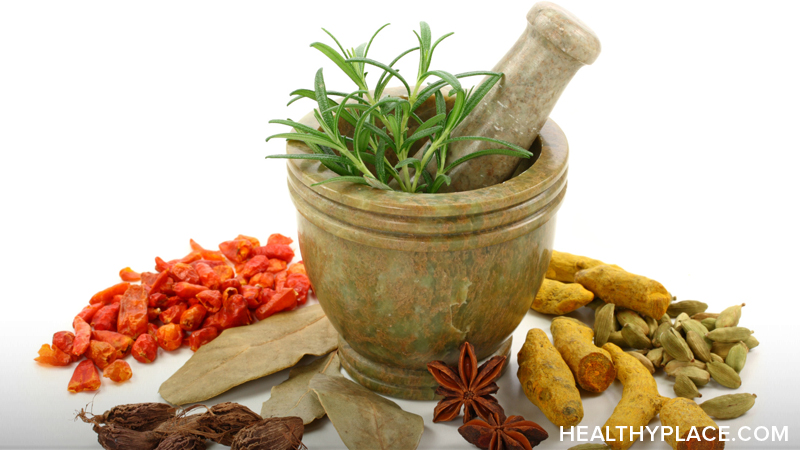
In Ayurveda, the distinction between food and medicine is not as clear as in Western medicine. Food and diet are important components of Ayurvedic practice, and so there is a heavy reliance on treatments based on herbs and plants, oils (such as sesame oil), common spices (such as turmeric), and other naturally occurring substances.
Currently, some 5,000 products are included in the "pharmacy" of Ayurvedic treatments. In recent years, the Indian government has collected and published safety information on a small number of them. Historically, plant compounds have been grouped into categories according to their effects. For example, some compounds are thought to heal, promote vitality, or relieve pain. The compounds are described in many texts prepared through national medical agencies in India.
Below are a few examples of how some botanicals (plants and their products) have been or are currently used in treatment. In some cases, these may be mixed with metals.
-
The spice turmeric has been used for various diseases and conditions, including rheumatoid arthritis, Alzheimer's disease, and wound healing.
-
A mixture (Arogyawardhini) of sulfur, iron, powdered dried fruits, tree root, and other substances has been used to treat problems of the liver.
-
An extract from the resin from a tropical shrub (Commiphora mukul, or guggul) has been used for a variety of illnesses. In recent years, there has been research interest in its use to possibly lower cholesterol.
10. In the United States, how are Ayurvedic practitioners trained and certified?
Practitioners of Ayurveda in the United States have various types of training. Some are trained in the Western medical tradition (such as medical or nursing school) and then study Ayurveda. Others may have training in naturopathic medicine, a whole medical system, either before or after their Ayurvedic training. Many study in India, where there are more than 150 undergraduate and more than 30 postgraduate colleges for Ayurveda. This training can take up to 5 years.
Students who receive all of their Ayurvedic training in India can earn either a bachelor's or doctoral degree. After graduation, they may go to the United States or other countries to practice. Some practitioners are trained in a particular aspect of Ayurvedic practice--for example, massage or meditation--but not in others, such as preparing botanical treatments.
The United States has no national standard for certifying or training Ayurvedic practitioners, although a few states have approved Ayurvedic schools. Some Ayurvedic professional organizations are collaborating to develop licensing requirements.
Consumers interested in Ayurveda should be aware that not every practitioner offering services or treatments called "Ayurvedic" has been trained in an Ayurvedic medical school. Services offered at spas and salons, for example, often fall into this category. If you are seeking Ayurvedic medical treatment, it is important to ask about the practitioner's training and experience (see the NCCAM fact sheet "Selecting a CAM Practitioner").
11. Does Ayurveda work?
Ayurveda includes many types of therapies and is used for many health issues. A summary of the scientific evidence is beyond the scope of this Backgrounder. You can consult the PubMed database on the Internet or contact the NCCAM Clearinghouse (for both resources, see "For More Information") for any research results available on a disease or condition. However, very few rigorous, controlled scientific studies have been carried out on Ayurvedic practices. In India, the government began systematic research in 1969, and the work continues.
12. Are there concerns about Ayurvedic medicine?
Health officials in India and other countries have expressed concerns about certain Ayurvedic practices, especially those involving herbs, metals, minerals, or other materials. Here are some of those concerns:
-
Ayurvedic medications have the potential to be toxic. Many materials used in them have not been thoroughly studied in either Western or Indian research. In the United States, Ayurvedic medications are regulated as dietary supplements (a category of foods; see box below). As such, they are not required to meet the rigorous standards for conventional medicines. An American study published in 2004 found that of 70 Ayurvedic remedies purchased over-the-counter (all had been manufactured in South Asia), 14 (one-fifth) contained lead, mercury, and/or arsenic at levels that could be harmful. Also in 2004, the Centers for Disease Control and Prevention received 12 reports of lead poisoning linked to the use of Ayurvedic medications.
-
Most Ayurvedic medications consist of combinations of herbs and other medicines, so it can be challenging to know which ones are having an effect and why.
-
Whenever two or more medications are used, there is the potential for them to interact with each other. As a result, the effectiveness of at least one may increase or decrease in the body. For example, it is known that guggul lipid (an extract of guggul) may increase the activity of aspirin, which could lead to bleeding problems.
-
Most clinical trials of Ayurvedic approaches have been small, had problems with research designs, lacked appropriate control groups, or had other issues that affected how meaningful the results were.
About Dietary Supplements
Dietary supplements were defined in a law passed by Congress in 1994. A dietary supplement must meet all of the following conditions:
-
It is a product (other than tobacco) intended to supplement the diet, which contains one or more of the following: vitamins; minerals; herbs or other botanicals; amino acids; or any combination of the above ingredients.
-
It is intended to be taken in tablet, capsule, powder, softgel, gelcap, or liquid form.
-
It is not represented for use as a conventional food or as a sole item of a meal or the diet.
-
It is labeled as being a dietary supplement.
Other important information about dietary supplements:
-
They are regulated as foods, not drugs, so there could be quality issues in the manufacturing process.
-
Supplements can interact with prescribed or over-the-counter medicines, and other supplements.
-
"Natural" does not necessarily mean "safe" or "effective."
-
Consult your health care provider before starting a supplement, especially if you are pregnant or nursing, or considering giving a supplement to a child.
13. In sum, what should people do if they are considering or using Ayurveda?
-
Tell your health care provider if you are considering or using Ayurveda or another CAM therapy. This is for your safety and a comprehensive treatment plan. Women who are pregnant or nursing, or people who are thinking of using CAM to treat a child, should be sure to consult their provider
-
It is important to make sure that any diagnosis of a disease or condition has been made by a provider who has substantial conventional medical training and experience with managing that disease or condition.
-
Proven conventional treatments should not be replaced with an unproven CAM treatment.
-
It is better to use Ayurvedic remedies under the supervision of an Ayurvedic medicine practitioner than to try to treat yourself.
-
Ask about the practitioner's training and experience.
-
Tell your provider(s) about any dietary supplements or medications (prescription or over-the-counter) you are using or considering. Prescribed medicines may need to be adjusted if you are also using a CAM therapy. Also, herbal supplements can have safety issues (see NCCAM's fact sheet "Herbal Supplements: Consider Safety, Too").
-
Find out whether any rigorous scientific studies have been done on the therapies you are interested in.
14. Is NCCAM supporting any studies on Ayurveda?
Yes, NCCAM supports studies in this area. For example:
-
Researchers at the University of Pennsylvania School of Medicine tested the effects of guggul lipid on high cholesterol. Over the 6-month period of this study, they did not find that adults with high cholesterol showed any improvement in cholesterol levels. In fact, the levels of low-density lipoproteins (the "bad" cholesterol) increased slightly in some people in the group taking guggul. In addition, some in the guggul lipid group developed a skin rash. This team is conducting further studies on herbal therapies used in Ayurveda for cardiovascular conditions, including curcuminoids (substances found in the root of the plant turmeric).
-
At the NCCAM-supported Center for Phytomedicine Research at the University of Arizona, scientists are investigating three botanicals (ginger, turmeric, and boswellia) used in Ayurvedic medicine to treat inflammatory disorders. They are seeking to better understand these botanicals and determine whether they might be useful in treating arthritis and asthma.
-
A compound from a plant called Mucuna pruriens, also known as cowhage, is being studied at the Cleveland Clinic Foundation. The research team is investigating the compound's potential to prevent or lessen the severe, often disabling side effects that people with Parkinson's disease experience from prolonged treatment with conventional drugs.
References
Sources were drawn primarily from the peer-reviewed medical and scientific literature in English indexed in the National Library of Medicine's PubMed database.
Barnes PM, Powell-Griner E, McFann K, Nahin RL. Complementary and alternative medicine use among adults: United States, 2002. CDC Advance Data Report #343. 2004.
Bhatt AD. Clinical research on Ayurvedic therapies: myths, realities, and challenges. Journal of the Associated Physicians of India. 2001;49:558-562.
Centers for Disease Control and Prevention. Lead poisoning associated with Ayurvedic medications--five states, 2000-2003. Morbidity and Mortality Weekly Report. 2004;53(26):582-584.
Centers for Disease Control and Prevention. Agency for Toxic Substances and Disease Registry. Lead Toxicity: Physiologic Effects. Agency for Toxic Substances and Disease Registry Web site. Accessed on September 1, 2005.
Chopra A, Doiphode VV. Ayurvedic medicine--core-concept, therapeutic principles, and current relevance. Medical Clinics of North America. 2002;86(1):75-88.
Courson WA. State licensure and Ayurvedic practice: planning for the future, managing the present. Newsletter of the National Ayurvedic Medical Association [online journal]. Autumn 2003. Accessed on February 22, 2005.
Dodds JA. Know your CAM provider. Bulletin of the American Academy of Orthopaedic Surgeons/American Association of Orthopaedic Surgeons [online journal]. December 2002. Accessed on September 12, 2005.
Fugh-Berman A. Herb-drug interactions. Lancet. 2000;355(9198):134-138.
Gogtay NJ, Bhatt HA, Dalvi SS, et al. The use and safety of non-allopathic Indian medicines. Drug Safety. 2002;25(14):1005-1019.
Lodha R, Bagga A. Traditional Indian systems of medicine. Annals of the Academy of Medicine, Singapore. 2000;29(1):37-41.
Mishra L, Singh BB, Dagenais S. Healthcare and disease management in Ayurveda. Alternative Therapies in Health and Medicine. 2001;7(2):44-50.
Saper RB, Kales SN, Paquin J, et al. Heavy metal content of Ayurvedic herbal medicine products. Journal of the American Medical Association. 2004;292(23):2868-2873.
Shankar K, Liao LP. Traditional systems of medicine. Physical Medicine and Rehabilitation Clinics of North America. 2004;15:725-747.
Subbarayappa BV. The roots of ancient medicine: an historical outline. Journal of Bioscience. 2001;26(2):135-144.
Szapary PO, Wolfe ML, Bloedon LT, et al. Guggulipid for the treatment of hypercholesterolemia: a randomized controlled trial. Journal of the American Medical Association. 2003;290(6):765-772.
Thompson Coon J, Ernst E. Herbs for serum cholesterol reduction: a systematic review. Journal of Family Practice. 2003;52(6):468-478.
World Health Organization Regional Office for South-East Asia. Health and Behaviours Facts and Figures--Conquering Depression. World Health Organization Regional Office for South-East Asia Web site. Accessed on February 16, 2005.
For More Information NCCAM Clearinghouse
The NCCAM Clearinghouse provides information on CAM and on NCCAM, including publications and database searches. Among its publications are "Herbal Supplements: Consider Safety, Too" and "Selecting a CAM Practitioner." The Clearinghouse does not provide medical advice, treatment recommendations, or referrals to practitioners.
Toll-free in the U.S.: 1-888-644-6226
TTY (for deaf and hard-of-hearing callers): 1-866-464-3615
E-mail: info@nccam.nih.gov
Web site: www.nccam.nih.gov
next:Effective Treatment of Chronic Pain and Insomnia
PubMed
A service of the National Library of Medicine (NLM), PubMed contains publication information and (in most cases) abstracts of articles from biomedical journals. CAM on PubMed, developed jointly by NCCAM and NLM, is a subset of NLM's PubMed system and focuses on the topic of CAM.
PubMed Web site: www.ncbi.nlm.nih.gov/entrez
CAM on PubMed: www.nlm.nih.gov/nccam/camonpubmed.html
MedlinePlus
A National Library of Medicine Web site, MedlinePlus provides extensive information about drugs, an illustrated medical encyclopedia, patient tutorials, and the latest health news.
Web site: www.medlineplus.gov
CRISP (Computer Retrieval of Information on Scientific Projects)
CRISP is a database of federally funded biomedical research projects. It is one source (in addition to ClinicalTrials.gov) for finding out about NIH-sponsored studies on therapies that are part of Ayurveda.
Web site: www.crisp.cit.nih.gov
ClinicalTrials.gov
ClinicalTrials.gov is a federally supported database of information on clinical trials, primarily in the United States and Canada.
Web site: www.clinicaltrials.gov
Acknowledgments
NCCAM thanks the following people for their technical expertise and review of this publication: Bala Manyam, M.D., Texas A&M University System Health Science Center College of Medicine; Cathryn Booth-LaForce, Ph.D., F.A.P.S., R.Y.T., University of Washington School of Nursing; and Jack Killen, M.D., and Craig Carlson, M.P.H., NCCAM.
NCCAM has provided this material for your information. It is not intended to substitute for the medical expertise and advice of your primary health care provider. We encourage you to discuss any decisions about treatment or care with your health care provider. The mention of any product, service, or therapy in this information is not an endorsement by NCCAM.
APA Reference
Staff, H.
(2008, November 14). What is Ayurvedic Medicine?, HealthyPlace. Retrieved
on 2024, April 18 from https://www.healthyplace.com/alternative-mental-health/treatments/what-is-ayurvedic-medicine