Vitamin B12
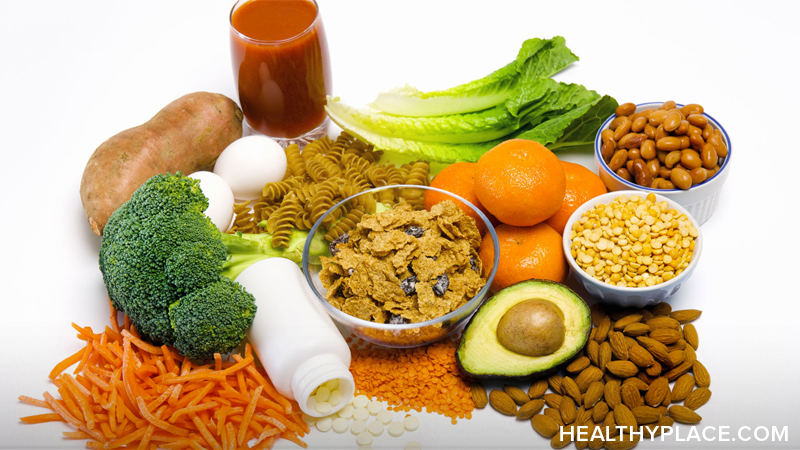
Detailed information about vitamin B12, vitamin B12 deficiency and vitamin B12 supplement.
Dietary Supplement Fact Sheet: Vitamin B12
Table of Contents
- What is vitamin B12?
- What foods provide vitamin B12?
- What is the recommended dietary intake for vitamin B12?
- When is a deficiency of vitamin B12 likely to occur?
- Do pregnant and/or lactating women need extra Vitamin B12?
- Who else may need a vitamin B12 supplement to prevent a deficiency?
- Drug : Nutrient Interactions
- Caution: Folic Acid and vitamin B12 deficiency
- What is the relationship between vitamin B12 homocysteine, and cardiovascular disease?
- Do healthy young adults need a vitamin B12 supplement?
- What is the health risk of too much vitamin B12?
- Selecting a healthful diet
- References
What is vitamin B12?
Vitamin B12 is also called cobalamin because it contains the metal cobalt. This vitamin helps maintain healthy nerve cells and red blood cells [1-4]. It is also needed to help make DNA, the genetic material in all cells [1-4]. Vitamin B12 is bound to the protein in food. Hydrochloric acid in the stomach releases B12 from proteins in foods during digestion. Once released, vitamin B12 combines with a substance called gastric intrinsic factor (IF). This complex can then be absorbed by the intestinal tract.
What foods provide vitamin B12?
Vitamin B12 is naturally found in animal foods including fish, meat, poultry, eggs, milk, and milk products. Fortified breakfast cereals are a particularly valuable source of vitamin B12 for vegetarians [5-7]. Table 1 lists a variety of food sources of vitamin B12.
Table 1: Selected food sources of vitamin B12 [5]
| Food | Micrograms (μg) per serving | Percent DV* |
|---|---|---|
| Mollusks, clam, mixed species, cooked, 3 ounces | 84.1 | 1400 |
| Liver, beef, braised, 1 slice | 47.9 | 780 |
| Fortified breakfast cereals, (100%) fortified), ¾ cup | 6.0 | 100 |
| Trout, rainbow, wild, cooked, 3 ounces | 5.4 | 90 |
| Salmon, sockeye, cooked, 3 ounces | 4.9 | 80 |
| Trout, rainbow, farmed, cooked, 3 ounces | 4.2 | 50 |
| Beef, top sirloin, lean, choice, broiled, 3 ounces | 2.4 | 40 |
| Fast Food, Cheeseburger, regular, double patty & bun, 1 sandwich | 1.9 | 30 |
| Fast Food, Taco, 1 large | 1.6 | 25 |
| Fortified breakfast cereals (25% fortified), ¾ cup | 1.5 | 25 |
| Yogurt, plain, skim, with 13 grams protein per cup, 1 cup | 1.4 | 25 |
| Haddock, cooked, 3 ounces | 1.2 | 20 |
| Clams, breaded & fried, ¾ cup | 1.1 | 20 |
| Tuna, white, canned in water, drained solids, 3 ounces | 1.0 | 15 |
| Milk, 1 cup | 0.9 | 15 |
| Pork, cured, ham, lean only, canned, roasted, 3 ounces | 0.6 | 10 |
| Egg, whole, hard boiled, 1 | 0.6 | 10 |
| American pasteurized cheese food, 1 ounces | 0.3 | 6 |
| Chicken, breast, meat only, roasted, ½ breast | 0.3 | 6 |
*DV = Daily Value. DVs are reference numbers developed by the Food and Drug Administration (FDA) to help consumers determine if a food contains a lot or a little of a specific nutrient. The DV for vitamin B12 is 6.0 micrograms (μg). Most food labels do not list a food's vitamin B12 content. The percent DV (%DV) listed on the table indicates the percentage of the DV provided in one serving. A food providing 5% of the DV or less is a low source while a food that provides 10-19% of the DV is a good source. A food that provides 20% or more of the DV is high in that nutrient. It is important to remember that foods that provide lower percentages of the DV also contribute to a healthful diet. For foods not listed in this table, please refer to the U.S. Department of Agriculture's Nutrient Database Web site: http://www.nal.usda.gov/fnic/cgi-bin/nut_search.pl.
What is the recommended dietary intake for vitamin B12?
Recommendations for vitamin B12 are provided in the Dietary Reference Intakes (DRIs) developed by the Institute of Medicine of the National Academy of Sciences [7]. Dietary Reference Intakes is the general term for a set of reference values used for planning and assessing nutrient intake for healthy people. Three important types of reference values included in the DRIs are Recommended Dietary Allowances (RDA), Adequate Intakes (AI), and Tolerable Upper Intake Levels (UL). The RDA recommends the average daily intake that is sufficient to meet the nutrient requirements of nearly all (97-98%) healthy individuals in each age and gender group [7]. An AI is set when there is insufficient scientific data available to establish a RDA. AIs meet or exceed the amount needed to maintain a nutritional state of adequacy in nearly all members of a specific age and gender group [7]. The UL, on the other hand, is the maximum daily intake unlikely to result in adverse health effects [7]. Table 2 lists the RDAs for vitamin B12, in micrograms (μg), for children and adults.
Table 2: Recommended Dietary Allowances (RDA) for vitamin B12 for children and adults [7]
| Age (years) | Males and Females (μg/day) | Pregnancy (μg/day) | Lactation (μg/day) |
|---|---|---|---|
| 1-3 | 0.9 | N/A | N/A |
| 4-8 | 1.2 | N/A | N/A |
| 9-13 | 1.8 | N/A | N/A |
| 14-18 | 2.4 | 2.6 | 2.8 |
| 19 and older | 2.4 | 2.6 | 2.8 |
There is insufficient information on vitamin B12 to establish a RDA for infants. Therefore, an Adequate Intake (AI) has been established that is based on the amount of vitamin B12 consumed by healthy infants who are fed breast milk [7]. Table 3 lists the Adequate Intakes for vitamin B12, in micrograms (μg), for infants.
Table 3: Adequate Intake for vitamin B12 for infants [7]
| Age (years) | Males and Females (μg/day) | Pregnancy (μg/day) | Lactation (μg/day) |
|---|---|---|---|
| 1-3 | 0.9 | N/A | N/A |
| 4-8 | 1.2 | N/A | N/A |
| 9-13 | 1.8 | N/A | N/A |
| 14-18 | 2.4 | 2.6 | 2.8 |
| 19 and older | 2.4 | 2.6 | 2.8 |
When is a deficiency of vitamin B12 likely to occur?
Results of two national surveys, the National Health and Nutrition Examination Survey (NHANES III-1988-94) [8] and the Continuing Survey of Food Intakes by Individuals (CSFII 1994-96) found that most children and adults in the United States (U.S.) consume recommended amounts of vitamin B12 [6-8]. A deficiency may still occur as a result of an inability to absorb B12 from food and in strict vegetarians who do not consume any animal foods [9]. As a general rule, most individuals who develop a vitamin B12 deficiency have an underlying stomach or intestinal disorder that limits the absorption of vitamin B12 [10]. Sometimes the only symptom of these intestinal disorders is subtly reduced cognitive function resulting from early B12 deficiency. Anemia and dementia follow later [1,11].
Signs, symptoms, and health problems associated with vitamin B12 deficiency
-
Characteristic signs, symptoms, and health problems associated with B12 deficiency include anemia, fatigue, weakness, constipation, loss of appetite, and weight loss [1,3,12].
-
Deficiency also can lead to neurological changes such as numbness and tingling in the hands and feet [7,13].
-
Additional symptoms of B12 deficiency are difficulty in maintaining balance, depression, confusion, dementia, poor memory, and soreness of the mouth or tongue [14].
-
Signs of vitamin B12 deficiency in infancy include failure to thrive, movement disorders, delayed development, and megaloblastic anemia [15].
Many of these symptoms are very general and can result from a variety of medical conditions other than vitamin B12 deficiency. It is important to have a physician evaluate these symptoms so that appropriate medical care can be given.
Do pregnant and/or lactating women need extra Vitamin B12?
During pregnancy, nutrients travel from mother to fetus through the placenta. Vitamin B12, like other nutrients, is transferred across the placenta during pregnancy. Breast-fed infants receive their nutrition, including vitamin B12, through breast milk. Vitamin B12 deficiency in infants is rare but can occur as a result of maternal insufficiency [15]. For example, breast-fed infants of women who follow strict vegetarian diets have very limited reserves of vitamin B12 and can develop a vitamin B12 deficiency within months of birth [7,16]. This is of particular concern because undetected and untreated vitamin B12 deficiency in infants can result in permanent neurologic damage. Consequences of such neurologic damage are severe and can be irreversible. Mothers who follow a strict vegetarian diet should consult with a pediatrician regarding appropriate vitamin B12 supplementation for their infants and children [7]. They should also discuss their own need for vitamin B12 supplementation with their personal physician.
Who else may need a vitamin B12 supplement to prevent a deficiency?
Individuals with pernicious anemia or with gastrointestinal disorders may benefit from or require a vitamin B12 supplement.
-
Older adults and vegetarians may benefit from a vitamin B12 supplement or an increased intake of foods fortified with vitamin B12.
-
Some medications may decrease absorption of vitamin B12. Chronic use of those medications may result in a need for supplemental B12.
Individuals with pernicious anemia
Anemia is a condition that occurs when there is insufficient hemoglobin in red blood cells to carry oxygen to cells and tissues. Common signs and symptoms of anemia include fatigue and weakness. Anemia can result from a variety of medical problems, including deficiencies of vitamin B12, vitamin B6, folate and iron. Pernicious anemia is the name given more than a century ago to describe the then-fatal vitamin B12 deficiency anemia that results from severe gastric atrophy, a condition that prevents gastric cells from secreting intrinsic factor. Intrinsic factor is a substance normally present in the stomach. Vitamin B12 must bind with intrinsic factor before it can be absorbed and used by your body [7,17-18]. An absence of intrinsic factor prevents normal absorption of B12 and results in pernicious anemia.
Most individuals with pernicious anemia need parenteral (deep subcutaneous) injections (shots) of vitamin B12 as initial therapy to replenish depleted body B12 stores. Body stores of vitamin B12 can then be managed by a daily oral supplement of B12. A physician will manage the treatment required to maintain the vitamin B12 status of individuals with pernicious anemia.
Individuals with gastrointestinal disorders
Individuals with stomach and small intestinal disorders may be unable to absorb enough vitamin B12 from food to maintain healthy body stores [19]. Intestinal disorders that may result in malabsorption of vitamin B12 include:
-
Sprue, often referred to as Celiac Disease (CD), is a genetic disorder. People with CD are intolerant to a protein called gluten. In CD, gluten can trigger damage to the small intestines, where most nutrient absorption occurs. People with CD often experience nutrient malabsorption. They need to follow a gluten free diet to avoid malabsorption and other symptoms of CD.
-
Crohn's Disease is an inflammatory bowel disease that affects the small intestines. People with Crohn's disease often experience diarrhea and nutrient malabsorption.
-
Surgical procedures in the gastrointestinal tract, such as surgery to remove all or part of the stomach, often result in a loss of cells that secrete stomach acid and intrinsic factor [7,20-21]. Surgical removal of the distal ileum, a section of the intestines, also can result in the inability to absorb vitamin B12. Anyone who has had either of these surgeries usually requires lifelong supplemental B12 to prevent a deficiency. These individuals would be under the routine care of a physician, who would periodically evaluate vitamin B12 status and recommend appropriate treatment.
Older adults
Gastric acid helps release vitamin B12 from the protein in food. This must occur before B12 binds with intrinsic factor and is absorbed in your intestines. Atrophic gastritis, which is an inflammation of the stomach, decreases gastric secretion. Less gastric acid decreases the amount of B12 separated from proteins in foods and can result in poor absorption of vitamin B12 [10,22-26]. Decreased gastric secretion also results in overgrowth of normal bacterial flora in the small intestines. The bacteria may take up vitamin B12 for their own use, further contributing to a vitamin B12 deficiency [27].
Up to 30 percent of adults 50 years and older may have atrophic gastritis, an overgrowth of intestinal flora, and be unable to normally absorb vitamin B12 in food. They are, however, able to absorb the synthetic B12 added to fortified foods and dietary supplements. Vitamin supplements and fortified foods may be the best sources of vitamin B12 for adults over the age of 50 [7].
Researchers have long been interested in the potential connection between vitamin B12 deficiency and dementia [28]. A recent review examined correlations between cognitive skills, homocysteine levels, and blood levels of folate, vitamin B12 and vitamin B6. The authors suggested that vitamin B12 deficiency may decrease levels of substances needed for the metabolism of neurotransmitters [29]. Neurotransmitters are chemicals that transmit nerve signals. Reduced levels of neurotransmitters may result in cognitive impairment. In 142 individuals considered at risk for dementia, researchers found that a daily supplement providing 2 milligrams (mg) folic acid and 1 mg B12, taken for 12 weeks, lowered homocysteine levels by 30%. They also demonstrated that cognitive impairment was significantly associated with elevated plasma total homocysteine. However, the decrease in homocysteine levels seen with vitamin supplementation did not improve cognition [30]. It is too soon to make any recommendations, but is an intriguing area of research.
Vegetarians
The popularity of vegetarian diets has risen along with an interest in avoiding meat and meat products for environmental, philosophical, and health reasons. However, the term vegetarianism is subject to a wide range of interpretations. Some people consider themselves to be vegetarian when they avoid red meat. Others believe that vegetarianism requires avoidance of all animal products, including meat, poultry, fish, eggs, and dairy foods. The most commonly described forms of vegetarianism include:
-
"Lacto-ovo vegetarians", who avoid meat, poultry, and fish products but consume eggs and dairy foods
-
"Strict vegetarians", who avoid meat, poultry, fish, eggs, and dairy foods
-
"Vegans", who avoid meat, poultry, fish, eggs, and dairy foods but also do not use animal products such as honey, leather, fur, silk, and wool
Strict vegetarians and vegans are at greater risk of developing vitamin B12 deficiency than lacto-ovo vegetarians and non-vegetarians because natural food sources of vitamin B12 are limited to animal foods [7]. Fortified cereals are one of the few sources of vitamin B12 from plants, and are an important dietary source of B12 for strict vegetarians and vegans. Strict vegetarians and vegans who do not consume plant foods fortified with vitamin B12 need to consider taking a dietary supplement that contains vitamin B12 and should discuss the need for B12 supplementation with their physician.
There is wide belief that vitamin B12 can be consistently obtained from nutritional yeasts. Consumers should be aware that these products may or may not contain added nutrients such as vitamin B12. Dietary supplements are regulated as foods rather than drugs, and companies that sell supplements such as nutritional yeasts fortified with vitamin B12 can legally change their formulation at any time. If you choose to supplement, select reliable sources of vitamin B12 and read product labels carefully.
When adults adopt a strict vegetarian diet, deficiency symptoms can be slow to appear. It may take years to deplete normal body stores of B12. However, breast-fed infants of women who follow strict vegetarian diets have very limited reserves of vitamin B12 and can develop a vitamin B12 deficiency within months [7]. This is of particular concern because undetected and untreated vitamin B12 deficiency in infants can result in permanent neurologic damage. Consequences of such neurologic damage are severe and can be irreversible. There are many case reports in the literature of infants and children who suffered consequences of vitamin B12 deficiency. It is very important for mothers who follow a strict vegetarian diet to consult with a pediatrician regarding appropriate vitamin B12 supplementation for their infants and children [7].
Drug : Nutrient Interactions
Table 4 summarizes several drugs that potentially influence vitamin B12 absorption.
Table 4: Important vitamin B12/drug interactions
| Drug | Potential Interaction |
|---|---|
| Proton Pump Inhibitors (PPIs) are used to treat gastroesophageal reflux disease (GERD) and peptic ulcer disease. Examples of PPIs are Omeprazole (Prilosec©) and Lansoprazole (Prevacid©) | PPI medications can interfere with vitamin B12 absorption from food by slowing the release of gastric acid into the stomach [31-33]. This is a concern because acid is needed to release vitamin B12 from food prior to absorption. So far, however, there is no evidence that these medications promote vitamin B12 deficiency, even after long-term use [34]. |
| H2 receptor antagonists are used to treat peptic ulcer disease. Examples are Tagament©, Pepsid©, and Zantac© | H2 receptor antagonists can interfere with vitamin B12 absorption from food by slowing the release of gastric acid into the stomach. This is a concern because acid is needed to release vitamin B12 from food prior to absorption. So far, however, there is no evidence that these medications promote vitamin B12 deficiency, even after long-term use [34]. |
| Metformin© is a drug used to treat diabetes. | Metformin© may interfere with calcium metabolism [35]. This may indirectly reduce vitamin B12 absorption because vitamin B12 absorption requires calcium [35]. Surveys suggest that from 10% to 30% of patients taking Metformin© have evidence of reduced vitamin B12 absorption [35]. |
In a study involving 21 subjects with type 2 diabetes, researchers found that 17 who were prescribed Metformin© experienced a decrease in vitamin B12 absorption. Researchers also found that supplementation with calcium carbonate (1200 milligrams per day) helped limit the effect of Metformin© on vitamin B12 absorption in these individuals [35].
Although these medications may interact with the absorption of vitamin B12, they are necessary to take for certain conditions. It is important to consult with a physician and registered dietitian to discuss the best way to maintain vitamin B12 status when taking these medications.
Caution: Folic Acid and vitamin B12 deficiency
Folic acid can correct the anemia that is caused by vitamin B12 deficiency. Unfortunately, folic acid will not correct the nerve damage also caused by B12 deficiency [1,36]. Permanent nerve damage can occur if vitamin B12 deficiency is not treated. Folic acid intake from food and supplements should not exceed 1,000 micrograms (μg) daily in healthy individuals because large amounts of folic acid can trigger the damaging effects of vitamin B12 deficiency [7]. Adults older than 50 years who take a folic acid supplement should ask their physician or qualified health care provider about their need for vitamin B12 supplementation.
What is the relationship between vitamin B12 homocysteine, and cardiovascular disease?
Cardiovascular disease involves any disorder of the heart and blood vessels that make up the cardiovascular system. Coronary heart disease occurs when blood vessels which supply the heart become clogged or blocked, increasing the risk of a heart attack. Vascular damage can also occur to blood vessels supplying the brain, and can result in a stroke.
Cardiovascular disease is the most common cause of death in industrialized countries such as the U.S., and is on the rise in developing countries. The National Heart, Lung, and Blood Institute of the National Institutes of Health has identified many risk factors for cardiovascular disease, including an elevated LDL-cholesterol level, high blood pressure, a low HDL-cholesterol level, obesity, and diabetes [37]. In recent years, researchers have identified another risk factor for cardiovascular disease, an elevated homocysteine level. Homocysteine is an amino acid normally found in blood, but elevated levels have been linked with coronary heart disease and stroke [38-47]. Elevated homocysteine levels may impair endothelial vasomotor function, which determines how easily blood flows through blood vessels. High levels of homocysteine also may damage coronary arteries and make it easier for blood clotting cells called platelets to clump together a form a clot, which may lead to a heart attack [43].
Vitamin B12, folate, and vitamin B6 are involved in homocysteine metabolism. In fact, a deficiency of vitamin B12, folate, or vitamin B6 may increase blood levels of homocysteine. Recent studies found that supplemental vitamin B12 and folic acid decreased homocysteine levels in subjects with vascular disease and in young adult women. The most significant drop in homocysteine level was seen when folic acid was taken alone [48-49]. A significant decrease in homocysteine levels also occurred in older men and women who took a multivitamin/ multimineral supplement for 56 days [50]. The supplement taken provided 100% of Daily Values (DVs) for nutrients in the supplement.
Evidence supports a role for supplemental folic acid and vitamin B12 for lowering homocysteine levels, however this does not mean that these supplements will decrease the risk of cardiovascular disease. Clinical intervention trials are underway to determine whether supplementation with folic acid, vitamin B12, and vitamin B6 can lower risk of coronary heart disease. It is premature to recommend vitamin B12 supplements for the prevention of heart disease until results of ongoing randomized, controlled clinical trials positively link increased vitamin B12 intake from supplements with decreased homocysteine levels AND decreased risk of cardiovascular disease.
Do healthy young adults need a vitamin B12 supplement?
It is generally accepted that older adults are at greater risk of developing a vitamin B12 deficiency than younger adults. One study, however, suggests that the prevalence of B12 deficiency in young adults may be greater than previously thought. This study found that the percentage of subjects in three age groups (26 to 49y, 50 to 64y, and 65y and older) with deficient blood levels of vitamin B12 was similar across all age groups but that symptoms of B12 deficiency were not as apparent in younger adults. This study also suggested that those who did not take a supplement containing vitamin B12 were twice as likely to be B12 deficient as supplement users, regardless of age group. However, non-supplement users who consumed fortified cereal more than 4 times per week did appear to be protected from deficient blood levels of B12. Better tools and standards to diagnose B12 deficiencies are needed to make specific recommendations about the appropriateness of vitamin B12 supplements for younger adults [51].
What is the health risk of too much vitamin B12?
The Institute of Medicine of the National Academy of Sciences did not establish a Tolerable Upper Intake Level for this vitamin because Vitamin B12 has a very low potential for toxicity. The Institute of Medicine states that "no adverse effects have been associated with excess vitamin B12 intake from food and supplements in healthy individuals" [7]. In fact, the Institute recommends that adults over 50 years of age get most of their vitamin B12 from vitamin supplements or fortified food because of the high incidence of impaired absorption of B12 from animal foods in this age group [7].
Selecting a healthful diet
As the 2000 Dietary Guidelines for Americans states, "Different foods contain different nutrients and other healthful substances. No single food can supply all the nutrients in the amounts you need" [52]. For more information about building a healthful diet, refer to the Dietary Guidelines for Americans http://www.usda.gov/cnpp/DietGd.pdf [52] and the US Department of Agriculture's Food Guide Pyramid http://www.nal.usda.gov/fnic/Fpyr/pyramid.html [53].
Source: Office of Dietary Supplements, National Institutes of Health
back to:Alternative Medicine Home ~ Alternative Medicine Treatments
References
- 1 Herbert V. Vitamin B12 in Present Knowledge in Nutrition. 17th ed. Washington, D.C.: International Life Sciences Institute Press, 1996.
- 2 Herbert V and Das K. Vitamin B12 in Modern Nutrition in health and disease. 8th ed. Baltimore: Williams & Wilkins, 1994.
- 3 Combs G. Vitamin B12 in The Vitamins. New York: Academic Press, Inc, 1992.
- 4 Zittoun J and Zittoun R. Modern clinical testing strategies in cobalamin and folate deficiency. Sem Hematol 1999;36:35-46. [PubMed abstract]
- 5 U.S. Department of Agriculture, Agricultural Research Service. 2003. USDA Nutrient Database for Standard Reference, Release 16. Nutrient Data Laboratory Home Page, http://www.nal.usda.gov/fnic/cgi-bin/nut_search.pl.
- 6 Subar AF, Krebs-Smith SM, Cook A, Kahle LL. Dietary sources of nutrients among US adults, 1989 to 1991. J Am Diet Assoc 1998;98:537-47. [PubMed abstract]
- 7 Institute of Medicine. Food and Nutrition Board. Dietary Reference Intakes: Thiamin, riboflavin, niacin, vitamin B6, folate, vitamin B12, pantothenic acid, biotin, and choline. National Academy Press. Washington, DC, 1998.
- 8 Bialostosky K, Wright JD, Kennedy-Stephenson J, McDowell M, Johnson CL. Dietary intake of macronutrients, micronutrients and other dietary constituents: United States 1988-94. Vital Heath Stat. 11(245) ed: National Center for Health Statistics , 2002.
- 9 Markle HV. Cobalamin. Crit Rev Clin Lab Sci 1996;33:247-356. [PubMed abstract]
- 10 Carmel R. Cobalamin, the stomach, and aging. Am J Clin Nutr 1997;66:750-9. [PubMed abstract]
- 11 Nourhashemi F, Gillette-Guyonnet S, Andrieu S, Shisolfi A, Ousset PJ, Grandjean H, Grand A, Pous J, Vellas B, Albarede JL. Alzheimer disease: protective factors. Am J of Clinical Nutrition 2000; 71: 643S-9S.
- 12 Bernard MA, Nakonezny PA, Kashner TM. The effect of vitamin B12 deficiency on older veterans and its relationship to health. J Am Geriatr Soc 1998;46:1199-206. [PubMed abstract]
- 13 Healton EB, Savage DG, Brust JC, Garrett TF, Lindenbaum J. Neurological aspects of cobalamin deficiency. Medicine 1991;70:229-244. [PubMed abstract]
- 14 Bottiglieri T. Folate, vitamin B12, and neuropsychiatric disorders. Nutr Rev 1996;54:382-90. [PubMed abstract]
- 15 Monsen ALB and Ueland PM. Homocysteine and methylmalonic acid in diagnosis and risk assessment from infancy to adolescent. American Journal of Clinical Nutrition 2003; 78:7-21.
- 16 von Schenck U, Bender-Gotze C, Koletzko B. Persistence of neurological damage induced by dietary vitamin B12 deficiency in infancy. Arch Dis Childhood 1997;77:137-9.
- 17 Gueant JL, Safi A, Aimone-Gastin I, Rabesona H, Bronowicki J P, Plenat F, Bigard MA, Heartle T. Autoantibodies in pernicious anemia type I patients recognize sequence 251-256 in human intrinsic factor. Proc Assoc Am Physicians 1997;109:462-9. [PubMed abstract]
- 18 Kapadia CR. Vitamin B12 in health and disease: part I--inherited disorders of function, absorption, and transport. Gastroenterologist 1995;3:329-44. [PubMed abstract]
- 19 Carmel R. Malabsorption of food cobalamin. Baillieres Clin Haematol 1995;8:639-55. [PubMed abstract]
- 20 Sumner AE, Chin MM, Abraham JL, Gerry GT, Allen RH, Stabler SP. Elevated methylmalonic acid and total homocysteine levels show high prevalence of vitamin B12 deficiency after gastric surgery. Ann Intern Med 1996;124:469-76. [PubMed abstract]
- 21 Brolin RE, Gorman JH, Gorman RC, Petschenik A J, Bradley L J, Kenler H A, Cody R P. Are vitamin B12 and folate deficiency clinically important after roux-en-Y gastric bypass? J Gastrointest Surg 1998;2:436-42. [PubMed abstract]
- 22 Huritz A, Brady DA, Schaal SE, Samloff IM, Dedon J, Ruhl CE. Gastric acidity in older adults. J Am Med Assoc 1997;278:659-62. [PubMed abstract]
- 23 Andrews GR, Haneman B, Arnold BJ, Booth JC, Taylor K. Atrophic gastritis in the aged. Australas Ann Med 1967;16:230-5. [PubMed abstract]
- 24 Johnsen R, Bernersen B, Straume B, Forder OH, Bostad L, Burhol PG. Prevalence of endoscopic and histological findings in subjects with and without dyspepsia. Br Med J 1991;302:749-52. [PubMed abstract]
- 25 Krasinski SD, Russell R, Samloff IM, Jacob RA, Dalal GE, McGandy RB, Hartz SC. Fundic atrophic gastritis in an elderly population: Effect on hemoglobin and several serum nutritional indicators. J Am Geriatr Soc 1986;34:800-6. [PubMed abstract]
- 26 Carmel R. Prevalence of undiagnosed pernicious anemia in the elderly. Arch Intern Med 1996;156:1097-100. [PubMed abstract]
- 27 Suter PM, Golner BB, Goldin BR, Morrow FD, Russel RM. Reversal of protein-bound vitamin B12 malabsorption with antibiotics in atrophic gastritis. Gastroenterology 1991; 101:1039-45.
- 28 Carmel R. Megaloblastic anemias. Curr Opin Hematol 1994;1:107-12. [PubMed abstract]
- 29 Hutto BR. Folate and cobalamin in psychiatric illness. Comprehensive Psychiatry 1997;38:305-14.
- 30 Vital Trial Collaborative Group. Effect of vitamins and aspirin on markers of platelet activation, oxidative stress and homocysteine in people at high risk of dementia. Journal of Internal Medicine 2003; 254:67-75.
- 31 Bradford GS and Taylor CT. Omeprazole and vitamin B12 deficiency. Annals of Pharmacotherapy 1999;33:641-3
- 32 Kasper H. Vitamin absorption in the elderly. International Journal of Vitamin and Nutrition Research 1999;69:169-72.
- 33 Howden CW. Vitamin B12 levels during prolonged treatment with proton pump inhibitors. J Clin Gastroenterol 2000;30:29-33.
- 34 Termanini B, Gibril F, Sutliff VE, Yu F, Venzon DJ, Jensen RT. Effect of Long-Term Gastric Acid Suppressive Therapy on Serum Vitamin B12 Levels in Patients with Zollinger-Ellison Syndrome. American Journal of Medicine 1998; 104: 422-30.
- 35 Bauman WA, Shaw S, Jayatilleke K, Spungen AM, Herbert V. Increased intake of calcium reverses the B12 malabsorption induced by metformin. Diabetes Care 2000;23:1227-31.
- 36 Chanarin I. Adverse effects of increased dietary folate. Relation to measures to reduce the incidence of neural tube defects. Clin Invest Med 1994;17:244-52.
- 37 Third Report of the National Cholesterol Education Program Expert Panel on Detection, Evaluation, and Treatment of High Blood Cholesterol in Adults (Adult Treatment Panel III). National Cholesterol Education Program, NationalHeart, Lung, and Blood Institute, National Institues of Health, September 2002. NIH Publication No. 02-5215.
- 38 Selhub J, Jacques PF, Bostom AG, D'Agostino RB, Wilson PW, Belanger AJ, O'Leary DH, Wolf PA, Scaefer EJ, Rosenberg IH. Association between plasma homocysteine concentrations and extracranial carotid-artery stenosis. N Engl J Med 1995;332:286-91. [PubMed abstract]
- 39 Rimm EB, Willett WC, Hu FB, Sampson L, Colditz G A, Manson J E, Hennekens C, Stampfer M J. Folate and vitamin B6 from diet and supplements in relation to risk of coronary heart disease among women. J Am Med Assoc 1998;279:359-64. [PubMed abstract]
- 40 Refsum H, Ueland PM, Nygard O, Vollset SE. Homocysteine and cardiovascular disease. Annu Rev Med 1998;49:31-62. [PubMed abstract]
- 41 Boers GH. Hyperhomocysteinemia: A newly recognized risk factor for vascular disease. Neth J Med 1994;45:34-41. [PubMed abstract]
- 42 Selhub J, Jacques PF, Wilson PF, Rush D, Rosenberg IH. Vitamin status and intake as primary determinants of homocysteinemia in an elderly population. J Am Med Assoc 1993;270:2693-8. [PubMed abstract]
- 43 Malinow MR. Plasma homocyst(e)ine and arterial occlusive diseases: A mini-review. Clin Chem 1995;41:173-6. [PubMed abstract]
- 44 Flynn MA, Herbert V, Nolph GB, Krause G. Atherogenesis and the homocysteine-folate-cobalamin triad: do we need standardized analyses? J Am Coll Nutr 1997;16:258-67. [PubMed abstract]
- 45 Fortin LJ, Genest J, Jr. Measurement of homocyst(e)ine in the prediction of arteriosclerosis. Clin Biochem 1995;28:155-62. [PubMed abstract]
- 46 Siri PW, Verhoef P, Kok FJ. Vitamins B6, B12, and folate: Association with plasma total homocysteine and risk of coronary atherosclerosis. J Am Coll Nutr 1998;17:435-41. [PubMed abstract]
- 47 Ubbink JB, van der Merwe A, Delport R, Allen R H, Stabler S P, Riezler R, Vermaak WJ. The effect of a subnormal vitamin B6 status on homocysteine metabolism. J Clin Invest 1996;98:177-84. [PubMed abstract]
- 48 Bronstrup A, Hages M, Prinz-Langenohl R, Pietrzik K. Effects of folic acid and combinations of folic acid and vitamin B12 on plasma homocysteine concentrations in healthy, young women. Am J Clin Nutr 1998;68:1104-10.
- 49 Clarke R. Lowering blood homocysteine with folic acid based supplements. Brit Med Journal 1998:316: 894-8.
- 50 McKay DL, Perrone G, Rasmussen H, Dallal G, Blumberg JB. Multivitamin/Mineral Supplementation Improves Plasma B-Vitamin Status and Homocysteine Concentration in Healthy Older Adults Consuming a Folate-Fortified Diet. Journal of Nutrition 2000;130:3090-6.
- 51 Tucker KL, Rich S, Rosenberg I, Jacques P, Dallal G, Wilson WF, Selhub. J. Plasma vitamin B12 concentrations relate to intake source in the Framingham Offspring Study. Am J Clin Nutr 2000;71:514-22.
- 52 Dietary Guidelines Advisory Committee, Agricultural Research Service, United States Department of Agriculture (USDA). HG Bulletin No. 232, 2000. http://www.usda.gov/cnpp/DietGd.pdf .
- 53 Center for Nutrition Policy and Promotion, United Stated Department of Agriculture. Food Guide Pyramid, 1992 (slightly revised 1996). http://www.nal.usda.gov/fnic/Fpyr/pyramid.html.
Disclaimer
Reasonable care has been taken in preparing this document and the information provided herein is believed to be accurate. However, this information is not intended to constitute an "authoritative statement" under Food and Drug Administration rules and regulations.
General Safety Advisory
Health professionals and consumers need credible information to make thoughtful decisions about eating a healthful diet and using vitamin and mineral supplements. To help guide those decisions, registered dietitians at the NIH Clinical Center developed a series of Fact Sheets in conjunction with ODS. These Fact Sheets provide responsible information about the role of vitamins and minerals in health and disease. Each Fact Sheet in this series received extensive review by recognized experts from the academic and research communities.
The information is not intended to be a substitute for professional medical advice. It is important to seek the advice of a physician about any medical condition or symptom. It is also important to seek the advice of a physician, registered dietitian, pharmacist, or other qualified health professional about the appropriateness of taking dietary supplements and their potential interactions with medications.
back to: Alternative Medicine Home ~ Alternative Medicine Treatments
APA Reference
Staff, H.
(2008, November 24). Vitamin B12, HealthyPlace. Retrieved
on 2024, April 23 from https://www.healthyplace.com/alternative-mental-health/treatments/vitamin-b12