Valerian Root
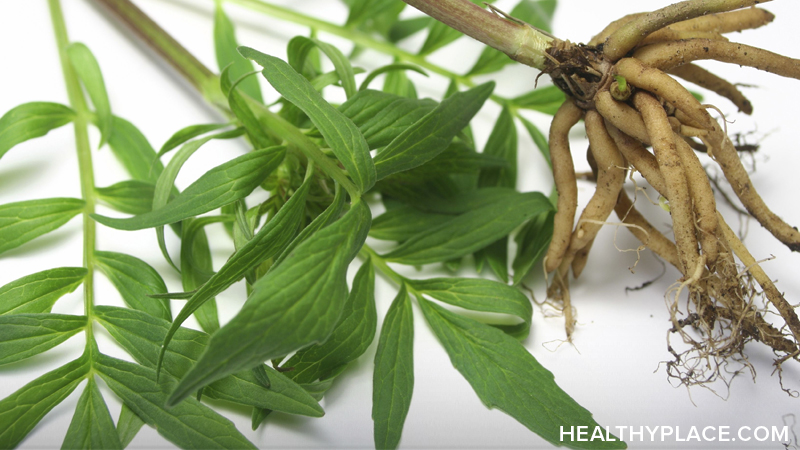
Detailed information on valerian root to treat insomnia and sleep disorders, including side-effects of valerian.
Questions and Answers About Valerian for Insomnia and Other Sleep Disorders
Table of Contents
- Key points
- What is valerian?
- What are common valerian preparations?
- What are the historical uses of valerian?
- What clinical studies have been done on valerian and sleep disorders?
- How does valerian work?
- What is the regulatory status of valerian in the United States?
- Can valerian be harmful?
- Who should not take valerian?
- Does valerian interact with any drugs or affect laboratory tests?
- What are some additional sources of scientific information on valerian?
- References
Key points
This fact sheet provides an overview of the use of valerian for insomnia and other sleep disorders and contains the following key information:
-
Valerian is an herb sold as a dietary supplement in the United States.
-
Valerian is a common ingredient in products promoted as mild sedatives and sleep aids for nervous tension and insomnia.
-
Evidence from clinical studies of the efficacy of valerian in treating sleep disorders such as insomnia is inconclusive.
-
Constituents of valerian have been shown to have sedative effects in animals, but there is no scientific agreement on valerian's mechanisms of action.
-
Although few adverse events have been reported, long-term safety data are not available.
What is valerian?
Valerian (Valeriana officinalis), a member of the Valerianaceae family, is a perennial plant native to Europe and Asia and naturalized in North America [1]. It has a distinctive odor that many find unpleasant [2,3]. Other names include setwall (English), Valerianae radix (Latin), Baldrianwurzel (German), and phu (Greek). The genus Valerian includes over 250 species, but V. officinalis is the species most often used in the United States and Europe and is the only species discussed in this fact sheet [3,4].
What are common valerian preparations?
Preparations of valerian marketed as dietary supplements are made from its roots, rhizomes (underground stems), and stolons (horizontal stems). Dried roots are prepared as teas or tinctures, and dried plant materials and extracts are put into capsules or incorporated into tablets [5].
There is no scientific agreement as to the active constituents of valerian, and its activity may result from interactions among multiple constituents rather than any one compound or class of compounds [6]. The content of volatile oils, including valerenic acids; the less volatile sesquiterpenes; or the valepotriates (esters of short-chain fatty acids) is sometimes used to standardize valerian extracts. As with most herbal preparations, many other compounds are also present.
Valerian is sometimes combined with other botanicals [5]. Because this fact sheet focuses on valerian as a single ingredient, only clinical studies evaluating valerian as a single agent are included.
What are the historical uses of valerian?
Valerian has been used as a medicinal herb since at least the time of ancient Greece and Rome. Its therapeutic uses were described by Hippocrates, and in the 2nd century, Galen prescribed valerian for insomnia [5,7]. In the 16th century, it was used to treat nervousness, trembling, headaches, and heart palpitations [8]. In the mid-19th century, valerian was considered a stimulant that caused some of the same complaints it is thought to treat and was generally held in low esteem as a medicinal herb [2]. During World War II, it was used in England to relieve the stress of air raids [9].
In addition to sleep disorders, valerian has been used for gastrointestinal spasms and distress, epileptic seizures, and attention deficit hyperactivity disorder. However, scientific evidence is not sufficient to support the use of valerian for these conditions [10].
What clinical studies have been done on valerian and sleep disorders?
In a systematic review of the scientific literature, nine randomized, placebo-controlled, double-blind clinical trials of valerian and sleep disorders were identified and evaluated for evidence of efficacy of valerian as a treatment for insomnia [11]. Reviewers rated the studies with a standard scoring system to quantify the likelihood of bias inherent in the study design [12]. Although all nine trials had flaws, three earned the highest rating (5 on a scale of 1 to 5) and are described below. Unlike the six lower-rated studies, these three studies described the randomization procedure and blinding method that were used and reported rates of participant withdrawal.
The first study used a repeated-measures design; 128 volunteers were given 400 mg of an aqueous extract of valerian, a commercial preparation containing 60 mg valerian and 30 mg hops, and a placebo [13]. Participants took each one of the three preparations three times in random order on nine nonconsecutive nights and filled out a questionnaire the morning after each treatment. Compared with the placebo, the valerian extract resulted in a statistically significant subjective improvement in time required to fall asleep (more or less difficult than usual), sleep quality (better or worse than usual), and number of nighttime awakenings (more or less than usual). This result was more pronounced in a subgroup of 61 participants who identified themselves as poor sleepers on a questionnaire administered at the beginning of the study. The commercial preparation did not produce a statistically significant improvement in these three measures. The clinical significance of the use of valerian for insomnia cannot be determined from the results of this study because having insomnia was not a requirement for participation. In addition, the study had a participant withdrawal rate of 22.9%, which may have influenced the results.
In the second study, eight volunteers with mild insomnia (usually had problems falling asleep) were evaluated for the effect of valerian on sleep latency (defined as the first 5-minute period without movement) [14]. Results were based on nighttime motion measured by activity meters worn on the wrist and on responses to questionnaires about sleep quality, latency, depth, and morning sleepiness filled out the morning after each treatment. The test samples were 450 or 900 mg of an aqueous valerian extract and a placebo. Each volunteer was randomly assigned to receive one test sample each night, Monday through Thursday, for 3 weeks for a total of 12 nights of evaluation. The 450-mg test sample of valerian extract reduced average sleep latency from about 16 to 9 minutes, which is similar to the activity of prescription benzodiazepine medication (used as a sedative or tranquilizer). No statistically significant shortening of sleep latency was seen with the 900-mg test sample. Evaluation of the questionnaires showed a statistically significant improvement in subjectively measured sleep. On a 9-point scale, participants rated sleep latency as 4.3 after the 450-mg test sample and 4.9 after the placebo. The 900-mg test sample increased the sleep improvement but participants noted an increase in sleepiness the next morning. Although statistically significant, this 7-minute reduction in sleep latency and the improvement in subjective sleep rating are probably not clinically significant. The small sample size makes it difficult to generalize the results to a broader population.
The third study examined longer-term effects in 121 participants with documented nonorganic insomnia [15]. Participants received either 600 mg of a standardized commercial preparation of dried valerian root (LI 156, Sedonium®*) or placebo for 28 days. Several assessment tools were used to evaluate the effectiveness and tolerance of the interventions, including questionnaires on therapeutic effect (given on days 14 and 28), change in sleep patterns (given on day 28), and changes in sleep quality and well-being (given on days 0, 14, and 28). After 28 days, the group receiving the valerian extract showed a decrease in insomnia symptoms on all the assessment tools compared with the placebo group. The differences in improvement between valerian and placebo increased between the assessments done on days 14 and 28.
(*The mention of a specific brand name is not an endorsement of the product.)
The reviewers concluded that these nine studies are not sufficient for determining the effectiveness of valerian to treat sleep disorders [11]. For example, none of the studies checked the success of the blinding, none calculated the sample size necessary for seeing a statistical effect, only one partially controlled prebedtime variables [15], and only one validated outcome measures [13].
Two other randomized, controlled trials published after the systematic review described above [11] are presented below.
In a randomized, double-blind study, 75 participants with documented nonorganic insomnia were randomly assigned to receive 600 mg of a standardized commercial valerian extract (LI 156) or 10 mg oxazepam (a benzodiazepine medication) for 28 days [16]. Assessment tools used to evaluate the effectiveness and tolerance of the interventions included validated sleep, mood scale, and anxiety questionnaires as well as sleep rating by a physician (on days 0, 14, and 28). Treatment result was determined via a 4-step rating scale at the end of the study (day 28). Both groups had the same improvement in sleep quality but the valerian group reported fewer side effects than did the oxazepam group. However, this study was designed to show superiority, if any, of valerian over oxazepam and its results cannot be used to show equivalence.
In a randomized, double-blind, placebo-controlled crossover study, researchers evaluated sleep parameters with polysomnographic techniques that monitored sleep stages, sleep latency, and total sleep time to objectively measure sleep quality and stages [17]. Questionnaires were used for subjective measurement of sleep parameters. Sixteen participants with medically documented nonorganic insomnia were randomly assigned to receive either a single dose and a 14-day administration of 600 mg of a standardized commercial preparation of valerian (LI 156) or placebo. Valerian had no effect on any of the 15 objective or subjective measurements except for a decrease in slow-wave sleep onset (13.5 minutes) compared with placebo (21.3 minutes). During slow-wave sleep, arousability, skeletal muscle tone, heart rate, blood pressure, and respiratory frequency decreased. Increased time spent in slow-wave sleep may decrease insomnia symptoms. However, because all but 1 of the 15 endpoints showed no difference between placebo and valerian, the possibility that the single endpoint showing a difference was the result of chance must be considered. The valerian group reported fewer adverse events than did the placebo group.
Although the results of some studies suggest that valerian may be useful for insomnia and other sleep disorders, results of other studies do not. Interpretation of these studies is complicated by the fact the studies had small sample sizes, used different amounts and sources of valerian, measured different outcomes, or did not consider potential bias resulting from high participant withdrawal rates. Overall, the evidence from these trials for the sleep-promoting effects of valerian is inconclusive.
How does valerian work?
Many chemical constituents of valerian have been identified, but it is not known which may be responsible for its sleep-promoting effects in animals and in in vitro studies. It is likely that there is no single active compound and that valerian's effects result from multiple constituents acting independently or synergistically [18,reviewed in 19].
Two categories of constituents have been proposed as the major source of valerian's sedative effects. The first category comprises the major constituents of its volatile oil including valerenic acid and its derivatives, which have demonstrated sedative properties in animal models [6,20]. However, valerian extracts with very little of these components also have sedative properties, making it probable that other components are responsible for these effects or that multiple constituents contribute to them [21]. The second category comprises the iridoids, which include the valepotriates. Valepotriates and their derivatives are active as sedatives in vivo but are unstable and break down during storage or in an aqueous environment, making their activity difficult to assess [6,20,22].
A possible mechanism by which a valerian extract may cause sedation is by increasing the amount of gamma aminobutyric acid (GABA, an inhibitory neurotransmitter) available in the synaptic cleft. Results from an in vitro study using synaptosomes suggest that a valerian extract may cause GABA release from and block GABA reuptake into brain nerve endings [23]. In addition, valerenic acid inhibits an enzyme that destroys GABA [reviewed in 24]. Valerian extracts contain GABA in quantities sufficient to cause a sedative effect, but whether GABA can cross the blood-brain barrier to contribute to valerian's sedative effects is not known. Glutamine is present in aqueous but not in alcohol extracts and may cross the blood-brain barrier and be converted to GABA [25]. Levels of these constituents vary significantly among plants depending on when the plants are harvested, resulting in marked variability in the amounts found in valerian preparations [26].
What is the regulatory status of valerian in the United States?
In the United States, valerian is sold as a dietary supplement, and dietary supplements are regulated as foods, not drugs. Therefore, premarket evaluation and approval by the Food and Drug Administration are not required unless claims are made for specific disease prevention or treatment. Because dietary supplements are not always tested for manufacturing consistency, the composition may vary considerably between manufacturing lots.
Can valerian be harmful?
Few adverse events attributable to valerian have been reported for clinical study participants. Headaches, dizziness, pruritus, and gastrointestinal disturbances are the most common effects reported in clinical trials but similar effects were also reported for the placebo [14-17]. In one study an increase in sleepiness was noted the morning after 900 mg of valerian was taken [14]. Investigators from another study concluded that 600 mg of valerian (LI 156) did not have a clinically significant effect on reaction time, alertness, and concentration the morning after ingestion [27]. Several case reports described adverse effects, but in one case where suicide was attempted with a massive overdose it is not possible to clearly attribute the symptoms to valerian [28-31].
Valepotriates, which are a component of valerian but are not necessarily present in commercial preparations, had cytotoxic activity in vitro but were not carcinogenic in animal studies [32-35].
Who should not take valerian?
Women who are pregnant or nursing should not take valerian without medical advice because the possible risks to the fetus or infant have not been evaluated [36]. Children under age 3 years should not take valerian because the possible risks to children of this age have not been evaluated [36]. Individuals taking valerian should be aware of the theoretical possibility of additive sedative effects from alcohol or sedative drugs, such as barbiturates and benzodiazepines [10,37,38].
Does valerian interact with any drugs or affect laboratory tests?
Although valerian has not been reported to interact with any drugs or to influence laboratory tests, this has not been rigorously studied [5,10,36].
What are some additional sources of scientific information on valerian?
Medical libraries are a source of information about medicinal herbs. Other sources include Web-based resources such as PubMed available at http://www.ncbi.nlm.nih.gov/entrez/query.fcgi?holding=nih.
For general information on botanicals and their use as dietary supplements, please see Background Information About Botanical Dietary Supplements (http://ods.od.nih.gov/factsheets/botanicalbackground.asp) and General Background Information About Dietary Supplements (http://ods.od.nih.gov/factsheets/dietarysupplements.asp), from the Office of Dietary Supplements (ODS).
Disclaimer
The mention of a specific brand name is not an endorsement of the product. Reasonable care has been taken in preparing this fact sheet and the information provided herein is believed to be accurate. However, this information is not intended to constitute an "authoritative statement" under Food and Drug Administration rules and regulations.
General Safety Advisory
The information in this document does not replace medical advice. Before taking an herb or a botanical, consult a doctor or other health care provider-especially if you have a disease or medical condition, take any medications, are pregnant or nursing, or are planning to have an operation. Before treating a child with an herb or a botanical, consult with a doctor or other health care provider. Like drugs, herbal or botanical preparations have chemical and biological activity. They may have side effects. They may interact with certain medications. These interactions can cause problems and can even be dangerous. If you have any unexpected reactions to an herbal or a botanical preparation, inform your doctor or other health care provider.
Source: Office of Dietary Supplements - National Institutes of Health
back to:Alternative Medicine Home ~ Alternative Medicine Treatments
References
- Wichtl M, ed.: Valerianae radix. In: Bisset NG, trans-ed. Herbal Drugs and Phytopharmaceuticals: A Handbook for Practice on a Scientific Basis. Boca Raton, FL: CRC Press, 1994: 513-516.
- Pereira J: Valeriana officinalis: common valerian. In: Carson J, ed. The Elements of Materia Medica and Therapeutics. 3rd ed. Philadelphia: Blanchard and Lea, 1854: 609-616.
- Schulz V, Hansel R, Tyler VE: Valerian. In: Rational Phytotherapy. 3rd ed. Berlin: Springer, 1998: 73-81.
- Davidson JRT, Connor KM: Valerian. In: Herbs for the Mind: Depression, Stress, Memory Loss, and Insomnia. New York: Guilford Press, 2000: 214-233.
- Blumenthal M, Goldberg A, Brinckmann J, eds.: Valerian root. In: Herbal Medicine: Expanded Commission E Monographs. Newton, MA: Integrative Medicine Communications, 2000: 394-400.
- Hendriks H, Bos R, Allersma DP, Malingre M, Koster AS: Pharmacological screening of valerenal and some other components of essential oil of Valeriana officinalis. Planta Medica 42: 62-68, 1981 [PubMed abstract]
- Turner W: Of Valerianae. In: Chapman GTL, McCombie F, Wesencraft A, eds. A New Herbal, Parts II and III. Cambridge: Cambridge University Press, 1995: 464-466, 499-500, 764-765. [Republication of parts II and III of A New Herbal, by William Turner, originally published in 1562 and 1568, respectively.]
- Culpeper N: Garden valerian. In: Culpeper's Complete Herbal. New York: W. Foulsham, 1994: 295-297. [Republication of The English Physitian, by Nicholas Culpeper, originally published in 1652.]
- Grieve M: Valerian. In: A Modern Herbal. New York: Hafner Press, 1974: 824-830.
- Jellin JM, Gregory P, Batz F, et al.: Valerian In: Pharmacist's Letter/Prescriber's Letter Natural Medicines Comprehensive Database. 3rd ed. Stockton, CA: Therapeutic Research Faculty, 2000: 1052-1054.
- Stevinson C, Ernst E: Valerian for insomnia: a systematic review of randomized clinical trials. Sleep Medicine 1: 91-99, 2000. [PubMed abstract]
- Jadad AR, Moore RA, Carroll D, et al.: Assessing the quality of reports of randomized clinical trials: is blinding necessary? Controlled Clinical Trials 17: 1-12, 1996. [PubMed abstract]
- Leathwood PD, Chauffard F, Heck E, Munoz-Box R: Aqueous extract of valerian root (Valeriana officinalis L.) improves sleep quality in man. Pharmacology, Biochemistry and Behavior 17: 65-71, 1982. [PubMed abstract]
- Leathwood PD, Chauffard F: Aqueous extract of valerian reduces latency to fall asleep in man. Planta Medica 2: 144-148, 1985. [PubMed abstract]
- Vorback EU, Gortelmeyer R, Bruning J: Treatment of insomnia: effectiveness and tolerance of a valerian extract [in German]. Psychopharmakotherapie 3: 109-115, 1996.
- Dorn M: Valerian versus oxazepam: efficacy and tolerability in nonorganic and nonpsychiatric insomniacs: a randomized, double-blind, clinical comparative study [in German]. Forschende Komplementärmedizin und Klassische Naturheilkunde 7: 79-84, 2000. [PubMed abstract]
- Donath F, Quispe S, Diefenbach K, Maurer A, Fietze I, Roots I: Critical evaluation of the effect of valerian extract on sleep structure and sleep quality. Pharmacopsychiatry 33: 47-53, 2000. [PubMed abstract]
- Russo EB: Valerian. In: Handbook of Psychotropic Herbs: A Scientific Analysis of Herbal Remedies in Psychiatric Conditions. Binghamton, NY: Haworth Press, 2001: 95-106.
- Houghton PJ: The scientific basis for the reputed activity of valerian. Journal of Pharmacy and Pharmacology 51: 505-512, 1999.
- Hendriks H, Bos R, Woerdenbag HJ, Koster AS. Central nervous depressant activity of valerenic acid in the mouse. Planta Medica 1: 28-31, 1985. [PubMed abstract]
- Krieglstein VJ, Grusla D. Central depressing components in Valerian: Valeportriates, valeric acid, valerone, and essential oil are inactive, however [in German]. Deutsche Apotheker Zeitung 128:2041-2046, 1988.
- Bos R, Woerdenbag HJ, Hendriks H, et al.: Analytical aspects of phytotherapeutic valerian preparations. Phytochemical Analysis 7: 143-151, 1996.
- Santos MS, Ferreira F, Cunha AP, Carvalho AP, Macedo T: An aqueous extract of valerian influences the transport of GABA in synaptosomes. Planta Medica 60: 278-279, 1994. [PubMed abstract]
- Morazzoni P, Bombardelli E: Valeriana officinalis: traditional use and recent evaluation of activity. Fitoterapia 66: 99-112, 1995.
- Cavadas C, Araujo I, Cotrim MD, et al.: In vitro study on the interaction of Valeriana officinalis L. extracts and their amino acids on GABAA receptor in rat brain. Arzneimittel-Forschung Drug Research 45: 753-755, 1995. [PubMed abstract]
- Bos R, Woerdenbag HJ, van Putten FMS, Hendriks H, Scheffer JJC: Seasonal variation of the essential oil, valerenic acid and derivatives, and valepotriates in Valeriana officinalis roots and rhizomes, and the selection of plants suitable for phytomedicines. Planta Medica 64:143-147, 1998. [PubMed abstract]
- Kuhlmann J, Berger W, Podzuweit H, Schmidt U: The influence of valerian treatment on "reaction time, alertness and concentration" in volunteers. Pharmacopsychiatry 32: 235-241, 1999. [PubMed abstract]
- MacGregor FB, Abernethy VE, Dahabra S, Cobden I, Hayes PC: Hepatotoxicity of herbal remedies. British Medical Journal 299: 1156-1157, 1989. [PubMed abstract]
- Mullins ME, Horowitz BZ: The case of the salad shooters: intravenous injection of wild lettuce extract. Veterinary and Human Toxicology 40: 290-291, 1998. [PubMed abstract]
- Garges HP, Varia I, Doraiswamy PM: Cardiac complications and delirium associated with valerian root withdrawal. Journal of the American Medical Association 280: 1566-1567, 1998. [PubMed abstract]
- Willey LB, Mady SP, Cobaugh DJ, Wax PM: Valerian overdose: a case report. Veterinary and Human Toxicology 37: 364-365, 1995. [PubMed abstract]
- Bounthanh, C, Bergmann C, Beck JP, Haag-Berrurier M, Anton R. Valepotriates, a new class of cytotoxic and antitumor agents. Planta Medica 41: 21-28, 1981. [PubMed abstract]
- Bounthanh, C, Richert L, Beck JP, Haag-Berrurier M, Anton R: The action of valepotriates on the synthesis of DNA and proteins of cultured hepatoma cells. Journal of Medicinal Plant Research 49: 138-142, 1983. [PubMed abstract]
- Tufik S, Fuhita K, Seabra ML, Lobo LL: Effects of a prolonged administration of valepotriates in rats on the mothers and their offspring. Journal of Ethnopharmacology 41: 39-44, 1996. [PubMed abstract]
- Bos R, Hendriks H, Scheffer JJC, Woerdenbag HJ: Cytotoxic potential of valerian constituents and valerian tinctures. Phytomedicine 5: 219-225, 1998.
- European Scientific Cooperative on Phytotherapy: Valerianae radix: valerian root. In: Monographs on the Medicinal Uses of Plant Drugs. Exeter, UK: ESCOP, 1997: 1-10.
- Rotblatt M, Ziment I. Valerian (Valeriana officinalis). In: Evidence-Based Herbal Medicine. Philadelphia: Hanley & Belfus, Inc., 2002: 355-359.
- Givens M, Cupp MJ: Valerian. In: Cupps MJ, ed. Toxicology and Clinical Pharmacology of Herbal Products. Totowa, NJ: Humana Press, 2000: 53-66.
Disclaimer
The mention of a specific brand name is not an endorsement of the product. Reasonable care has been taken in preparing this fact sheet and the information provided herein is believed to be accurate. However, this information is not intended to constitute an "authoritative statement" under Food and Drug Administration rules and regulations.
General Safety Advisory
The information in this document does not replace medical advice. Before taking an herb or a botanical, consult a doctor or other health care provider-especially if you have a disease or medical condition, take any medications, are pregnant or nursing, or are planning to have an operation. Before treating a child with an herb or a botanical, consult with a doctor or other health care provider. Like drugs, herbal or botanical preparations have chemical and biological activity. They may have side effects. They may interact with certain medications. These interactions can cause problems and can even be dangerous. If you have any unexpected reactions to an herbal or a botanical preparation, inform your doctor or other health care provider.
back to: Alternative Medicine Home ~ Alternative Medicine Treatments
APA Reference
Staff, H.
(2008, November 20). Valerian Root, HealthyPlace. Retrieved
on 2024, April 25 from https://www.healthyplace.com/alternative-mental-health/treatments/valerian-root