Understanding Complementary and Alternative Medicine

Comprehensive information on complementary and alternative medicine - what they are and the different types.
What Is Complementary and Alternative Medicine (CAM)?
On this page:
- What is complementary and alternative medicine?
- Are complementary medicine and alternative medicine different from each other?
- What is integrative medicine?
- What are the major types of complementary and alternative medicine?
- What is the role of the National Center for Complementary and Alternative Medicine (NCCAM) in the field of CAM?
- Definitions
- For More Information
There are many terms used to describe approaches to health care that are outside the realm of conventional medicine as practiced in the United States. This fact sheet explains how the National Center for Complementary and Alternative Medicine (NCCAM), a component of the National Institutes of Health, defines some of the key terms used in the field of complementary and alternative medicine (CAM). Terms that are underlined in the text are defined at the end of this fact sheet.
What is complementary and alternative medicine?
Complementary and alternative medicine, as defined by NCCAM, is a group of diverse medical and health care systems, practices, and products that are not presently considered to be part of conventional medicine. While some scientific evidence exists regarding some CAM therapies, for most there are key questions that are yet to be answered through well-designed scientific studies--questions such as whether these therapies are safe and whether they work for the diseases or medical conditions for which they are used.
The list of what is considered to be CAM changes continually, as those therapies that are proven to be safe and effective become adopted into conventional health care and as new approaches to health care emerge.
Are complementary medicine and alternative medicine different from each other?
Yes, they are different.
-
Complementary medicine is used together with conventional medicine. An example of a complementary therapy is using aromatherapy to help lessen a patient's discomfort following surgery.
-
Alternative medicine is used in place of conventional medicine. An example of an alternative therapy is using a special diet to treat cancer instead of undergoing surgery, radiation, or chemotherapy that has been recommended by a conventional doctor.
What is integrative medicine?
Integrative medicine, as defined by NCCAM, combines mainstream medical therapies and CAM therapies for which there is some high-quality scientific evidence of safety and effectiveness. Top
What are the major types of complementary and alternative medicine?
NCCAM classifies CAM therapies into five categories, or domains:
1. Alternative Medical Systems
Alternative medical systems are built upon complete systems of theory and practice. Often, these systems have evolved apart from and earlier than the conventional medical approach used in the United States. Examples of alternative medical systems that have developed in Western cultures include homeopathic medicine and naturopathic medicine. Examples of systems that have developed in non-Western cultures include traditional Chinese medicine and Ayurveda.
2. Mind-Body Interventions
Mind-body medicine uses a variety of techniques designed to enhance the mind's capacity to affect bodily function and symptoms. Some techniques that were considered CAM in the past have become mainstream (for example, patient support groups and cognitive-behavioral therapy). Other mind-body techniques are still considered CAM, including meditation, prayer, mental healing, and therapies that use creative outlets such as art, music, or dance.
3. Biologically Based Therapies
Biologically based therapies in CAM use substances found in nature, such as herbs, foods, and vitamins. Some examples include dietary supplements, herbal products, and the use of other so-called natural but as yet scientifically unproven therapies (for example, using shark cartilage to treat cancer).
4. Manipulative and Body-Based Methods
Manipulative and body-based methods in CAM are based on manipulation and/or movement of one or more parts of the body. Some examples include chiropractic or osteopathic manipulation, and massage.
5. Energy Therapies
Energy therapies involve the use of energy fields. They are of two types:
-
Biofield therapies are intended to affect energy fields that purportedly surround and penetrate the human body. The existence of such fields has not yet been scientifically proven. Some forms of energy therapy manipulate biofields by applying pressure and/or manipulating the body by placing the hands in, or through, these fields. Examples include qi gong, Reiki, and Therapeutic Touch.
-
Bioelectromagnetic-based therapies involve the unconventional use of electromagnetic fields, such as pulsed fields, magnetic fields, or alternating-current or direct-current fields.
What is NCCAM's role in the field of CAM?
NCCAM is the Federal Government's lead agency for scientific research on CAM. NCCAM is dedicated to exploring complementary and alternative healing practices in the context of rigorous science, training CAM researchers, and disseminating authoritative information to the public and professionals.
Definitions
Acupuncture ("AK-yoo-pungk-cher") is a method of healing developed in China at least 2,000 years ago. Today, acupuncture describes a family of procedures involving stimulation of anatomical points on the body by a variety of techniques. American practices of acupuncture incorporate medical traditions from China, Japan, Korea, and other countries. The acupuncture technique that has been most studied scientifically involves penetrating the skin with thin, solid, metallic needles that are manipulated by the hands or by electrical stimulation.
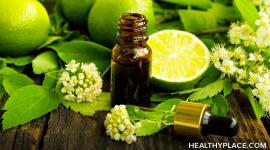
Aromatherapy ("ah-roam-uh-THER-ah-py"): involves the use of essential oils (extracts or essences) from flowers, herbs, and trees to promote health and well-being.
Ayurveda ("ah-yur-VAY-dah") is a CAM alternative medical system that has been practiced primarily in the Indian subcontinent for 5,000 years. Ayurveda includes diet and herbal remedies and emphasizes the use of body, mind, and spirit in disease prevention and treatment.
Chiropractic ("kie-roh-PRAC-tic") is a CAM alternative medical system. It focuses on the relationship between bodily structure (primarily that of the spine) and function, and how that relationship affects the preservation and restoration of health. Chiropractors use manipulative therapy as an integral treatment tool.
Dietary supplements. Congress defined the term "dietary supplement" in the Dietary Supplement Health and Education Act (DSHEA) of 1994. A dietary supplement is a product (other than tobacco) taken by mouth that contains a "dietary ingredient" intended to supplement the diet. Dietary ingredients may include vitamins, minerals, herbs or other botanicals, amino acids, and substances such as enzymes, organ tissues, and metabolites. Dietary supplements come in many forms, including extracts, concentrates, tablets, capsules, gel caps, liquids, and powders. They have special requirements for labeling. Under DSHEA, dietary supplements are considered foods, not drugs.
Electromagnetic fields (EMFs, also called electric and magnetic fields) are invisible lines of force that surround all electrical devices. The Earth also produces EMFs; electric fields are produced when there is thunderstorm activity, and magnetic fields are believed to be produced by electric currents flowing at the Earth's core.
Homeopathic ("home-ee-oh-PATH-ic") medicine is a CAM alternative medical system. In homeopathic medicine, there is a belief that "like cures like," meaning that small, highly diluted quantities of medicinal substances are given to cure symptoms, when the same substances given at higher or more concentrated doses would actually cause those symptoms.
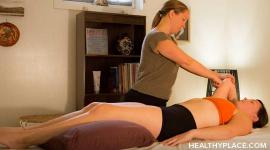
Massage ("muh-SAHJ") therapists manipulate muscle and connective tissue to enhance function of those tissues and promote relaxation and well-being.
Naturopathic ("nay-chur-o-PATH-ic") medicine, or naturopathy, is a CAM alternative medical system. Naturopathic medicine proposes that there is a healing power in the body that establishes, maintains, and restores health. Practitioners work with the patient with a goal of supporting this power, through treatments such as nutrition and lifestyle counseling, dietary supplements, medicinal plants, exercise, homeopathy, and treatments from traditional Chinese medicine.
Osteopathic ("ahs-tee-oh-PATH-ic") medicine is a form of conventional medicine that, in part, emphasizes diseases arising in the musculoskeletal system. There is an underlying belief that all of the body's systems work together, and disturbances in one system may affect function elsewhere in the body. Some osteopathic physicians practice osteopathic manipulation, a full-body system of hands-on techniques to alleviate pain, restore function, and promote health and well-being.
Qi gong ("chee-GUNG") is a component of traditional Chinese medicine that combines movement, meditation, and regulation of breathing to enhance the flow of qi (an ancient term given to what is believed to be vital energy) in the body, improve blood circulation, and enhance immune function.
Reiki ("RAY-kee") is a Japanese word representing Universal Life Energy. Reiki is based on the belief that when spiritual energy is channeled through a Reiki practitioner, the patient's spirit is healed, which in turn heals the physical body.
Therapeutic Touch is derived from an ancient technique called laying-on of hands. It is based on the premise that it is the healing force of the therapist that affects the patient's recovery; healing is promoted when the body's energies are in balance; and, by passing their hands over the patient, healers can identify energy imbalances.
Traditional Chinese medicine (TCM) is the current name for an ancient system of health care from China. TCM is based on a concept of balanced qi (pronounced "chee"), or vital energy, that is believed to flow throughout the body. Qi is proposed to regulate a person's spiritual, emotional, mental, and physical balance and to be influenced by the opposing forces of yin (negative energy) and yang (positive energy). Disease is proposed to result from the flow of qi being disrupted and yin and yang becoming imbalanced. Among the components of TCM are herbal and nutritional therapy, restorative physical exercises, meditation, acupuncture, and remedial massage.
NCCAM Clearinghouse
The NCCAM Clearinghouse provides information on CAM and on NCCAM, including publications and searches of Federal databases of scientific and medical literature. The Clearinghouse does not provide medical advice, treatment recommendations, or referrals to practitioners.
NCCAM Clearinghouse
Toll-free in the U.S.: 1-888-644-6226
International: 301-519-3153
TTY (for deaf and hard-of-hearing callers): 1-866-464-3615
Web site: www.nccam.nih.gov
E-mail: info@nccam.nih.gov
Sources of Information on Dietary Supplements
Office of Dietary Supplements, NIH
Web site: http://ods.od.nih.gov
E-mail: ods@nih.gov
ODS supports research and disseminates research results on dietary supplements. It produces the International Bibliographic Information on Dietary Supplements (IBIDS) database on the Web, which contains abstracts of peer-reviewed scientific literature on dietary supplements.
U.S. Food and Drug Administration (FDA)
Center for Food Safety and Applied Nutrition
Web site: www.cfsan.fda.gov
Toll-free in the U.S.: 1-888-723-3366
Information includes "Tips for the Savvy Supplement User: Making Informed Decisions and Evaluating Information" (www.cfsan.fda.gov/~dms/ds-savvy.html) and updated safety information on supplements (www.cfsan.fda.gov/~dms/ds-warn.html). If you have experienced an adverse effect from a supplement, you can report it to the FDA's MedWatch program, which collects and monitors such information (1-800-FDA-1088 or www.fda.gov/medwatch).
NCCAM has provided this material for your information. It is not intended to substitute for the medical expertise and advice of your primary health care provider. We encourage you to discuss any decisions about treatment or care with your health care provider. The mention of any product, service, or therapy in this information is not an endorsement by NCCAM.
next: Statistics on CAM Use
APA Reference
Staff, H.
(2008, November 9). Understanding Complementary and Alternative Medicine, HealthyPlace. Retrieved
on 2024, April 25 from https://www.healthyplace.com/alternative-mental-health/treatments/understanding-complementary-and-alternative-medicine