Tai Chi for Psychological Disorders
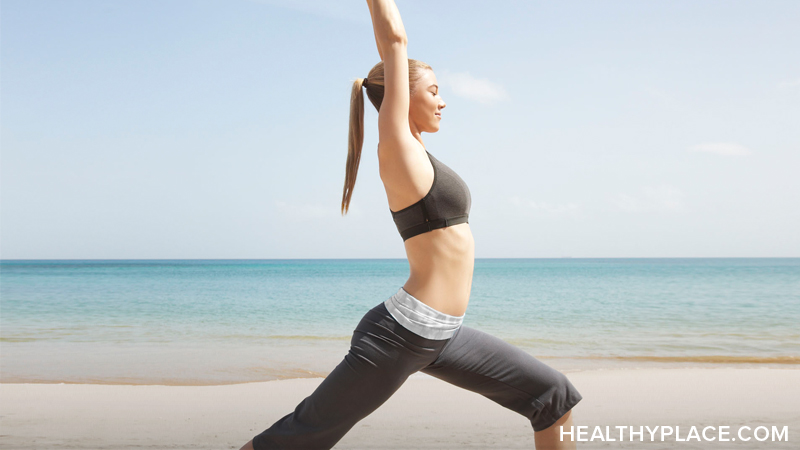
Learn about Tai Chi for mental and physical health. Tai Chi may help alleviate depression, anxiety, confusion, anger, fatigue, mood disturbances and pain perception.
Before engaging in any complementary medical technique, you should be aware that many of these techniques have not been evaluated in scientific studies. Often, only limited information is available about their safety and effectiveness. Each state and each discipline has its own rules about whether practitioners are required to be professionally licensed. If you plan to visit a practitioner, it is recommended that you choose one who is licensed by a recognized national organization and who abides by the organization's standards. It is always best to speak with your primary health care provider before starting any new therapeutic technique.
Background
Tai chi aims to address the body and mind as an interconnected system and to improve mental and physical health while benefiting posture, balance, flexibility and strength.
Tai chi includes sequences of slow movements coordinated with deep breathing and mental focus. Tai chi can be practiced alone or with a group of people in a class. Practitioners guide pupils through movements, encouraging them to keep their bodies stable and upright while shifting weight.
Theory
In traditional Chinese medicine, it is believed that illness is a result of imbalance between two opposing life forces, yin and yang. Tai chi aims to reestablish balance, create harmony between body and mind and connect an individual with the outside world. In the 13th century, Taoist priest Chang San Fang observed a crane fighting with a snake and compared their movements to yin and yang. Some tai chi movements are said to mimic those of the animals.
Preliminary evidence suggests that when practiced regularly, tai chi may increase muscle strength and improve cardiovascular health, coordination and balance. Additional studies are necessary before firm conclusions can be reached.
Evidence
Scientists have studied tai chi for the following health problems:
Falls in the elderly, postural stability
Several studies have examined the effects of tai chi on balance and on the risk of falls in older people. Most studies have been poorly designed, and results are inconsistent. Further research is needed to determine if tai chi is safer or more effective than other forms of exercise in the elderly.
Balance and strength
Early data suggest that tai chi may improve balance and maintain physical strength. These benefits may be similar to those of other forms of exercise. Better research is necessary before a definitive conclusion can be reached.
Depression, anger, fatigue, anxiety
Preliminary scientific study reports that tai chi may help to alleviate depression, anxiety, confusion, anger, fatigue, mood disturbances and pain perception. Additional research is necessary before a clear conclusion can be reached.
Breathing, fitness, physical functioning and well-being in the elderly
Studies suggest that tai chi may improve cardiovascular health, muscle strength, handgrip strength, flexibility, gait, coordination and sleep and may decrease osteoporosis risk. It is not clear if any of these benefits are different from those offered through other forms of exercise. Nearly all of the studies that exist in these areas compare tai chi programs with a sedentary lifestyle, not with another form of exercise. Tai chi has been found to be of low to moderate intensity in the cardiovascular studies thus far, which makes tai chi a candidate for certain rehabilitation programs. Further research is needed before a clear conclusion can be drawn.
Chickenpox, shingles (varicella-zoster)
A small placebo-controlled trial showed 15-week treatment with tai chi may increase immunity to the virus that causes shingles. This may suggest the use of tai chi in the prevention of chickenpox and shingles, but further well-designed large studies must be done before a recommendation can be made.
Osteoarthritis
A small, randomized, controlled trial in women with osteoarthritis reported that 12-week treatment with tai chi significantly decreased pain and stiffness compared with a sedentary lifestyle. Women in the tai chi group also reported fewer perceptions of difficulties in physical functioning.
Osteoporosis
Preliminary research suggests that tai chi may be beneficial in delaying early bone loss in postmenopausal women. Additional evidence and long-term follow-up are needed to confirm these results.
Exercise tolerance
Several studies suggest that tai chi is a form of aerobic exercise that can improve aerobic capacity. In particular, a benefit has been reported with the classical Yang style.
Cardiovascular disease
There is evidence that suggests tai chi decreases blood pressure and cholesterol, as well as enhances quality of life, in patients with chronic heart failure. Additional research is needed before a firm conclusion can be drawn.
Unproven Uses
Tai chi has been suggested for many other uses, based on tradition or on scientific theories. However, these uses have not been thoroughly studied in humans, and there is limited scientific evidence about safety or effectiveness. Some of these suggested uses are for conditions that are potentially life-threatening. Consult with a health care provider before using tai chi for any use.
| Agility Ankylosing spondylitis (a type of arthritis) Arthritis Asthma Attention-deficit hyperactivity disorder Bronchitis Cancer Chronic lung conditions Chronic pain Circulation problems Concentration Confidence Congestive heart failure Coordination Coronary artery disease Diabetes Emphysema Energy Fibromyalgia Gastritis Gout Headache Heart attack recovery Heart disease Hemiplegia (a form of paralysis) Hemophilia | High blood pressure HIV/AIDS Immune function stimulation Improved grip strength Improved mobility Kidney disorders Low back pain Low blood pressure Lowered heart rate Mood disturbances Multiple sclerosis Neurasthenia (a type of fatigue) Parkinson's disease Peripheral vascular disease Recovery from head trauma Repetitive strain injuries Rheumatoid arthritis Schizophrenia Self-esteem Sleep aid Stress Stress-related conditions Stroke Substance abuse Tension Tuberculosis Vestibulopathy |
Potential Dangers
Sore muscles, sprains and electrical sensations have been reported rarely with tai chi. People with severe osteoporosis, joint problems, acute back pain, sprains or fractures should consult their health care provider before considering tai chi. Straining downward or holding low postures should be avoided by pregnant women, by people with an inguinal hernia and by those recovering from abdominal surgery.
Practitioners may recommend that tai chi be avoided by those with active infections, those who have just eaten and those who are very tired. Some tai chi practitioners have said that visualization of energy flow below the waist during menstruation increases menstrual bleeding. Some tai chi practitioners believe that practicing tai chi for too long or using too much intention may direct the flow of chi (qi) inappropriately, possibly resulting in physical or emotional illness. These assertions do not fall within the Western framework of medical concepts and have not been evaluated scientifically.
Tai chi should not be used as a substitute for more proven therapies for potentially severe medical conditions. Consult a qualified health care provider if you experience dizziness, shortness of breath, chest pain, headache or severe pain related to tai chi.
Summary
Tai chi has been recommended for many conditions. Numerous anecdotes and preliminary scientific studies report health benefits of tai chi. However, effectiveness and safety of tai chi have not been proven over other forms of exercise.
The information in this monograph was prepared by the professional staff at Natural Standard, based on thorough systematic review of scientific evidence. The material was reviewed by the Faculty of the Harvard Medical School with final editing approved by Natural Standard.
back to: Alternative Medicine Home ~ Alternative Medicine Treatments
Resources
- Natural Standard: An organization that produces scientifically based reviews of complementary and alternative medicine (CAM) topics
- National Center for Complementary and Alternative Medicine (NCCAM): A division of the U.S. Department of Health & Human Services dedicated to research
Selected Scientific Studies: Tai Chi
Natural Standard reviewed more than 250 articles to prepare the professional monograph from which this version was created.
Some of the more recent studies are listed below:
- Achiron A, Barak Y, Stern Y, Noy S. Electrical sensation during tai-chi practice as the first manifestation of multiple sclerosis. Clin Neurol Neurosurg 1997;Dec, 99(4):280-281.
- Adler P, Good M, Roberts B. The effects of tai chi on older adults with chronic arthritis pain. J Nurs Schol 2000;32(4):377.
- Breslin KT, Reed MR, Malone SB. An holistic approach to substance abuse treatment. J Psychoactive Drugs 2003;Apr-Jun, 35(2):247-251.
- Brown DR, Wang Y, Ward A, et al. Chronic psychological effects of exercise and exercise plus cognitive strategies. Med Sci Sports Exerc 1995;May, 27(5):765-775.
- Chan K, Quin L, Lau M, et al. A randomized, prospective study of the effects of Tai Chi Chun exercise on bone mineral density in postmenopausal women. Arch Phys Med Rehabil 2003;85(5):717-722.
- Chan SP, Luk TC, Hong Y. Kinematic and electromyographic analysis of the push movement in tai chi. Br J Sports Med 2003;Aug, 37(4):339-344.
- Channer KS, Barrow D, Barrow R, et al. Changes in haemodynamic parameters following tai chi chuan and aerobic exercise in patients recovering from acute myocardial infarction. Postgrad Med J 1996;Jun, 72(848):349-351.
- Chao YF, Chen SY, Lan C, Lai JS. The cardiorespiratory response and energy expenditure of tai-chi-qui-gong. Am J Chin Med 2002;30(4):451-461.
- Fontana JA, Colella C, Baas LS, et al. T'ai chi chih as an intervention for heart failure. Nurs Clin North Am 2000;35(4):1031-1046.
- Hartman CA, Manos TM, Winter C, et al. Effects of t'ai chi training on function and quality of life indicators in older adults with osteoarthritis. J Am Geriatr Soc 2000;48(12):1553-1559.
- Hass CJ, Gregor RJ, Waddell DE, et al. The influence of Tai Chi training on the center of pressure trajectory during gait initiation in older adults. Arch Phys Med Rehabil 2004;85(10):1593-1598.
- Hernandez-Reif M, Field TM, Thimas E. Attention deficit hyperactivity disorder: benefits from tai chi. J Bodywork Mov Ther 2001;5(2):120-123.
- Hong Y, Li JX, Robinson PD. Balance control, flexibility, and cardiorespiratory fitness among older tai chi practitioners. Br J Sports Med 2000;34(1):29-34.
- Humphrey R. Tai chi in cardiac rehabilitation. J Cardiopulm Rehabil 2003;Mar-Apr, 23(2):97-99. Comment in: J Cardiopulm Rehabil 2003;Mar-Apr, 23(2):90-96.
- Irwin MR, Pike JL, Cole JC, Oxman MN. Effects of a behavioral intervention, tai chi chih, on varicella-zoster virus specific immunity and health functioning in older adults. Psychosom Med 2003;Sep-Oct, 65(5):824-830.
- Jerosch J, Wustner P. Effect of a sensorimotor training program on patients with subacromial pain syndrome [Article in German]. Unfallchirurg 2002;Jan, 105(1):36-43.
- Jin P. Efficacy of tai chi, brisk walking, meditation, and reading in reducing mental and emotional stress. J Psychosom Res 1992;May, 36(4):361-370.
- Jin P. Changes in heart rate, noradrenaline, cortisol and mood during tai chi. J Psychosom Res 1989;33(2):197-206.
- Jones AY, Dean E, Scudds RJ. Effectiveness of community-based Tai Chi program and implications for public health initiatives. Arch Phys Med Rehabil 2005;86(4):619-625.
- Lai JS, Lan C, Wong MK, Teng SH. Two-year trends in cardiorespiratory function among older tai chi chuan practitioners and sedentary subjects. J Am Geriatr Soc 1995;Nov, 43(11):1222-1227.
- Lan C, Lai JS, Chen SY, et al. Tai chi chuan to improve muscular strength and endurance in elderly individuals: a pilot study. Arch Phys Med Rehabil 2000;81(5):604-607.
- Lan C, Chen SY, Lai JS, Wong MK. Heart rate responses and oxygen consumption during tai chi chuan practice. Am J Chin Med 2001;29(3-4):403-410.
- Lan C, Chen SY, Lai JS, Wong MK. The effect of tai chi on cardiorespiratory function in patients with coronary artery bypass surgery. Med Sci Sports Exerc 1999;May, 31(5):634-638.
- Lee EO, Song R, Bae SC. Effects of 12-week tai chi exercise on pain, balance, muscle strength, and physical functioning in older patients with osteoarthritis: randomized trial. Arthritis Rheum 2001;44(9):S393.
- Li F, McAuley E, Harmer P, et al. Tai chi enhances self-efficacy and exercise behavior in older adults. J Aging Phys Act 2001;9:161-171.
- Li F, Harmer P, Fisher KJ, et al. Tai Chi and fall reductions in older adults: a randomized controlled trial. J Gerontol A Biol Sci Med Sci 2005;60(2):187-194.
- Li F, Fisher KJ, Harmer P, et al. Tai chi and self-rated quality of sleep and daytime sleepiness in older adults: a randomized controlled trial. J Am Geriatr Soc 2004;52(6):892-900.
- Li F, Harmer P, Chaumeton NR, et al. Tai chi as a means to enhance self-esteem: a randomized controlled trial. J Appl Gerontol 2002;21(1):70-89.
- Li F, Harmer P, McAuley E, et al. An evaluation of the effects of tai chi exercise on physical function among older persons: a randomized controlled trial. Ann Behav Med 2001;23(2):139-146.
- Li F, Harmer P, McAuley E, et al. Tai chi, self-efficacy, and physical function in the elderly. Prev Sci 2001;2(4):229-239.
- Lin YC, Wong AM, Chou SW, et al. The effects of tai chi chuan on postural stability in the elderly: preliminary report. Changgeng Yi Xue Za Zhi 2000;23(4):197-204.
- Mak MK, Ng PL. Mediolateral sway in single-leg stance is the best discriminator of balance performance for tai-chi practitioners. Arch Phys Med Rehabil 2003;May, 84(5):683-686.
- Nowalk MP, Prendergast JM, Bayles CM, et al. A randomized trial of exercise programs among older individuals living in two long-term care facilities: the FallsFREE program. J Am Geriatr Soc 2001;Jul, 49(7):859-865.
- Qin L, Au S, Choy W, et al. Regular tai chi chuan exercise may retard bone loss in postmenopausal women: a case-control study. Arch Phys Med Rehabil 2002;Oct, 83(10):1355-1359. Comment in: Arch Phys Med Rehabil 2003;Apr, 84(4):621. Author reply, 621-623.
- Ross MC, Bohannon AS, Davis DC, Gurchiek L. The effects of a short-term exercise program on movement, pain, and mood in the elderly: results of a pilot study. J Holist Nurs 1999;Jun, 17(2):139-147.
- Song R, Lee EO, Lam P, Bae SC. Effects of tai chi exercise on pain, balance, muscle strength, and perceived difficulties in physical functioning in older women with osteoarthritis: a randomized clinical trial. J Rheumatol 2003;Sep, 30(9):2039-2044.
- Taggart HM. Effects of tai chi exercise on balance, functional mobility, and fear of falling among older women. Appl Nurs Res 2002;Nov, 15(4):235-242.
- Taylor-Piliae RE, Froelicher ES. Effectiveness of Tai Chi exercise in improving aerobic capacity: a meta-analysis. J Cardiovasc Nurs 2003;19(1):48-57.
- Tsai JC, Wang WH, Chan P, et al. The beneficial effects of Tai Chi Chuan on blood pressure and lipid profile and anxiety status in a randomized controlled trial. J Altern Complement Med 2003;9(5):747-754.
- Vazquez E. Don't just sit there. Posit Aware 1996;Jan-Feb, 7(1):23-25.
- Wang JS, Lan C, Chen SY, Wong MK. Tai chi chuan training is associated with enhanced endothelium-dependent dilation in skin vasculature of healthy older men. J Am Geriatr Soc 2002;Jun, 50(6):1024-1030. Comment in: J Am Geriatr Soc 2002;Jun, 50(6):1159-1160.
- Wang JS, Lan C, Wong MK. Tai chi chuan training to enhance microcirculatory function in healthy elderly men. Arch Phys Med Rehabil 2001;Sep, 82(9):1176-1180.
- Wolf SL, Barnhart HX, Ellison GL, Coogler CE. The effect of tai chi quan and computerized balance training on postural stability in older subjects: Atlanta FICSIT Group. Frailty and injuries: cooperative studies on intervention techniques. Phys Ther 1997;Apr, 77(4):371-381. Discussion, 382-384.
- Wolf SL, Sattin RW, Kutner M, et al. Intense tai chi exercise training and fall occurrences in older, transitionally frail adults: a randomized, controlled trial. J Am Geriatr Soc 2003;51(12):1693-1701.
- Wolf SL, Sattin RW, O'Grady M, et al. A study design to investigate the effect of intense tai chi in reducing falls among older adults transitioning to frailty. Control Clin Trials 2001;22(6):689-704.
- Wong AM, Lin YC, Chou SW, et al. Coordination exercise and postural stability in elderly people: effect of tai chi chuan. Arch Phys Med Rehabil 2001;82(5):608-612.
- Wu G. Evaluation of the effectiveness of tai chi for improving balance and preventing falls in the older population: a review. J Am Geriatr Soc 2002;50(4):746-754.
- Yeh GY, Wood MJ, Lorell BH, et al. Effects of tai chi mind-body movement therapy on functional status and exercise capacity in patients with chronic heart failure: a randomized controlled trial. Am J Med 2004;117(8):541-548.
- Yeung D, Ng G, Wong R, et al. Rehabilitation of patients with rheumatoid arthritis by tai chi chuen training. Arthritis Rheum 2001;44(9):S210.
- Zwick D, Rochelle A, Choksi A, et al. Evaluation and treatment of balance in the elderly: a review of the efficacy of the Berg Balance Test and tai chi quan. Neuro Rehab 2000;15(1):49-56
back to: Alternative Medicine Home ~ Alternative Medicine Treatments
APA Reference
Staff, H.
(2008, December 31). Tai Chi for Psychological Disorders, HealthyPlace. Retrieved
on 2024, April 23 from https://www.healthyplace.com/alternative-mental-health/treatments/tai-chi-for-psychological-disorders