How to Relax and Cope with Stress
A step-by-step guide on how to recognize the signs of stress and how to effectively deal with stress.
Contents
- Recognize your signs of stress
- Dealing with stress (your reactions)
- Positive self-talk
- Relaxation
- Stress-relieving relaxation
- Meditation
- Exercise
- A balanced lifestyle
- Dealing with anger
- Drugs, alcohol and smoking
- Changing your life
If you are feeling stressed, then you may be having trouble with sleeping and concentrating, and with being positive and hopeful. Your body may be trying to get you to recognize that it is feeling stressed by giving you headaches, making you feel sick, giving you indigestion, a fluttery feeling in the tummy, or any one of a number of other signs that are trying to show you that you need to relax.
Here are some ideas to help you deal with stress.
Recognize your signs of stress
Think of a time that was stressful for you - it might have been an exam or a disagreement with a friend, or maybe you needed to tell someone something really important and didn't know how they'd react.
Try to remember how your body felt
- Did you have butterflies in the tummy before the exam?
- Did you get a headache when arguing?
- Did you find it hard to sleep before telling that person the news?
Stop now and have a think about how it felt for you. Perhaps you could write those signs down so you'll remember later.
Dealing with stress (your reactions)
- How did you deal with the stress in the situation you thought about before? Was it helpful?
- Was there another situation where you dealt with stress really well?
Perhaps you could write those strategies down to remember for times you need them. There are many choices in the way that you can deal with stress. Talk to friends about good ways they use to deal with stress to increase your choices.
Positive self-talk
Positive self-talk helps you tap into your inner strengths. We all have inner strengths. Positive self-talk is about using your mind in the way you want, to help yourself. It helps us to decide how we'll react to stress. When we do the opposite (negative thinking) we create more stress for ourselves. Here are some ways to use Positive self-talk.
-
Tell yourself positive statements every day (examples: "I am good at ....", "I have inner strength", "I have true beauty within", "All is well", "I feel peaceful now").
-
Picture seeing yourself in a positive situation - one that you want to move towards (eg. see yourself doing that school test and being relaxed about it and doing well, picture the teacher reading your test and being impressed on how well you did).
-
Remind yourself of things you've done well in the past ("I did well on that school project last year - this means I can do it again").
-
Look at the big picture - will it really matter in 5 years? Will the world stop turning if it does or doesn't happen?
-
Work on what you can control, accept the rest and let it go.
-
You can even make a tape of your own voice saying positive, relaxing, supportive things.
Relaxation
What do you find relaxing?
- Is it dancing, art, meditation, fishing, going for a walk with friends, reading a book, listening to music, shopping, a gym work-out, talking to a friend or playing sport?
Think about things you can do that relax you, and find ways to build them into your weekly routine. These are ways both to prevent stress and to deal with stress.
There are other ways to relax and unwind.
-
How about a massage? You could give a friend a neck and shoulder massage or a hand massage and ask for one back.
-
Perhaps a yoga or tai chi class is for you.
-
Herbal teas like chamomile can help and so can a warm bath or aromatherapy oils like lavender oil.
There are quick relaxation techniques that take just a few minutes. You can use these in many places. For example take a few minutes to relax in the middle of an exam if you find yourself getting stressed and not thinking clearly.
-
Deep breathing - breathe in through the nose and let the air fill the bottom of your lungs first, breathe right down to your stomach, then breathe out slowly, concentrating on letting the muscles of your body relax.
-
Focus breathing - breathe in through the nose and as you breathe out say a positive statement to yourself like relax or calm down.
-
Stretching - stretch out muscles, reach the arms above the head and stretch, or just stretch whatever part of the body you feel needs it. Visualization - this is where you picture a pleasant place and use slow breathing through the nose - you can make the place anywhere you want to and you can change anything in the picture to see, feel, sound or smell just as you wish.
Stress-relieving relaxation
This kind of relaxation takes a little longer.
-
You start by sitting or lying down comfortably. A quiet place or relaxing music to listen to is nice.
-
Close your eyes.
-
Tighten then relax your muscles in order - for example, start at the feet, work your way up through the legs, the middle, your chest and your face muscles.
-
One at a time scrunch each set of muscles up tightly for about 30 seconds, then let them go loose.
-
Feel which parts of your body are tight and need more work.
You can get tapes to help you do this. This is also good to help you feel the difference between when you are relaxed and when you are tense. This raises your awareness of when you're getting tense and stressed.
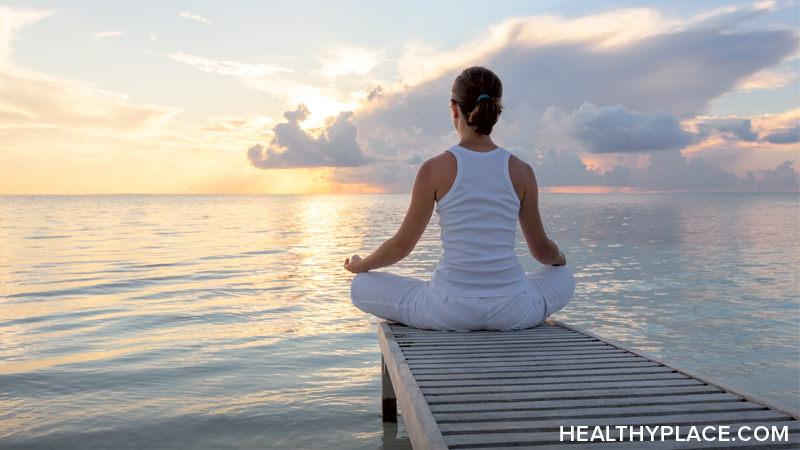
Meditation
There are various ways to meditate.
-
You can learn by listening to meditation tapes and CDs, by going to a meditation class or by learning from a friend.
-
Or you could teach yourself - try this simple meditation.
-
Prepare by getting comfortable and becoming aware of your breathing.
-
Start to count after each breath. Breathe in, breathe out, one, breathe in, breathe out two ... up to ten then start again. If you lose count, go back to one. Just do this for a few minutes. Later you might want to do it for longer and concentrate more and more on your breathing and the feel of your breath going into and out of your body.
-
If any thoughts or noises enter your mind, notice them, let them go and gently return to your meditation.
-
Exercise
Many people find physical activity helps burn up some of that stress. It can be fun too.
A balanced lifestyle
This is another key to coping well. Make time for:
- yourself - rest, relaxation, thinking time, exercise, and healthy eating
- your relationships
- your social life
- your spiritual needs (this could be religion, nature or whatever is right for you)
- work or study.
To do all this you need to:
-
manage your time, eg. make lists, prioritize - there are many books around on time management, or friends may be able to help you with this
-
take time out to enjoy your life
-
set goals and work towards them - smaller goals are important to have as well as longer term goals
-
at work or study, keep in mind that you can only do so much, and that you should take regular breaks.
If it's all getting too much, ask for support. Talk to a friend or family member, or someone supportive at school, or college.
Above all, keep your sense of humor.
Dealing with anger
Anger can lead to stress.
-
You might try something physical like going for a run or a bike ride.
-
Some people write letters and put in everything they feel angry about, then burn them.
-
Other people turn the music up loud and say out loud whatever it is they'd really like to tell someone.
It's OK, in fact it's good, to express anger. We all get angry. We can choose what we do about it and how we express it. Do what's right for you as long as you don't hurt anyone or anything.
Drugs, alcohol and smoking
Some people try drugs, like alcohol (see our topic on 'Alcohol - the facts') and they smoke more.
- This is likely to be more harmful than helpful when you consider the health risks.
- Importantly, they won't change whatever is causing the stress.
- Sometimes doctors prescribe medication like antidepressants for a short time. This could help, but on its own doesn't change whatever is causing the stress.
It's important to look at the causes and ways to deal with the causes - whether that be by increasing your own coping capacities or making changes to your lifestyle.
Changing Your Life
Sometimes changes in your life are the only way to really reduce stress.
- If it's hard to decide how to do that, talk to a trusted friend.
- You could go to counseling to find ways to make changes.
It might mean that you do less for now. For example, if you're studying full time and working and have a relationship and a social life, you may need to cut down somewhere or cut down a bit everywhere.
Source: Child and Youth Health
APA Reference
Staff, H.
(2008, December 6). How to Relax and Cope with Stress, HealthyPlace. Retrieved
on 2024, April 25 from https://www.healthyplace.com/alternative-mental-health/treatments/how-to-relax-and-cope-with-stress