Vitamin C (Ascorbic Acid)
Vitamin C may help prevent Alzheimer's Disease and dementia, heart disease and diabetes. Learn about the usage, dosage, side-effects of Vitamin C.
- Overview
- Uses
- Dietary Sources
- Available Forms
- How to Take It
- Precautions
- Possible Interactions
- Supporting Research
Overview
Vitamin C is a water-soluble vitamin needed for the growth and repair of tissues in all parts of the body. It is necessary to form collagen, an important protein used to make skin, scar tissue, tendons, ligaments, and blood vessels. Vitamin C is essential for the healing of wounds, and for the repair and maintenance of cartilage, bones, and teeth.
Vitamin C is one of many antioxidants. Vitamin E and beta-carotene are two other well known antioxidants. Antioxidants are nutrients that block some of the damage caused by free radicals, which are by-products that result when our bodies transform food into energy. The build up of these by-products over time is largely responsible for the aging process and can contribute to the development of various health conditions such as cancer, heart disease, and a host of inflammatory conditions like arthritis. Antioxidants also help reduce the damage to the body caused by toxic chemicals and pollutants such as cigarette smoke.
Vitamin C deficiency can lead to dry and splitting hair; gingivitis (inflammation of the gums) and bleeding gums; rough, dry, scaly skin; decreased wound-healing rate, easy bruising; nosebleeds; weakened enamel of the teeth; swollen and painful joints; anemia; decreased ability to ward off infection; and, possibly, weight gain because of slowed metabolic rate and energy expenditure. A severe form of vitamin C deficiency is known as scurvy, which mainly affects older, malnourished adults.
The body does not manufacture vitamin C on its own, nor does it store it. It is therefore important to include plenty of vitamin C-containing foods in one's daily diet. Large amounts of vitamin C are used by the body during any kind of healing process, whether it's from an infection, disease, injury, or surgery. In these cases extra vitamin C may be needed.
Vitamin C Uses
Low levels of vitamin C have been associated with a variety of conditions including hypertension, gallbladder disease, stroke, some cancers, and atherosclerosis (the build up of plaque in blood vessels that can lead to heart attack and stroke; conditions that are caused by atherosclerotic build up are often collectively referred to as cardiovascular diseases). Eating adequate amounts of vitamin C in the diet (primarily through lots of fresh fruits and vegetables) may help reduce the risk of developing some of these conditions. There is little evidence, however, that vitamin C supplements can cure any of these diseases.
As an anti-oxidant, vitamin C plays an important role in protecting against the following:
Heart Disease
Results of scientific studies regarding the benefit of vitamin C for heart disease or stroke is somewhat confusing. While not all of the studies agree, some information suggests that vitamin C may help protect blood vessels from the damaging effects that lead to or result from the presence of atherosclerosis.
For example, those with low levels of vitamin C may be more likely to have a heart attack, stroke, or peripheral artery disease, all potential outcomes of atherosclerosis. Peripheral artery disease is the term used to describe atherosclerosis of the blood vessels to the legs. This can lead to pain with walking, known as intermittent claudication.
In terms of damage that can cause atherosclerosis, some studies have shown that vitamin C helps prevent oxidation of LDL (bad) cholesterol - a process that contributes to plaque buildup in the arteries.
Under most circumstances, dietary vitamin C is adequate for protecting against the development of or consequences from cardiovascular disease. If you have low levels of this nutrient, however, and find it difficult to obtain through dietary sources, a knowledgeable healthcare provider may recommend vitamin C supplements.
High Cholesterol
Information from several studies, involving only small numbers of people, suggest that vitamin C (3 glasses of orange juice per day or up to 2000 mg per day as a supplement) may help decrease total and LDL cholesterol and triglycerides, as well as increase HDL levels (the good kind of cholesterol). Studies evaluating larger groups of people would be helpful in determining how accurate these preliminary research results are and to whom this potential benefit applies.
High Blood Pressure
Free radicals, the damaging by-products of metabolism mentioned earlier, are associated with higher blood pressure in studies of animals and people. Population based studies (which involve observing large groups of people over time) suggest that people who eat foods rich in antioxidants, including vitamin C, are less prone to high blood pressure than people without these nutritious foods in their diet. For this reason, many clinicians recommend foods rich in vitamin C, particularly if you are at risk for high blood pressure. In fact, the diet most frequently recommended for treatment and prevention of hypertension, known as the DASH (Dietary Approaches to Stop Hypertension) diet advocates lots of fruits and vegetables, which are loaded with antioxidants.
Common Cold
Despite the popular belief that vitamin C can cure the common cold, the scientific evidence supporting this conviction is limited. There have been a few studies suggesting that taking large doses of vitamin C supplements at the onset of cold or flu symptoms, or just after exposure to one of these viruses, can shorten the duration of the cold or ward it off altogether. However, the majority of studies, when looked at collectively, lead researchers to conclude that vitamin C does not prevent or treat the common cold. Some experts suggest that vitamin C may only be useful in case of a cold if you have low levels of this nutrient to begin with. Another possibility is that the likelihood of success may be very individual -- some improve, while others do not. If you are amongst the 67% of people who believe that vitamin C is helpful for your colds, there may be power in your conviction. In other words, your experience is probably more important than what the research is stating. Talk to your doctor about any pros and cons with regards to using vitamin C during cold and flu season.
Cancer
While the precise role of vitamin C in preventing cancer remains controversial, results of many population based studies (evaluating groups of people over time) imply that foods rich in vitamin C may be associated with lower rates of cancer, including skin cancer, cervical dysplasia (changes to the cervix which may be cancerous or precancerous, picked up by pap smear), and, possibly, breast cancer. At best, however, particularly for breast cancer, the specific connection of vitamin C and cancer prevention is weak. This is mainly because protection comes from eating foods, such as fruits and vegetables, which contain many beneficial nutrients and antioxidants, not only vitamin C.
Also, there is no evidence that taking large doses of vitamin C once diagnosed with cancer will help your treatment. In fact, there is concern that large doses of antioxidants from supplements could interfere with chemotherapy medications. Much more research in the area of antioxidants and cancer treatment is needed.
Osteoarthritis
Vitamin C is essential for normal cartilage. Plus, free radicals can be produced in the joints and have been implicated in many degenerative changes in the aging body, including destruction of cartilage and connective tissue that lead to arthritis. Antioxidants appear to offset the damage caused by free radicals. Although further evidence is needed to substantiate these claims, studies of groups of people observed over time suggest that vitamin C, as well as vitamin E, may help to reduce the symptoms of OA.
Vitamin C for Obesity and Weight Loss
Studies suggest that obese individuals may have lower vitamin C levels than nonobese individuals. Researchers speculate that insufficient amounts of vitamin C may contribute to weight gain by decreasing metabolic rates and energy expenditures. Many sensible weight loss programs will be sure to include foods rich in vitamin C, such as plenty of fruits and vegetables.
Cataracts
Studies have shown that vitamin C may slow or even stop the progression of cataracts in the elderly. A recent study, for example, of women from the Nurses' Health Study (a very large, important study that has followed women over many years) showed that women under 60 years of age who had high dietary intake of vitamin C or who had used vitamin C supplements for 10 years or more had significantly reduced chances of developing cataracts.
Age-related Macular Degeneration
Vitamin C works together with other antioxidants like selenium, beta-carotene, and vitamin E to protect the eyes against developing macular degeneration. This is a painless, degenerative eye disease that affects more than 10 million Americans. It is the leading cause of legal blindness in persons over the age of 55 in the United States. While complete blindness does not occur in most people with the disorder, macular degeneration often interferes with reading, driving, or performing other daily activities.
While not all research agrees, antioxidants, including vitamin C, primarily from dietary sources may help prevent macular degeneration. Many qualified clinicians will recommend a combination of these nutrients for treating or preventing this serious and frustrating eye disorder.
Diabetes
Vitamin C may be helpful for people with diabetes in a number of ways. First, some studies suggest that people with diabetes have high levels of free radicals (the damaging metabolic by-products, mentioned earlier, associated with many chronic illnesses) and low levels of antioxidants, including vitamin C. This imbalance may contribute to the fact that those with diabetes are at greater risk for developing conditions such as high cholesterol and atherosclerosis.
Secondly, insulin (which is low in type 1 diabetics and does not function properly in type 2 diabetics) helps cells in the body take up the vitamin C that they need to function properly. At the same time, lots of circulating blood sugar (glucose), as is often the present in diabetics, prevents the cells from getting the vitamin C that they need, even if eating lots of fruits of vegetables. For this reason, taking extra vitamin C in the form of supplements may be helpful in those with diabetes.
Vitamin C for Alzheimer's Disease and other types of Dementia
While the evidence is somewhat stronger for another important antioxidant, namely vitamin E, vitamin C may help prevent the development of Alzheimer's Disease. It may also improve cognitive function in dementia from causes other than Alzheimer's (such as multiple strokes). The use of these antioxidants for improving cognitive ability in those who already have dementia of the Alzheimer's type has not been well tested to date.
Other
Although the information is somewhat limited, studies suggest that vitamin C may also be helpful for:
- Boosting immune system function
- Maintaining healthy gums
- Relieving eye pressure in those with glaucoma
- Improving visual clarity for those with uveitis (an inflammation of the middle part of the eye)
- Slowing progression of Parkinson's disease
- Treating allergy-related conditions, such as asthma, eczema, and hay fever (called allergic rhinitis)
- Relieving pain from pancreatitis; vitamin C levels are often low with this condition
- Reducing effects of sun exposure, such as sunburn or redness (called erythema) and even, possibly, skin cancer
- Alleviating dry mouth, particularly from antidepresant medications (a common side effect from these drugs)
- Healing burns and wounds
Vitamin C Dietary Sources
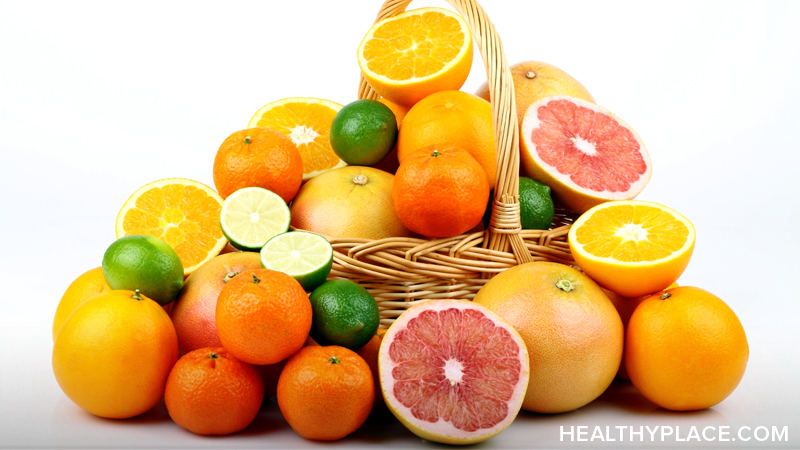
Since vitamin C is not produced by the body, it must be obtained from fruits and vegetables. Some excellent sources of vitamin C are oranges, green peppers, watermelon, papaya, grapefruit, cantaloupe, strawberries, kiwi, mango, broccoli, tomatoes, brussels sprouts, cauliflower, cabbage, and citrus juices or juices fortified with Vitamin C. Raw and cooked leafy greens (turnip greens, spinach), red and green peppers, canned and fresh tomatoes, potatoes, winter squash, raspberries, blueberries, cranberries and pineapple are also rich sources of Vitamin C. Vitamin C is sensitive to light, air, and heat, so it is best to eat fruits and vegetables raw, or minimally cooked in order to retain their full vitamin C content.
Vitamin C Available Forms
You can purchase either natural or synthetic vitamin C, also called ascorbic acid, in a wide variety of forms. Tablets, capsules, and chewables are probably the most popular, but vitamin C also comes in powdered crystalline, effervescent, and liquid forms. Vitamin C can be purchased in dosages ranging from 25 mg to 1,000 mg.
"Buffered" vitamin C is also available if you find that regular ascorbic acid upsets your stomach. An esterified form of vitamin C is also available, which tends to be better tolerated by people who are prone to heartburn or have a sensitive stomach.
Some vitamin C supplements contain bioflavonoids, which appear to enhance absorption and utilization of ascorbic acid.
There is concern about tooth enamel erosion occurring from the acid content of chewable vitamin C.
How to Take Vitamin C
Vitamin C is not stored in the body, so it must be replaced as it gets used. The best way to take supplements is with meals two or three times per day, depending on the dosage. Some studies suggest that adults should take between 250 mg and 500 mg twice a day for maximum benefit. A knowledgeable healthcare provider should be consulted before taking more than 1,000 mg of vitamin C on a daily basis and before giving vitamin C to a child.
Daily intake of dietary vitamin C (according to the U.S. RDA), are listed below.
Pediatric
- Neonates 1 to 6 months: 30 mg
- Infants 6 to 12 months: 35 mg
- Children 1 to 3 years: 40 mg
- Children 4 to 6 years: 45 mg
- Children 7 to 10 years: 45 mg
- Children 11 to 14 years: 50 mg
- Adolescent girls 15 to18 years: 65 mg
- Adolescent boys 15 to18 years: 75 mg
Adult
- Men over 18 years: 90 mg
- Women over 18 years: 75 mg
- Breastfeeding women: first 6 months: 95 mg
- Breastfeeding women: second 6 months: 90 mg
Because smoking depletes vitamin C, people who smoke generally need an additional 35 mg/day.
The doses recommended to prevent or to treat many of the conditions mentioned in the Uses section is often between 500 and 1,000 mg per day.
Precautions
Because of the potential for side effects and interactions with medications, dietary supplements should be taken only under the supervision of a knowledgeable healthcare provider.
It is important to drink plenty of fluids when taking supplemental vitamin C because it has a diuretic effect.
Most commercially available vitamin C is derived from corn. People sensitive to corn should look for alternative sources, such as sago palm.
Vitamin C increases the amount of iron absorbed from foods. This may be helpful for people who have low blood iron levels. However, people with hemochromatosis should not take vitamin C supplements because of enhanced accumulation of non-heme iron in the presence of this vitamin.
During periods of stress (either emotional or physical), urinary excretion of vitamin C is increased. Extra vitamin C through vitamin C rich foods as well as supplements is often recommended to keep the immune system working properly during these times.
While vitamin C is generally non-toxic, in high doses (more than 2,000 mg daily) it can cause diarrhea, gas, or stomach upset. Those who have kidney problems should check with a healthcare provider before taking vitamin C supplements. Infants born to mothers taking 6,000 mg or more of vitamin C may develop rebound scurvy due to a sudden drop in daily intake. As described earlier, scurvy is a condition caused by extreme vitamin C deficiency. See earlier explanation for the possible symptoms of vitamin C deficiency.
Possible Interactions
If you are currently being treated with any of the following medications, you should not use vitamin C supplements without first talking to your healthcare provider.
Aspirin and Nonsteroidal Anti-Inflammatory Drugs (NSAIDs)
Very limited research suggests that vitamin C may protect the stomach and intestines against injury from NSAIDs such as ibuoprofen. On the other hand, high doses of vitamin C (equal to or greater than 500 mg per day) may raise the blood levels of aspirin and other acidic medications.
Acetominophen
Vitamin C may decrease excretion of acetaminophen (a medication sold over the counter for pain and headache) in the urine, which may increase blood levels of this medication.
Diuretics, Loop
Animal studies suggest that vitamin C may amplify the effects of furosemide, which belongs to a class of medications known as loop diuretics.
Beta-blockers for high blood pressure
Vitamin C may decrease the absorption of propranolol, a medication that belongs to a class known as beta-blockers used for high blood pressure and other heart-related conditions. If taking vitamin C and a beta-blocker, therefore, it is best to take them at different times of the day.
Cyclosporine
Cyclosporine, a medication used for the treatment of cancer, may reduce blood levels of vitamin C.
Nitrate Medications for heart disease
The combination of vitamin C with nitroglycerin, isosorbide dinitrate, or isosorbide mononitrate reduces the occurrence of nitrate tolerance. Nitrate tolerance is when the body builds up a tolerance to the medicine so that it no longer has its desired effect. People taking nitrate-containing medications generally follow a 12 hours on, 12 hours off schedule to avoid this tolerance. Studies suggest that taking vitamin C along with nitrate medications may reduce the development of this tolerance.
Tetracycline
There is some evidence that taking vitamin C with the antibiotic tetracycline may increase the levels of this medication.
Warfarin
There have been rare case reports of vitamin C interfering with the effectiveness of this blood thinning medication. In recent follow up studies, no such association has been found with doses of vitamin C up to 1,000 mg per day. Because of these much earlier reports, however, some conservative clinicians suggest not exceeding RDA values of vitamin C (see earlier section entitled How To Take It). Whether taking recommended dietary amounts or larger quantities of vitamin C, anyone on warfarin must have their bleeding time measured regularly and followed closely using a value called an INR, measured at your doctor's office. If you take this blood thinner, any time you make a change to your diet, medications, or supplements, you must notify your physician.
Supporting Research
Anderson JW, Gowri MS, Turner J,et al. Antioxidant supplementation effects low density lipoprotein oxidation for individuals with type 2 diabetes mellitus. J Amer Coll Nutr. 1999;18:451-461.
Antoon AY, Donovan DK. Burn Injuries. In: Behrman RE, Kliegman RM, Jenson HB, eds. Nelson Textbook of Pediatrics. Philadelphia, Pa: W.B. Saunders Company; 2000:287-294.
Appel LJ. Nonpharmacologic therapies that reduce blood pressure: a fresh perspective. Clin Cardiol. 1999;22(Suppl. III):III1-III5.
Audera C, Patulny RV, Sander BH, Douglas RM. Mega-dose vitamin C in treatment of the common cold: a randomised controlled trial. Med J Aust. 2001;175(7):359-362.
Ausman LM. Criteria and recommendations for vitamin C intake. Nutr Review. 1999;57(7):222-229.
Braun BL, Fowles JB, Solberg L, Kind E, Healey M, Anderson R. Patient beliefs about the characteristics, causes, and care of the common cold: an update. J Fam Pract. 2000;49(2):153-156.
Carr AC, Frei B. Toward a new recommended dietary allowance for vitamin C based on antioxidant and health effects in humans. Am J Clin Nutr. 1999;69(6):1086-1107.
Christen WG, Ajani UA, Glynn RJ, Manson JE, Schaumberg DA, Chew EC, Buring JE, Hennekens CH. Prospective cohort study of antioxidant vitamin supplement use and the risk of age-related maculopathy. Am J Epidemiol. 1999;149(5):476-484.
Cunningham J. The glucose/insulin system and vitamin C: implications in insulin-dependent diabetes mellitus. J Amer Coll Nutr. 1998; 17:105-8.
Daniel TA, Nawarskas JJ. Vitamin C in the prevention of nitrate tolerance. Ann Pharacother. 2000;34(10):1193-1197.
de Burgos AM, Wartanowicz M, Ziemlanowski S. Blood vitamin and lipid levels in overweight and obese women. Eur J Clin Nutr. 1992;46:803-808.
De-Souza DA, Greene LJ. Pharmacological nutrition after burn injury. J Nutr. 1998;128:797-803.
Diplock AT. Safety of antioxidant vitamins and beta-carotene. Am J Clin Nutr. 1995;62(6 Suppl):1510S-1516S.
Douglas RM, Chalker EB, Treacy B. Vitamin C for preventing and treating the common cold. Cochrane Database Syst Rev. 2000;(2):CD000980.
Dreher F, Denig N, Gabard B, Schwindt DA, Maibach HI. Effect of topical antioxidants on UV-induced erythema formation when administered after exposure. Dermatology. 1999;198(1):52-55.
Dreher F, Gabard B, Schwindt DA, Maibach HI. Topical melatonin in combination with vitamins E and C protects skin from ultraviolet-induced erythema: a human study in vivo. Br J Dermatol. 1998;139(2):332-339.
Duffy S, Gokce N, Holbrook M, et al. Treatment of hypertension with ascorbic acid. Lancet. 1999;354:2048-2049.
Eberlein-Konig B, Placzek M, Przybilla B. Protective effect against sunburn of combined systemic ascorbic acid (vit.C) and D-alpha-tocopherol (vit.E). J Am Acad Dermatol. 1998;38:45-48.
Enstrom JE, Kanim LE, Klein MA. Vitamin C intake and mortality among a sample of the United States population. Epidemiology. 1992;3(3):194-202.
Fahn S. A pilot trial of high-dose alpha tocepherol and ascorbate in early Parkinson's disease. Ann Neurol. 1992;32:S128-S132.
Frei B. On the role of vitamin C and other antioxidants in atherogenesis and vascular dysfunction. Proc Soc Exp Biol Med. 1999;222(3):196-204.
Fuchs J, Kern H. Modulation of UV-light-induced skin inflammation by D-alpha-tocopherol and L-ascorbic acid: a clinical study using solar simulated radiation. Free Radic Biol Med. 1998;25(9):1006-1012.
Gandini S, Merzenich H, Robertson C, Boyle P. Meta-analysis of studies on breast cancer risk and diet: the role of fruit and vegetable consumption and the intake of associated micronutrients. Eur J Cancer. 2000;36:636-646.
Gokce N, Keaney JF, Frei B, et al. Long-term ascorbic acid administration reverses endothelial vasomotor dysfunction in patients with coronary artery disease. Circulation. 1999;99:3234-3240.
Gonzalez J, Valdivieso A, Calvo R, Rodriguez-Sasiain J, et al. Influence of vitamin C on the absorption and first pass metabolism of propranolol. Eur J Clin Pharmacol. 1995;48:295-297.
Gorton HC, Jarvis K. The effectiveness of vitamin C in preventing and relieving the symptoms of virus-induced respiratory infections. J Manipulative Physiol Ther. 1999;22(8):530-533.
Giuliano AR, Gapstur S. Can cervical dysplasia and cancer be prevented with nutrients? Nutr Rev. 1988;56(1):9-16.
Harris JE. Interaction of dietary factors with oral anticoagulants: review and applications. J Am Diet Assoc. 1995;95(5):580-584.
Head KA. Natural therapies for ocular disorders, part two: cataracts and glaucoma. Altern Med Rev. 2001;6(2):141-66.
Hemilia H. Vitamin C intake and susceptibility to the common cold. Br J Nutr. 1997;77(1):59-72.
Hemilia H, Douglas RM. Vitamin C and acute respiratory infections. Int J Tuberc Lung Dis. 1999;3(9):756-761.
Houston JB, Levy G. Drug biotransformation interactions in man VI: acetaminophen and ascorbic acid. J Pharm Sci. 1976;65(8):1218-1221.
Institute of Medicine. Dietary Reference Intakes for Vitamin C, Vitamin E, Selenium, and Carotenoids. Washington, DC: National Academy Of Sciences. 2002. Accessed March 4, 2002 at www.iom.edu.
Jacques PF. The potential preventive effects of vitamins for cataract and age-related macular degeneration. Int J Vitam Nutr Res. 1999;69(3):198-205.
Johnston CS. Recommendations for vitamin C intake. JAMA. 1999;282(22):2118-2119.
Johnston CS, Martin LJ, Cai X. Antihistamine effect of supplemental ascorbic acid and neutrophil chemotaxis. J Am Coll Nutr. 1992;11:172-176.
Kaur B, Rowe BH, Ram FS. Vitamin C supplementation for asthma (Cochrane Rview). Cochrane Databse Syst Rev. 2001;4:CD000993.
Kitiyakara C, Wilcox C. Antioxidants for hypertension. Curr Opin Nephrol Hyperten. 1998;7:S31-S38.
Kune GA, Bannerman S, Field B, et al. Diet, alcohol, smoking, serum beta-carotene, and vitamin A in male nonmelanocytic skin cancer patients and controls. Nutr Cancer. 1992;18:237-244.
Kurowska EM, Spence JD, Jordan J, Wetmore S, Freeman DJ, Piche LA, Serratore P. HDL-cholesterol-raising effect of orange juice in subjects with hypercholesterolemia. Am J Clin Nutr. 2000;72(5):1095-1100.
Laight DW, Carrier MJ, Anggard EE. Antioxidants, diabetes and endothelial dysfunction. Cardiovasc Res. 2000;47:457-464.
Langlois M, Duprez D, Delanghe J, De Buyzere M, Clement DL. Serum vitamin C concentration is low in peripheral arterial disease and is associated with inflammation and severity of atherosclerosis. Circulation. 2001;103(14):1863-1868.
Lee M, Chiou W. Mechanism of ascorbic acid enhancement of the bioavailability and diuretic effect of furosemide. Drug Metab Dispos. 1998;26:401-407.
Levine GN, Frei B, Koulouris SN, Gerhard MD, Keaney FJ, Vita JA. Ascorbic acid reverses endothelial vasomotor dysfunction in patients with coronary artery disease. Circulation. 1996;93:1107-1113.
Levine M, Rumsey SC, Daruwala R, Park JB, Wang Y. Criteria and recommendations for vitamin C intake. JAMA. 1999;281(15):1415-1453.
Levine M, Wang Y, Padayatty SJ, Morrow J. A new recommended dietary allowance of vitamin C for healthy young women. PNAS. 2001;98(17):9842-9846.
Levy. Beta-carotene affects antioxidant status in non-insulin dependent. Pathophysiology. 1999;6(3):157-161.
Lykkesfeldt J, Christen S, Wallock LM, Chang HH, Jacob RA, Ames BN. Ascorbate is depleted by smoking and repleted by moderate supplementation: a study in male smokers and nonsmokers with matched dietary antioxidant intakes. Am J Clin Nutr. 2000;71(2):530-536.
McAlindon TE, Felson DT, Zhang Y, et al. Relation of dietary intake of serum levels of vitamin D to progression of osteoarthritis of the knee among participants in the Framingham study. Ann Intern Med. 1996;125:353-359.
McAlindon M, Muller A, Filipowicz B, Hawkey C. Effect of allopurinol, sulphasalazine, and vitamin C on aspirin induced gastroduodenal injury in human volunteers. Gut. 1996;38:518-524.
Mackerras D, Irwig L, Simpson JM, et al. Randomized double-blind trial of beta-carotene and vitamin C in women with minor cervical abnormalities. Br J Cancer. 1999;79(9-10):1448-1453.
Masaki KH, Losonczy KG, Izmirlian G. Association of vitamin E and C supplement use with cognitive function and dementia in elderly men. Neurology. 2000;54:1265-1272.
McCloy R. Chronic pancreatitis at Manchester, UK. Focus on antioxidant therapy. Digestion. 1998;59(suppl 4):36-48.
Meyer NA, Muller MJ, Herndon DN. Nutrient support of the healing wound. New Horizons. 1994;2(2):202-214.
Morris MC, Beckett LA, Scherr PA, et al. Vitamin E and vitamin C supplement use and risk of incident Alzheimer disease. Alzheimer Dis Assoc Disord. 1998;12:121-126.
Mosca L, Rubenfire M, Mandel C, et al. Antioxidant nutrient supplementation reduces the susceptibility of low density lipoprotein to oxidation in patients with coronary artery disease. J Am Coll Cardiol. 1997;30:392-399.
Ness AR, Chee D, Elliot P. Vitamin C and blood pressure - an overview. J Hum Hypertens. 1997;11:343-350.
Nutrients and Nutritional Agents. In: Kastrup EK, Hines Burnham T, Short RM, et al, eds. Drug Facts and Comparisons. St. Louis, Mo: Facts and Comparisons; 2000:4-5.
Nyyssonen K, Parviainen MT, Salonen R, Tuomilehto J, Salonen JT. Vitamin C deficiency and risk of myocardial infarction: prospective population study of men from eastern Finland. BMJ. 1997;314:634-638.
Omray A. Evaluation of pharmacokinetic parameters of tetracylcine hydrochloride upon oral administration with vitamin C and vitamin B complex. Hindustan Antibiot Bull. 1981;23(VI):33-37.
Padayatty SJ, Levine M. Reevaluation of ascorbate in cancer treatment: emerging evidence, open minds and serendipity. J Am Coll Nutr. 2000;19(4):423-425.
Pratt S. Dietary prevention of age-related macular degeneration. J Am Optom Assoc. 1999;70:39-47.
Rimm EB, Willett WC, Hu FB, et al. Folate and vitamin B6 from diet and supplements in relation to risk of coronary heart disease among women. JAMA. 1998;279:359-364.
Rohan TE, Howe GR, Friedenreich CM, Jain M, Miller AB. Dietary fiber, vitamins A, C, and E, and risk of breast cancer: a cohort study. Cancer Causes Control. 1993;4:29-37.
Rock CL, Michael CW, Reynolds RK, Ruffin MT. Prevention of cervix cancer. Crit Rev Oncol Hematol. 2000;33(3):169-185.
Sahl WJ, Glore S, Garrison P, Oakleaf K, Johnson SD. Basal cell carcinoma and lifestyle characteristics. Int J Dermatol. 1995;34(6):398-402.
Schumann K. Interactions between drugs and vitamins at advanced age. Int J Vitam Nutr Res. 1999;69(3):173-178.
Seaton A, Devereux G. Diet, infection and wheezy illness: lessons from adults. Pediatr Allergy Immunol. 2000;11 Suppl 13:37-40.
Seddon JM, Ajani UA, Sperduto RD, et al. Dietary carotenoids, vitamins A, C, and E, and advanced age-related macular degeneration. JAMA. 1994;272:1413-1420.
Segasothy M, Phillips PA. Vegetarian diet: panacea for modern lifestyle diseases? QJM. 1999;92(9):531-544.
Smith W, Mitchell P, Webb K, Leeder SR. Dietary antioxidants and age-related maculopathy: the Blue Mountains Eye Study. Ophthalmology. 1999;106(4):761-767.
Sowers MF, Lachance L. Vitamins and arthritis: The roles of vitamins A, C, D, and E. Rheum Dis Clin North Am. 1999;25(2):315-331.
Stockley IH. Drug Interactions. London: Pharmaceutical Press, 1999; 432.
Takkouche B, Regueira-Mendez C, Garcia-Closas R, Figueiras A, Gestal-Otero JJ. Intake of vitamin C and zinc and risk of common cold: a cohort study. Epidemiology. 2002;13(1):38-44.
Taylor A, Jacques PF, Chylack LT Jr, et al. Long-term intake of vitamins and carotenoids and odds of early age-related cortical and posterior subcapsular lens opacities. Am J Clin Nutr. 2002;75(3):540-549.
Tofler GH, Stec JJ, Stubbe I, Beadle J, Feng D, Lipinska I, Taylor A. The effect of vitamin C supplementation on coagulability and lipid levels in healthy male subjects. Thromb Res. 2000;100(1):35-41.
VandenLangenberg GM, Mares-Perlman JA, Klein R, Klein BE, Brady WE, Palta M. Associations between antioxidant and zinc intake and the 5-year incidence of early age-related maculopathy in the Beaver Dam Eye Study. Am J Epidemiol. 1998;148(2):204-214.
VanEenwyk J, Davis FG, Colman N. Folate, vitamin C, and cervical intraepithelial neoplasia. Cancer Epidemiol Biomarkers Prev. 1992;1(2):119-124.
van Rooij J, Schwartzenberg SG, Mulder PG, Baarsma SG. Oral vitamins C and E as additional treatment in patients with acute anterior uveitis: a randomised double masked study in 145 patients. Br J Ophthalmol. 1999;83(11):1277-1282.
Watanabe H, Kakihana M, Ohtsuka S, Sugishita Y. Randomized, double-blind, placebo-controlled study of ascorbate on the preventive effect of nitrate tolerance in patients with congestive heart failure. Circulation. 1998;97(9):886-891.
Watanabe H, Kakihana M, Ohtsuka S, Sugishita Y. Randomized, double-blind, placebo-controlled study of the preventive effect of supplemental oral vitamin C on attenuation of development of nitrate tolerance. J Am Coll Cardiol. 1998;31(6):1323-1329.
Yokoyama T, Date C, Kokubo Y, Yoshiike N, Matsumura Y, Tanaka H. Serum vitamin C concentration was inversely associated with subsequent 20-year incidence of stroke in a Japanese rural community. The Shibata study. Stroke. 2000;31(10):2287-2294.
The publisher does not accept any responsibility for the accuracy of the information or the consequences arising from the application, use, or misuse of any of the information contained herein, including any injury and/or damage to any person or property as a matter of product liability, negligence, or otherwise. No warranty, expressed or implied, is made in regard to the contents of this material. No claims or endorsements are made for any drugs or compounds currently marketed or in investigative use. This material is not intended as a guide to self-medication. The reader is advised to discuss the information provided here with a doctor, pharmacist, nurse, or other authorized healthcare practitioner and to check product information (including package inserts) regarding dosage, precautions, warnings, interactions, and contraindications before administering any drug, herb, or supplement discussed herein.
APA Reference
Staff, H.
(2009, January 10). Vitamin C (Ascorbic Acid), HealthyPlace. Retrieved
on 2024, April 20 from https://www.healthyplace.com/alternative-mental-health/supplements-vitamins/vitamin-c-ascorbic-acid