Vitamin A
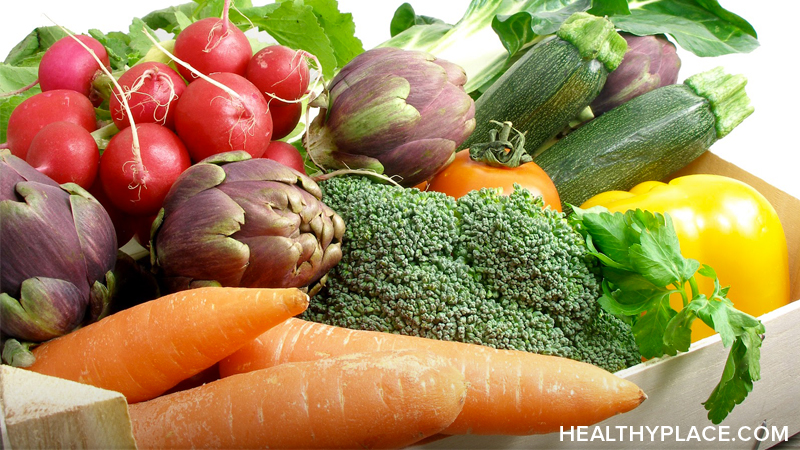
Vitamin A is essential to good vision. Vitamin A also plays a role in Alzheimer's Disease, HIV, and Inflammatory Bowel Disease (IBD). Learn about the usage, dosage, side-effects of vitamin A.
- Overview
- Uses
- Dietary Sources
- Available Forms
- How to Take It
- Precautions
- Possible Interactions
- Supporting Research
Overview
Vitamin A is very important for maintaining good vision. In fact, the first sign of a vitamin A deficiency is often night blindness. Vitamin A also contributes to the maintenance of healthy skin and mucous membranes that line the nose, sinuses, and mouth. Research has shown that this nutrient is necessary for proper immune system function, growth, bone formation, reproduction, and wound healing. Animal studies also suggest that it provides some protection from toxic chemicals such as dioxins. (Dioxins are released into the air from combustion processes such as commercial waste incineration and burning fuels like wood, coal or oil. These chemicals can also be found in cigarette smoke.)
The liver can store up to a year's supply of vitamin A. However, these stores become depleted when a person is sick or has an infection. Research suggests that parasitic infections such as intestinal worms may deplete the body's vitamin A stores and interfere with its absorption.
Vitamin A is a fat-soluble vitamin derived primarily from animal-based foods. However, the body can also make vitamin A from beta-carotene, a fat-soluble nutrient found in dark green leafy vegetables and the more brightly colored fruits and vegetables such as carrots, sweet potatoes, and cantaloupe.
Vitamin A Uses
Acne, Psoriasis, and other Skin disorders
Topical and oral preparations containing retinoids (synthetic form of vitamin A) are helpful in clearing up acne and psoriasis and have shown promise for treating other skin disorders such as rosacea, premature aging from the sun, and warts. These are given by prescription.
Eye Disorders
A number of vision disorders involving the retina and cornea are associated with vitamin A deficiencies. Night blindness, for example, and xerophthalmia (characterized by dry eyes) improve with vitamin A supplementation. A large, population-based study conducted in Australia showed that vitamin A had a protective effect against cataracts.
Wounds and Burns
The body needs vitamin A, along with several other nutrients, in order to form new tissue and skin. The body's levels of vitamin A are low immediately after burn injuries, for example. Supplementation with beta-carotene helps the body replenish vitamin A stores, strengthen the immune system, relieve oxidative stress caused by the injury, and aid the body in forming new tissue.
Immune System
Research has shown that vitamin A boosts the immune system by stimulating white blood cell function and increasing the activity of antibodies (proteins that attach to foreign proteins, microorganisms, or toxins in order to neutralize them). Vitamin A deficiency may be associated with increased risk of infection and infections tend to deplete the body's stores of vitamin A.
Vitamin A deficiency, for example, is common among children in many developing countries who are prone to infections, which often results in life-threatening diarrhea. Low levels of vitamin A are also particularly severe among children infected with the human immunodeficiency virus (HIV). Some studies suggest that vitamin A supplements may reduce the risk of death in children infected with HIV. Your doctor will determine whether vitamin A (in addition to standard treatment) is necessary and appropriate.
Measles
People, particularly children, who are deficient in vitamin A are more likely to develop infections (including measles). Vitamin A deficiencies also cause such infections to be more severe, even fatal. Vitamin A supplements reduce the severity and complications of measles in children. Vitamin A also reduces the risk of death in infants with this disease (especially in those who have low levels of the vitamin). In areas of the world where vitamin A deficiency is widespread or where at least 1% of those with measles die, the World Health Organization recommends giving high doses of vitamin A supplements to children with the infection.
Intestinal Parasites
There is evidence that roundworms such as Ascaris deplete vitamin A stores in people, particularly children, leaving them less able to fight off infections. At the same time, it appears that low vitamin A levels can make a person more susceptible to intestinal parasites. There is not enough scientific evidence at this point, however, to suggest that taking vitamin A supplements helps prevent or treat intestinal parasites. More research is underway.
Osteoporosis
An appropriate balance of vitamin A -- not too much and not too little -- is necessary for normal bone development. Low levels of vitamin A may contribute to the development of bone loss or osteoporosis. On the other hand moderately high doses of vitamin A (exceeding 1,500 mcg or 5,000 IU per day) may lead to bone loss. Therefore, for prevention or treatment of osteoporosis, it is best to obtain vitamin A from food sources and not to eat more than the recommended dietary allowance (RDA).
Inflammatory Bowel Disease (IBD)
Many people with IBD (both ulcerative colitis and Crohn's disease) have vitamin and mineral deficiencies, including vitamin A. Further research is needed to determine whether supplementation with vitamin A or other individual vitamins or minerals may help treat the symptoms of IBD. In the meantime, healthcare practitioners often recommend a multivitamin to people with this condition.
Bone Marrow Disorders
Results from a carefully conducted 7-year clinical study suggest that a modest dose of vitamin A (together with chemotherapy) may help improve survival time in patients with certain bone marrow disorders such as chronic myelogenous leukemia (CML; considered a myeloproliferative disorder). Research suggests that retinoids such as vitamin A have antitumor effects against juvenile CML (which accounts for 3% to 5% of cases of leukemia in children), as well as certain cancer cells grown in the laboratory.
Cancer
Vitamin A, beta-carotene, and other carotenoids from foods may be associated with decreased risk of certain cancers (such as breast, colon, esophageal, and cervical). In addition, some laboratory studies suggest that vitamin A and carotenoids may help fight against certain types of cancer in test tubes. However, there is no proof that these supplements can help prevent or treat cancer in people. In fact, some evidence suggests that beta-carotene and, possibly, vitamin A may put people at increased risk of lung cancer, particularly smokers.
Preliminary evidence suggests that a topical form of vitamin A, applied to the cervix (the opening to the uterus) with sponges or cervical caps shows promise for the treatment of cervical cancer. Also, women with HIV who are deficient in vitamin A may be at greater risk for cervical cancer (a common occurrence in women with HIV) than those with normal levels of this vitamin. More research is needed before conclusions can be drawn about use of vitamin A to treat or prevent cervical cancer or cervical dysplasia (a precancerous change to the cervix).
Similarly, use of retinoids (a synthetic form of vitamin A) for skin cancer is currently under scientific investigation. Vitamin A and beta-carotene levels in the blood tend to be lower in people with certain types of skin cancer. However, results of studies evaluating higher amounts of natural forms of vitamin A or beta-carotene for skin cancer have been mixed.
Tuberculosis
Although early studies showed no improvement in children who took vitamin A with standard treatment for tuberculosis (TB), a very recent study found that this vitamin (together with zinc) may enhance the effects of certain TB drugs. These changes were demonstrated just two months after starting the vitamin A. More research is warranted. Until then, your doctor will determine if the addition of vitamin A is appropriate and safe.
Peritonitis
Although the effects of vitamin A on peritonitis have not been studied in people, animal studies suggest that this vitamin may prove to be useful in combination with antibiotic therapy for the treatment of this condition.
Osteoarthritis
Vitamin A plays an important role in bone formation and also acts as an antioxidant, so some researchers believe that it may help reduce symptoms of osteoarthritis. No studies have investigated this possibility, however.
Food Poisoning
Animal studies suggest that rats who are deficient in vitamin A are more likely to become infected with Salmonella (one type of bacteria that can cause food poisoning). Also, rats infected with Salmonella tend to eliminate the bacteria from their bodies faster when treated with vitamin Athan with placebo. They also gain more weight and have a better immune response than placebo-treated rats. How this ultimately relates to people is not known at this time, however.
Vitamin A and Alzheimer's Disease
Preliminary studies suggest that levels of vitamin A and its precursor, beta-carotene, may be significantly lower in people with Alzheimer's compared to healthy individuals, but the effects of supplementation have not been studied.
Miscarriage
Vitamin A and beta-carotene levels tend to be lower in women who have miscarried. These nutrients are generally found in prenatal vitamins. Your doctor or nutritionist can advise you about the appropriate amount to look for in a vitamin. The amount of vitamin A taken should not exceed the recommendation of your healthcare provider because too much vitamin A can lead to birth defects.
Human Immunodeficiency Virus (HIV)
Vitamin A deficiency is fairly common in those with HIV. In addition, pregnant women who have HIV are more likely to transmit the virus to their unborn child if their zinc levels are low compared to HIV-positive women with normal zinc levels. Although more research is needed, vitamin A supplements may delay the progression of HIV to Acquired Immunodeficiency Syndrome (AIDS), diminish symptoms of HIV and AIDS such as diarrhea, and help to prevent the transmission of the virus from mother to child.
Other
Additional conditions for which vitamin A may prove useful include ulcers (crater like lesion of the skin or mucosal membranes) of the cornea, stomach or small intestines (called peptic ulcer), and legs (often due to poor circulation or collection of fluid, called stasis ulcer). Gingivitis (inflammation of the gums) is another condition for which vitamin A may prove useful. Much more research is needed in each of these areas.
Vitamin A Dietary Sources
Vitamin A, in the form of retinyl palmitate, is found in beef, calf, chicken liver; eggs, and fish liver oils as well as dairy products including whole milk, whole milk yogurt, whole milk cottage cheese, butter, and cheese.
Vitamin A can also be produced in the body from beta-carotene and other carotenoids (fat-soluble nutrients found in fruits and vegetables). Most dark-green leafy vegetables and deep yellow/orange vegetables and fruits (sweet potatoes, carrots, pumpkin and other winter squashes, cantaloupe, apricots, peaches,and mangoes) contain substantial amounts of beta-carotene. By eating these beta-carotene rich foods, a person can increase their supply of vitamin A.
Vitamin A Available Forms
Vitamin A supplements are available as either retinol or retinyl palmitate. All forms of vitamin A are readily absorbed by the body.
Tablets or capsules are available in 10,000 IU, 25,000 IU, and 50,000 IU doses. A healthcare provider can help determine the appropriate dosage of vitamin A. Most multivitamins contain the recommended dietary allowance (RDA) for vitamin A (see How To Take It).
In many cases, taking beta-carotene (a building block of vitamin A, is a safer alternative to taking vitamin A. Unlike vitamin A, beta-carotene does not build up in the body, so it can be taken in larger amounts without the same risk. This makes it a better alternative for children, adults with liver or kidney disease, and pregnant women in particular.
How to Take Vitamin A
Vitamin A is a fat-soluble vitamin and is absorbed along with fat in the diet. Foods or supplements containing vitamin A should be taken during or shortly after a meal.
Therapeutic doses have ranged as high as 50,000 IU for adults. However, any high dose therapy (more than 25,000 IU for an adult or 10,000 IU for a child) should be closely monitored by a healthcare professional. The effect of such high doses on children is not known.
Daily dietary intakes for vitamin A are listed below.
Pediatric
- Infants birth to 6 months: 400 mcg or 1,333 IU of retinol (AI)
- Infants 7 to 12 months: 500 mcg or 1,667 IU of retinol (AI)
- Children 1 to 3 years: 300 mcg or 1,000 IU of retinol (RDA)
- Children 4 to 8 years: 400 mcg or 1,333 IU of retinol (RDA)
- Children 9 to 13 years: 600 mcg or 2,000 IU of retinol (RDA)
- Males 14 to 18 years: 900 mcg or 3,000 IU of retinol (RDA)
- Females 14 to 18 years: 700 mcg or 2,333 IU of retinol (RDA)
Adult
- Males 19 years and older: 900 mcg or 3,000 IU of retinol (RDA)
- Females 19 years and older: 700 mcg or 2,333 IU of retinol (RDA)
- Pregnant females 14 to 18 years: 750 mcg or 2,500 IU of retinol (RDA)
- Pregnant females 19 years and older: 770 mcg or 2,567 IU of retinol (RDA)
- Breastfeeding females 14 to 18 years: 1,200 mcg or 4,000 IU of retinol (RDA)
- Breastfeeding females 19 years and older: 1,300 mcg or 4,333 IU of retinol (RDA)
Precautions
Because of the potential for side effects and interactions with medications, dietary supplements should be taken only under the supervision of a knowledgeable healthcare provider.
An excess of vitamin A taken during pregnancy can cause birth defects in the fetus. Because all prenatal vitamins contain some vitamin A, taking any more during pregnancy can pose potential danger to the fetus.
Too much vitamin A is toxic to the body and can cause liver failure, even death. Some of the symptoms of vitamin A toxicity are lasting headache, fatigue, muscle and joint pain, dry skin and lips, dry or irritated eyes, nausea or diarrhea, and hair loss. While it is unlikely that one could get toxic amounts of vitamin A from food sources alone, it is quite possible to do so with supplements. Consuming more than 25,000 IU of vitamin A per day (adults) and 10,000 IU per day (children) from either food or supplements or both is known to be toxic. For those 19 and older, the tolerable upper limit for vitamin A consumption has been set at 10,000 IU per day. Clearly, it is important to take vitamin A supplements only under the careful supervision of a knowledgeable healthcare provider.
While low levels of vitamin A may contribute to the development of bone loss or osteoporosis, doses exceeding 1,500 mcg or 5,000 IU per day may lead to bone loss. Therefore, for prevention or treatment of osteoporosis, it is best to obtain vitamin A from food sources and not to eat more than the recommended dietary allowance (RDA).
Both vitamin A and beta-carotene may increase triglycerides (fatty deposits in the body that rise after eating) and even increase risk of death from heart disease, particularly in smokers.
Vitamin A is found in many different types of vitamin formulas. For example, supplements that say "wellness formula," "immune system formula," "cold formula," "eye health formula," "healthy skin formula," or "acne formula," all tend to contain vitamin A. Those who take a variety of different formulas could therefore put themselves at risk for vitamin A toxicity.
Vitamin A supplements should not be taken while using any vitamin A - derived drugs, such as isotretinoin and tretinoin.
In addition, synthetic vitamin A can cause birth defects. For this reason, this type of vitamin A should not be used by pregnant women or women who are trying to become pregnant.
Possible Interactions
If you are currently being treated with any of the following medications, you should not use vitamin A without first talking to your healthcare provider.
Antacids
One study suggests that the combination of vitamin A and antacids may be more effective than antacids alone in healing ulcers.
Birth Control Medications
Birth control medications increase the levels of vitamin A in women. Therefore, it may not be appropriate for women taking birth control medications to take vitamin A supplements. Again, this is something that should be discussed with a knowledgeable healthcare provider.
Blood thinning Medications, Anticoagulants
Long-term use of vitamin A or use of high doses may lead to an increased risk of bleeding for those taking blood-thinning medications, particularly warfarin. People taking this medication should notify a doctor before taking vitamin A supplements.
Cholesterol-lowering Medications
The cholesterol-lowering medications cholestyramine and colestipol (both known as bile acid sequestrants), may reduce the body's ability to absorb vitamin A.
Another class of cholesterol-lowering medications called HMG-CoA reductase inhibitors or statins (including atorvastatin, fluvastatin, and lovastatin, among others) may actually increase vitamin A levels in the blood.
Doxorubicin
Test tube studies suggest that vitamin A may enhance the action of doxorubicin, a medication used for cancer. Much more research is needed, however, to know whether this has any practical application for people.
Neomycin
This antibiotic may reduce vitamin A absorption, especially when delivered in large doses.
Omeprazole
Omeprazole (used for gastroesophageal reflux disease or "heart burn") may influence the absorption and effectiveness of beta-carotene supplements. It is not known whether this medication affects the absorption of beta-carotene from foods.
Weight Loss Products
Orlistat, a medication used for weight loss and olestra, a substance added to certain food products, are both intended to bind to fat and prevent the absorption of fat and the associated calories. Because of their effects on fat, orlistat and olestra may also prevent the absorption of fat-soluble vitamins such as vitamin A. Given this concern and possibility, the Food and Drug Administration (FDA) now requires that vitamin A and other fat soluble vitamins (namely, D, E, and K) be added to food products containing olestra. How well vitamin A from such food products is absorbed and used by the body is not clear. In addition, physicians who prescribe orlistat add a multivitamin with fat soluble vitamins to the regimen.
Alcohol
Alcohol can enhance the toxic effects of vitamin A, presumably through its adverse effects on the liver. It is unwise to take vitamin A if you drink regularly.
Supporting Research
Albanes D, Heinonen OP, Taylor PR. Alpha-Tocopherol and beta-carotene supplements and lung cancer incidence in the alpha-tocopherol, beta-carotene cancer prevention study: effects of base-line characteristics and study compliance. J Natl Cancer Inst. 1996;88(21):1560-1570
Antoon AY, Donovan DK. Burn Injuries. In: Behrman RE, Kliegman RM, Jenson HB, eds. Nelson Textbook of Pediatrics. Philadelphia, Pa: W.B. Saunders Company; 2000:287-294.
Arora A, Willhite CA, Liebler DC. Interactions of beta-carotene and cigarette smoke in human bronchial epithelial cells. Carcinogenesis. 2001;22(8):1173-1178.
Ayello EA, Thomas DR, Litchford MA. Nutritional aspects of wound healing. Home Healthc Nurse. 1999;17(11):719-729.
Barrowman J, Broomhall J, Cannon A, et al. Impairment of vitamin A absorption by neomycin. Clin Sci. 1972;42:17P.
Berger M, Spertini F, Shenkin A, et al. Trace element supplementation modulates pulmonary infection rates after major burns: a double-blind, placebo-controlled trial. AmJ Clin Nutr. 1998;68:365-371.
Bershad SV. The modern age of acne therapy: a review of current treatment options. Mt Sinai J Med. 2001;68(4-5):279-286.
Bousvaros A, Zurakowski D, Duggan C. Vitamins A and E serum levels in children and young adults with inflammatory bowel disease: effect of disease activity. J Pediatr Gastroenterol Nutr. 1998;26:129-135
Carman JA, Pond L, Nashold F, Wassom DL, Hayes CE. Immunity to Trichinella spiralis infection in vitamin A-deficient mice. J Exp Med. 1992;175(1):111-120.
Ciaccio M, Tesoriere L, Pintaudi AM, et al. Vitamin A preserves the cytotoxic activity of adriamycin while counteracting its peroxidative effects in human leukemic cells in vitro. Biochem Molecular Bio Int. 1994;34(2):329-335.
Congdon NG, West KP. Nutrition and the eye. Curr Opin Opthamol. 1999;10:484-473.
Coutsoudis A, Broughton M, Coovadia HM. Vitamin A supplementation reduces measles morbidity in young African children: a randomized, placebo-controlled, double-blind trial. Am J Clin Nutr. 1991;54(5):890-895.
Cumming RG, Mitchell P, Smith W. Diet and cataract: the Blue Mountains Eye Study.
Ophthalmology. 2000;107(3):450-456.
de Menezes AC, Costa IM, El-Guindy MM. Clinical manifestations of hypervitaminosis A in human gingiva. A case report. J Periodontol. 1984;55(8):474-476.
De-Souza DA, Greene LJ. Pharmacological nutrition after burn injury. J Nutr. 1998;128:797-803.
Drott PW, Meurling S, Kulander L, Eriksson O. Effects of vitamin A on endotoxaemia in rats. Eur J Surg. 1991;157(10):565-569.
Fawzi WW. Vitamin A supplementation and child mortality. JAMA. 1993;269:898 - 903.
Fawzi WW, Mbise RL, Hertzmark E, et al. A randomized trial of vitamin A supplements in relation to mortality among human immunodeficiency virus-infected and uninfected children in Tanzania. Pediatr Infect Dis J. 1999;18:127 - 133.
Flood A, Schatzkin A. Colorectal cancer: does it matter if you eat your fruits and vegetables? J Natl Cancer Inst. 2000;92(21):1706-1707.
Fortes C, Forastiere F, Agabiti N, et al. The effect of zinc and vitamin A supplementation on immune response in an older population. J Am Geriatr Soc. 1998;46:19 - 26.
French AL, Kirstein LM, Massad LS, et al. Association of vitamin A deficiency with cervical squamous intraepithelial lesions in human immunodeficiency virus-infected women. J Infect Dis. 2000;182(4):1084-1089.
Frieling UM, Schaumberg DA, Kupper TS, Muntwyler J, Hennekens CH. A randomized, 12-year primary-prevention trial of beta carotene supplementation for nonmelanoma skin cancer in the Physicians' Health Study. Arch Dermatol. 2000;136(2):179-184.
Futoryan T, Gilchrest BA. Retinoids and the skin. Nutr Rev. 1994;52:299 - 310.
Gabriel EP, Lindquist BL, Abud RL, Merrick JM, Lebenthal E. Effect of vitamin A deficiency on the adherence of fimbriated and nonfimbriated Salmonella typhimurium to isolated small intestinal enterocytes. J Ped Gastroenterol Nutr. 1990;10:530-535.
Genser D, Kang M-H, Vogelsang H, Elmadfa I. Status of lipidsoluble antioxidants and TRAP in patients with Crohn's disease and healthy controls. Eur J Clin Nutr. 1999;53:675-679.
Hanekom WA, Potgieter S, Hughes EJ, Malan H, Kessow G, Hussey GD. Vitamin A status and therapy in childhood pulmonary tuberculosis. J Pediatr. 1997;131(6):925-927.
Harrell CC, Kline SS. Vitamin K-supplemented snacks containing olestra: implication for patients taking warfarin [letter]. JAMA. 1999;282(12):1133-1134.
Harris JE. Interaction of dietary factors with oral anticoagulants: Review and applications. Perspectives in Practice. 1995;95(5):580-584.
Hatchigian EA, Santon JE, Broitman SA, Vitale JJ. Vitamin A supplementation improves macrophage function and bacterial clearance during experimental Salmonella infection. PSEBM. 1989;191:47-54.
Hunter DJ, Manson JE, Colditz GA, et al. A prospective study of the intakes of vitamins C, E, and A and the risk of breast cancer. N Engl J Med. 1993;329:234-240.
Hussey GD, Klein M. A randomized, controlled trial of vitamin A in children with severe measles. N Engl J Med. 1990;323(3):160-164.
Institute of Medicine. Dietary Reference Intakes for Vitamin A, Vitamin K, Arsenic, Boron, Chromium, Copper, Iodine, Iron, Manganese, Molybdenum, Nickel, Silicon, Vanadium, and Zinc. Washington, DC: National Academy Press; 2001. Accessed on February 14, 2002 at http://www4.nas.edu/IOM/IOMHome.nsf/
Kang S, Fisher GJ. Voorhees JJ. Photoaging: pathogenesis, prevention, and treatment. Clin Geriatr Med. 2001;17(4):643-659.
Karyadi E, West EC, Schultink W, et al. A double-blind, placebo-controlled study of vitamin A and zinc supplementation in persons with tuberculosis in Indonesia: effects on clinical response and nutritional status. Am J Clin Nutr. 2002;75:720-727,
Kune GA, Bannerman S, Field B, et al. Diet, alcohol, smoking, serum beta-carotene, and vitamin A in male nonmelanocytic skin cancer patients and controls. Nutr Cancer. 1992;18:237-244.
Jacques PF. The potential preventive effects of vitamins for cataract and age-related macular degeneration. Int J Vitam Nutr Res. 1999;69(3):198-205.
Jalal F, Nesheim MC, Agus Z, Sanjur D, Habicht JP. Serum retinol concentrations in children are affected by food sources of beta-carotene, fat intake, and antihelmintic drug treatment. Am J Clin Nutr. 1998;68(3):623-629.
Jänne PA, Mayer RJ. Chemoprevention of colorectal cancer. N Engl J Med. 2000;342(26):1960-1968.
Jimenez-Jimenez FJ, Molina JA, de Bustos F, et al. Serum levels of beta-carotene, alpha-carotene and vitamin A in patients with Alzheimer's Disease. Eur J Neurol. 1999;6:495-497.
Kindmark A, Rollman O, Mallmin H, et al. Oral isotretinoin therapy in severe acne induces transient suppression of biochemical markers of bone turnover and calcium homeostasis. Acta Derma Venereol. 1998;78:266 - 269.
Kune GA, Bannerman S, Field B, et al. Diet, alcohol, smoking, serum beta-carotene, and vitamin A in male nonmelanocytic skin cancer patients and controls. Nutr Cancer. 1992;18:237-244.
Kuroki F, Iida M, Tominaga M, et al. Multiple vitamin status in Crohn's disease. Dig Dis Sci. 1993;38(9):1614-1618.
Leo MA, Lieber CS. Alcohol, vitamin A, and beta-carotene: adverse interactions, including hepatotoxicity and carcinogenicity. Am J Clin Nutr. 1999;69(6):1071-1085.
Mahmood T, Tenenbaum S, Niu XT, Levenson SM, Seifter E, Demetriou AA. Prevention of duodenal ulcer formation in the rat by dietary vitamin A supplementation. JPEN J Parenter Enteral Nutr. 1986;10(1):74-77.
Macsai MS, Agarwal S, Gamponia E. Bilateral corneal ulcers in primary vitamin A deficiency. Cornea. 1998;17(2):227-229.
McLaren DS. Vitamin A deficiency disorders. J Indian Med Assoc. 1999;97(8):320-323.
Melhus H, Michaelsson K, Kindmark A, et al. Excessive dietary intake of vitamin A is associated with reduced bone mineral density and increased risk for hip fracture. Ann Intern Med. 1998;129:770 - 778.
Meyer NA, Muller MJ, Herndon DN. Nutrient support of the healing wound. New Horizons. 1994;2(2):202-214.
Meyskens FL Jr, Kopecky KJ, Appelbaum FR, Balcerzak SP, Samlowski W, Hynes H. Effects of vitamin A on survival in patients with chronic myelogenous leukemia: a SWOG randomized trial. Leuk Res. 1995;19(9):605-612.
Meyskens FL Jr, Surwit E, Moon TE, et al. Enhancement of regression of cervical intraepithelial neoplasia II (moderate dysplasia) with topically applied all-trans-retinoic acid: a randomized trial. J Natl Cancer Inst. 1994;86(7):539-543.
Michels KB, Giovannucci E, Joshipura KJ, et al. Prospective study of fruit and vegetable consumption and incidence of colon and rectal cancers. J Natl Cancer Inst. 2000;92:1740-1752.
Moon TE, Levine N, Cartmel B, et al. Effect of retinol in preventing squamous cell skin cancer in moderate-risk subjects: a randomized, double-blind, controlled trial. Cancer Epidemiol Biomarkers Prev. 1997;6(11):949-956.
Muggeo M, Zenti MG, Travia D, et al. 1995. Serum retinol levels throughout 2 years of cholesterol-lowering therapy. Metab. 1995;44(3):398-403.
Nagata C, Shimizu H, Higashiiwai H, et al. Serum retinal level and risk of subsequent cervical cancer in cases with cervical dysplasia. Cancer Invest. 1999;17(4):253-258.
National Institutes of Health, Office of Dietary Supplements. Facts About Dietary Supplements: Vitamin A and Carotenoids. December 2001. Accessed on February 14, 2002 at http://www.cc.nih.gov/ccc/supplements/intro.html.
Palan PR, Mikhail MS, Goldberg GL, Basu J, Runowicz CD, Romney SL. Plasma levels of beta-carotene, lycopene, canthaxanthin, retinol, and alpha- and tau-tocopherol in cervical intraepithelial neoplasia and cancer. Clin Cancer Res. 1996;2:181-185.
Patrick L. Beta-carotene: the controversy continues. Altern Med Rev. 2000;5(6):530-545.
Patrick L. Nutrients and HIV:Part --vitamins A and E, zinc, B-vitamins, and magnesium. Altern Med Rev. 2000;5(1):39-51.
Patty I, Benedek S, Deak G, et al. Cytoprotective effect of vitamin A and its clinical importance in the treatment of patients with chronic gastric ulcer. Int J Tissue React. 1983;5:301-307.
Persson V, Ahmed F, Gebre-Medhin M, Greiner T. Relationships between vitamin A, iron status and helminthiasis in Bangladeshi school children. Public Health Nutr. 2000;3(1):83-89.
Physicians' Desk Reference. 53rd ed. Montvale, NJ: Medical Economics Co., Inc.;1999:857-859.
Pizzorno JE, Murray MT. Textbook of Natural Medicine. New York, NY: Churchill Livingstone; 1999:1007-1018.
Prakash P, Krinsky NI, Russell RM. Retinoids, carotenoids, and human breast cancer cell cultures: a review of differential effects. Nutr Reviews. 2000;58(6):170-176.
Pratt S. Dietary prevention of age-related macular degeneration. J Am Optom Assoc. 1999;70:39-47.
Rai SK, Nakanishi M, Upadhyay MP, et al. Effect of intestinal helminth infection on retinol and beta-carotene status among rural Nepalese. Nutr Res. 2000;20(1):15-23.
Ramakrishna BS, Varghese R, Jayakumar S, Mathan M, Balasubramanian KA. Circulating antioxidants in ulcerative colitis and their relationship to disease severity and activity. J Gastroenterol Hepatol. 1997;12:490-494.
Redlich CA, Chung JS, Cullen MR, Blaner WS, Van Benneken AM, Berglund L. Effect of long-term beta-carotene and vitamin A on serum cholesterol and triglyceride levels among participants in the Carotene and Retinol Efficacy Trial (CARET). Atherosclerosis. 1999;143: 427-434.
Rock CL, Dechert RE, Khilnani R, Parker RS, Rodriguez JL. Carotenoids and antioxidant vitamins in patients after burn injury. J Burn Care Rehabil. 1997;18(3):269-278.
Rock CL, Michael CW, Reynolds RK, Ruffin MT. Prevention of cervix cancer. Crit Rev Oncol Hematol. 2000;33(3):169-185.
Rojas AI, Phillips TJ. Patients with chronic leg ulcers show diminished levels of vitamins A and E, carotenes, and zinc. Dermatol Surg. 1999;25(8):601-604.
Saurat JH. Retinoids and psoriasis: novel issues in retinoid pharmacology and implications for psoriasis treatment. J Am Acad Dermatol. 1999;41(3 Pt 2):S2-S6.
Schlagheck TG, Riccardi KA, Zorich NL, Torri SA, Dugan LD, Peters JC. Olestra dose response on fat-soluble and water-soluble nutrients in humans. J Nutr. 1997;127(8 Suppl):1646S-1665S.
Seddon JM, Ajani UA, Sperduto RD, Hiller R, Blair N, Burton TC, Farber MD, Gragoudas ES, Haller J, Miller DR, Yannuzzi LA, Willett W. Dietary carotenoids, vitamins A, C, and E, and advanced age-related macular degeneration. JAMA. 1994;272:1413-1420.
Segasothy M, Phillips PA. Vegetarian diet: panacea for modern lifestyle diseases? QJM. 1999;92(9):531-544.
Semba RD. Vitamin A, immunity and infection. Clin Infect Dis. 1994;19:489 - 499.
Simsek M, Naziroglu M, Simsek H, Cay M, Aksakal M, Kumru S. Blood plasma levels of lipoperoxides, glutathione peroxidase, beta carotene, vitamin A and E in women with habitual abortion. Cell Biochem Funct. 1998;16(4):227-231.
Smith MA, Parkinson DR, Cheson BD, Friedman MA. Retinoids in cancer therapy. J Clin Oncol. 1992;10(5):839-864.
Smith W, Mitchell P, Webb K, Leeder SR. Dietary antioxidants and age-related maculopathy: the Blue Mountains Eye Study. Ophthalmology. 1999;106(4):761-767.
Sowers MF, Lachance L. Vitamins and arthritis: The roles of vitamins A, C, D, and E. Rheum Dis Clin North Am. 1999;25(2):315-331.
Stratton SP, Dorr RT, Alberts DS. The state-of - the art in chemoprevention of skin cancer. Eur J Cancer. 2000;36(10):1292-1297.
Sturniolo GC, Mestriner C, Lecis PE, et al. Altered plasma and mucosal concentrations of trace elements and antioxidants in active ulcerative colitis. Scand J Gastroenterol. 1998;33(6):644-649.
Suan EP, Bedrossian EH Jr, Eagle RC Jr, Laibson PR. Corneal perforation in patients with vitamin A deficiency in the United States. Arch Ophthalmol. 1990;108(3):350-353.
Tang G, Serfaty-Lacrosniere C, Camilo ME, Russell RM. Gastric acidity influences the blood response to a beta-carotene dose in humans. Am J Clin Nutr. 1996;64(4):622-626.
Thornquist MD, Kristal AR, Patterson RE, et al. Olestra consumption does not predict serum concentrations of carotenoids and fat-soluble vitamins in free-living humans: early results from the sentinel site of the olestra post-marketing surveillance study. J Nutr. 2000;130(7):1711-1718.
Thurnham DI, Northrop-Clewes CA. Optimal nutrition: vitamin A and carotenoids. Proc Nutr Soc. 1999;58:449-457.
Tyrer LB. Nutrition and the pill. J Reprod Med. 1984;29(7 Suppl):547-550.
van Dam RM, Huang Z, Giovannucci E, et al. Diet and basal cell carcinoma of the skin in a prospective cohort of men. Am J Clin Nutr. 2000;71(1):135-141.
VanEenwyk J, Davis FG, Bowen PE. Dietary and serum carotenoids and cervical intraepithelial neoplasia. Int J Cancer. 1991;48(1):34-38.
van Zandwijk N, Dalesio O, Pastorino U, de Vries N, van Tinteren H. EUROSCAN, a randomized trial of vitamin A and N-acetylcysteine in patients with head and neck cancer or lung cancer. For the European Organization for Research and Treatment of Cancer Head and Neck and Lung Cancer Cooperative Groups. J Natl Cancer Inst. 2000;92(12):959-960.
Villamor E, Fawzi WW. Vitamin A supplementation: implications for morbidity and mortality in children. J Infect Dis. 2000;182 Suppl 1:S122-S133.
Wolff KM, Scott AL. Brugia malayi: retinoic acid updake and localization. Exp Parasitol. 1995;80(2):282-290.
Wright DH. The major complications of coeliac disease. Bailleres Clin Gastroenterol. 1995;9(2):351-369.
Zambou NF, Mbiapo TF, Lando G, Tchana KA, Gouado I. Effect of Onchocerca volvulus infestation on plasma vitamin A concentration in school children in a rural region of Cameroon [in French]. Cahiers Santé. 1999;9:151-155.
Zhang S, Hunter DJ, Forman MR, et al. Dietary carotenoids and vitamins A, C, and E and risk of breast cancer. J Natl Cancer Inst. 1999;91(6):547-556.
Zouboulis CC. Retinoids--which dermatological indications will benefit in the near future? Skin Pharmacol Appl Skin Physiol. 2001;14(5):303-315.
APA Reference
Staff, H.
(2008, November 30). Vitamin A, HealthyPlace. Retrieved
on 2024, April 25 from https://www.healthyplace.com/alternative-mental-health/supplements-vitamins/vitamin-a