Selenium
Selenium may help relieve depression. Low levels of Selenium are associated with heart disease, HIV, miscarriage and female and male infertility. Learn about the usage, dosage, side-effects of Selenium.
Also Known As:selenite, selenomethionine
- Overview
- Uses
- Dietary Sources
- Available Forms
- How to Take It
- Precautions
- Possible Interactions
- Supporting Research
Overview
Selenium is an essential mineral found in trace amounts in the human body. It works as an antioxidant, especially when combined with vitamin E, by scavenging damaging particles in the body known as free radicals. These particles occur naturally in the body but can damage cell membranes, interact with genetic material, and possibly contribute to the aging process as well as the development of a number of conditions including heart disease and cancer. Antioxidants such as selenium can neutralize free radicals and may reduce or even help prevent some of the damage they cause.
Selenium is needed for the proper functioning of the immune system and for the production of prostaglandins (substances that affect blood pressure and inflammation in the body). Low levels of selenium may worsen atherosclerosis (plaque buildup in arteries which can lead to heart attack and/or stroke) and can lead to premature aging. Selenium deficiencies have also been linked with certain types of cancer.
Many of the benefits of selenium are related to its role in the production of the enzyme glutathione peroxidase. This enzyme is responsible for detoxification in the body. Chronic exposure to environmental toxins, including chemotherapy drugs, radiation and other toxic medicines, increases the requirement for selenium.
Cigarette smokers have lower levels of selenium. There are several reasons for this. Tobacco decreases absorption of selenium in the digestive tract. In addition, many smokers have poor dietary habits and eat fewer foods containing selenium. Alcohol also lowers selenium levels.
Uses
Heart Disease
Low blood levels of selenium can contribute to heart failure. Selenium deficiencies have been shown to worsen atherosclerosis (plaque build up in arteries which can lead to heart attack and/or stroke). It is not known, however, whether selenium supplementation can prevent development or progression of atherosclerosis. Plus, some researchers are concerned that selenium supplements may minimize the benefits of cholesterol lowering drugs.
Cancer
Several animal and human studies have suggested that selenium may protect against the development of colon cancer. Higher cancer rates have been observed in areas where the level of selenium in the soil is low. At least one study has also found that selenium may reduce the risk of death from colon cancer.
Similarly, population based trials suggest that people who eat a diet rich in antioxidants, including selenium, may reduce their risk of prostate cancer. The National Institutes of Health (NIH) is currently sponsoring a large clinical trial, with projections of over 32,000 male participants, to evaluate whether use of selenium and vitamin E helps prevent prostate cancer.
In another study, over 1,300 people with skin cancer were randomly assigned to receive either selenium 200 mcg per day or placebo for at least three years. The researchers found that people who were not taking selenium were more likely to develop lung, prostate, or colon cancers than those who did take the supplement. Plus, an animal study found that selenomethionine (an active breakdown product of selenium) may reduce the spread of melanoma cells in mice. The authors of this study suggest that selenomethionine may prove to be an appropriate addition to the standard treatment for melanoma.
More research is needed to evaluate the use of selenium in preventing and treating the types of cancers discussed in this section. Any potential relationship between selenium supplements and other types of cancer, such as breast and cervical, have not been thoroughly evaluated in studies. Use of selenium supplements in conjunction with other antioxidants (including vitamin C, vitamin E, beta-carotene, and coenzyme Q10) and essential fatty acids, may reduce cancer spread and lessen death rate in women with breast cancer. However, this benefit cannot be attributed to selenium alone.
Immune Function
Numerous studies suggest that selenium is necessary for proper immune function. Selenium along with other minerals can help build up white blood cells, enhancing the body's ability to fight illness and infection.
In a study of 725 elderly men and women, for example, those who received zinc and selenium supplements demonstrated a better immune response to the influenza vaccine than those who received placebo. These results suggest that selenium and zinc supplements may boost immunity in older people and improve their resistance to infections.
In addition, an animal study found that selenium deficiencies may cause the flu virus to mutate into more dangerous forms, leading to harmful lung inflammation.
Asthma
Evidence suggests that people with asthma tend to have low blood levels of selenium. In a study of 24 people with asthma, those who received selenium supplements for 14 weeks demonstrated a significant improvement in symptoms compared to those who received placebo. More studies are needed, however, to determine whether selenium supplementation is safe and effective for people with this respiratory condition.
HIV
Selenium plays a key role in the proper functioning of the immune system and studies have shown that levels of this nutrient decline consistently as HIV progresses. Preliminary evidence suggests that selenium supplementation may improve certain symptoms of this condition.
For example, severe weight loss is a serious problem for people with HIV. In a well-designed study of people with HIV, those who took a daily supplement containing selenium, glutamine, beta-carotene, N-acetylcysteine, and vitamins C and E for 12 weeks gained significantly more weight than those who took placebo. Given the number of nutrients included in this supplement, however, it is unclear whether it was the selenium alone or the combination of all nutrients that ultimately prevented the weight loss in the study participants.
Burns
When skin is burned, a substantial percentage of micronutrients, such as copper, selenium, and zinc may be lost. This increases the risk for infection, slows the healing process, prolongs the hospital stay, and even increases the risk of death. Although it is unclear which micronutrients are most beneficial for people with burns, many clinicians suggest that a multivitamin including selenium may aid in the recovery process.
Selenium for Depression
Some reports indicate that selenium affects mood. In one study of people with low levels of selenium, those who consumed a diet high in selenium reported fewer feelings of depression after 5 weeks.
Male Infertility
Selenium and other antioxidants play an essential role in the formation of certain proteins found in sperm. Deficiencies of selenium, therefore, can have a detrimental effect on sperm motility. In a study of 69 infertile Scottish men, those given selenium or selenium in combination with vitamins A, C, and E for three months demonstrated significant improvement in sperm motility compared to men given placebo pills. Sperm count was unaffected.
Miscarriage and Female Infertility
Women who have miscarried tend to have lower levels of selenium than women who carry a pregnancy to full term. Whether selenium supplementation helps prevent miscarriage, however, is not clear. One study of only 12 women who either had trouble conceiving or had a history of miscarriage found that those who took selenium along with magnesium were more likely to carry their pregnancy to full term. Further research is needed. In the meantime, check your prenatal vitamin for selenium and magnesium content and talk to your doctor about the proper amounts
Diabetes
Animal studies suggest that selenium, particularly in combination with vitamin E, may lower blood sugar levels over time and reduce the risk of complications (such as kidney and blood vessel diseases) associated with diabetes. Studies in people are needed before conclusions can be drawn.
Inflammatory Bowel Disease (IBD) People with inflammatory bowel disease (including Crohn's disease and ulcerative colitis) often have reduced levels of selenium, as well as other vitamins and minerals, in their bodies. In the case of IBD, this can be from decreased nutrional intake and absorption in the intestines, excessive diarrhea, and/or surgical resection of parts of the digestive tract. For this reason, a multivitamin including selenium may be recommended by health care professionals for people with this health condition.
Liver Disease: Low selenium levels may be associated with an increased risk for liver cancer in people with hepatitis B and/or C. Furthermore, low selenium levels may worsen the toxic effects of alcohol on the liver. It is not clear, however, whether selenium supplementation can help prevent or treat liver damage.
Disorders of the Pancreas: Studies have found that antioxidant therapy including selenium may significantly reduce pain in people with pancreatitis (inflammation of the pancreas).
Thyroid Problems: Selenium deficiency can affect metabolism of thyroid hormones. Selenium supplementation in a small group of elderly individuals improved thyroid function.
Skin Problems: Selenium supplementation may help improve symptoms in individuals with various skin conditions such as acne, psoriasis, and eczema.
Rheumatoid Arthritis: Low levels of selenium in the blood may be associated with increased risk of rheumatoid arthritis. It is not known, however, whether supplementation with selenium alone will improve arthritis. Some experts believe, however, that the combination of selenium and vitamin E helps relieve symptoms.
Other Preliminary studies also indicate that selenium supplementation may be useful in the prevention and treatment of eye disorders (such as age-related macular degeneration) and lupus. Further studies are needed to confirm these findings, however.
Selenium Dietary Sources
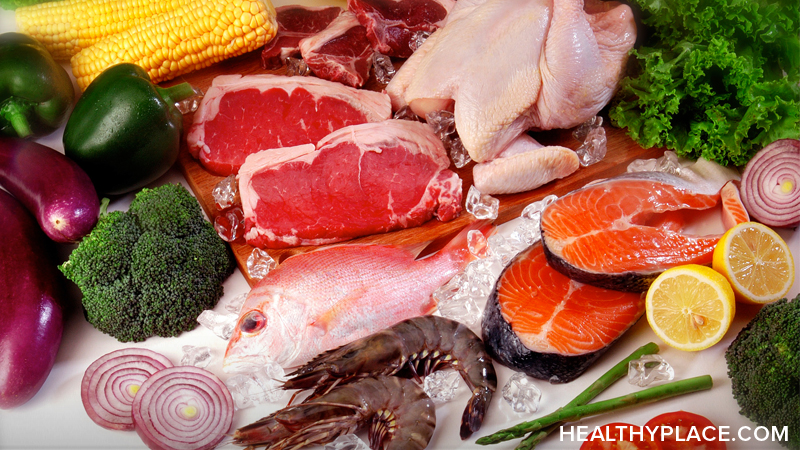
Brewer's yeast and wheat germ, liver, butter, fish (mackeral, tuna, halibut, flounder, herring, smelts) and shellfish (oysters, scallops and lobster), garlic, whole grains, sunflower seeds, and Brazil nuts are all good sources of selenium.
The amount of selenium contained in different foods depends upon the level of selenium in the soil. Selenium deficiencies are common in parts of China and the U.S. where selenium levels in the soil are low.
Selenium is destroyed when foods are refined or processed. Therefore, eating a variety of whole, unprocessed foods is the best way to obtain this nutrient. This means eating foods in their original state, not canned, frozen, or commercially prepared.
Available Forms of Selenium
Selenium may be taken as part of a vitamin-mineral supplement, a nutritional antioxidant formula, or as an individual supplement. Most supplements contain selenomethionine.
How to Take Selenium
For best results, selenium should be taken with vitamin E.
The minimum daily recommended dietary allowances for selenium are listed below.
Pediatric
Neonates to 6 months: 10 mcg Infants 6 months to 1 year: 15 mcg Children 1 to 6 years: 20 mcg Children 7 to 10 years: 30 mcg Males 11 to 14 years: 40 mcg Females 11 to 14 years: 45 mcg The usual therapeutic dosage for children is considered to be 30 to 150 mcg, or 1.5 mcg per pound (0.7 mcg per kilogram) of body weight.
Adult
Males 15 to 18 years: 50 mcg Males over 19 years: 70 mcg Females 15 to 18 years: 50 mcg Females over 19 years: 55 mcg Pregnant females: 65 mcg Lactating females: 75 mcg Usual therapeutic dosage for adults is considered to be 50 to 200 mcg/day; but as dosages as high as 400 mcg/day may be recommended by a healthcare provider.
Precautions
Because of the potential for side effects and interactions with medications, dietary supplements should be taken only under the supervision of a knowledgeable healthcare provider.
High doses of selenium (more than 1,000 mcg a day) over time may produce fatigue, arthritis, hair or fingernail loss, garlicky breath or body odor, gastrointestinal disorders, or irritability.
Possible Interactions
If you are currently being treated with any of the following medications, you should not use selenium supplements without first talking to your healthcare provider.
Cisplatin, Doxorubicin, and Bleomycin Selenium may reduce toxic side effects associated with cisplatin and doxorubicin, two forms of chemotherapy used to treat cancer. On the other hand, a test tube study suggested that selenium may inhibit the anti-cancer effects of bleomycin.
Cholesterol-lowering Medications Researchers recently discovered an unexpected adverse interaction between antioxidant supplements and a popular combination of cholesterol-lowering medications known as simvastatin and niacin -- this interaction may have important implications for patients with heart disease. Together, simvastatin and niacin have been shown to lower LDL ("bad") cholesterol and raise HDL ("good") cholesterol in people with heart disease. When taken with antioxidants (including selenium), however, these medications may not be as effective in raising HDL cholesterol.
back to: Supplement-Vitamins Homepage
Supporting Research
Ames BN. Micronutrient deficiencies: A major cause of DNA damage. Ann NY Acad Sci. 2000;889:87-106.
Barrington JW, Lindsay P, James D, Smith S, Roberts A. Selenium deficiency and miscarriage: A possibly link? Br J Ob Gyn. 1996;103(2):130-132
Batieha AM, Armenian HK, Norkus EP, Morris JS, Spate VE, Cornstock GW. Serum micronutrients and the subsequent risk of cervical cancer in a population-based nested case-control study. Cancer Epidemiol Biomarkers Prev. 1993;2(4):335-339.
Beck MA, Nelson HK, Shi Q, Van Dael P, Schiffrin EJ, Blum S, Barclay D, Levander OA. Selenium deficiency increases the pathology of an influenza virus infection. FASEB J. 2001;15(8):1481-1483.
Benton D, Cook R. The impact of selenium supplementation on mood. Biol Psychiatry. 1991;29(11):1092-1098.
Berger M, Spertini F, Shenkin A, et al. Trace element supplementation modulates pulmonary infection rates after major burns: a double-blind, placebo-controlled trial. AmJ Clin Nutr. 1998;68:365-371.
Boucher F, Coudray C, Tirard V, et al. Oral selenium supplementation in rats reduces cardiac toxicity of adriamycin during ischemia and reperfusion. Nutr. 1995;11(5 Suppl):708-711.
Brawley OW, Panes H. Prostate cancer prevention trials in the USA. Eur J Cancer. 2000;36(10):1312-1315.
Brown AC. Lupus erythematosus and nutrition: a review of the literature. [Review]. J Ren Nutr. 2000;10(4):170-183.
Cai J, Nelson KC, Wu M, Sternberg P Jr, Jones DP. Oxidative damage and protection of the RPE. Prog Retin Eye Res. 2000;19(2):205-221.
Cheung MC, Zhao XQ, Chait A, Albers JJ, Brown BG. Antioxidant supplements block the response of HDL to simvastatin-niacin therapy in patients with coronary heart disease and low HDL. Arterioscler Thromb Vasc Biol. 2001;21(8):1320-1326.
Clark LC, Combs GF Jr, Turnbull BW, et al. Effects of selenium supplementation for cancer prevention in patients with carcinoma of the skin. JAMA. 1996;276:1957 - 1963.
Combs GF Jr, Clark LC, Turnbull BW. Reduction of cancer risk with an oral supplement of selenium. Biomed Environ Sci. 1997;10(2-3):227-234.
De-Souza DA, Greene LJ. Pharmacological nutrition after burn injury. J Nutr. 1998;128:797-803.
Dimitrov NV, Hay MB, Siew S, et al. Abrogation of adriamycin-induced cardiotoxicity by selenium in rabbits. Am J Pathol. 1987;126:376-383.
Douillet C, Tabib A, Bost M, Accominotti M, Borson-Chazot F, Ciavatti M. Selenium in diabetes: effects of selenium on nephropathy in type 1 streptozotocin-induced diabetic rats. J Trace Elem Exp Med. 1999; 12:379-392.
Dworkin BM. Selenium deficiency in HIV infection and the acquired immunodeficiency syndrome (AIDS). Chem Biol Interact. 1994;91:181 - 186.
Finley JW, Davis CD, Feng Y. Selenium from high selenium broccoli protects rats from colon cancer. J Nutr. 2000;130:2384-2389.
Fleshner NE, Klotz LH. Diet, androgens, oxidative stress and prostate cancer susceptibility. Cancer Metastasis Rev. 1999;17:325-330.
Fleshner NE, Kucuk O. Antioxidant dietary supplements: Rationale and current status as chemopreventive agents for prostate cancer. Urol. 2001;57(4 Suppl 1):90-94.
Gabbe SG, ed. Obstretrics--Normal and Problem Pregnancies. 3rd ed. New York, NY: Churchill Livingston; 1996.
Garland M, Willet WC, Manson, JE, Hunter DJ. Antioxidant micronutrients and breast cancer. J Am Coll Nutr. 1993;12(4):400-411.
Garland M, Morris JS, Stampfer MJ, et al. Prospective study of toenail selenium levels and cancer among women. J Natl Cancer Inst. 1995;8:497 - 505.
Geerling BJ, Badart-Smook A, Stockbrügger RW, Brummer R-JM. Comprehensive nutritional status in recently diagnosed patients with inflammatory bowel disease compared with population controls. Eur J Clin Nutr. 2000;54:514-521.
Ghadirian P, Maisonneuve P, Perret C, Kennedy G, Boyle P, Krewski D et. al. A case-control study of toenail selenium and cancer of the breast, colon, and prostate. Cancer Detect Prev. 2000;24(4):305-313.
Girodon F. Impact of trace elements and vitamin supplementation on immunity and infections in institutionalized elderly patients. Arch Int Med. 1999;159:748-754.
Hasselmark L, Malmgren R, Zetterstrom O, Onge G. Selenium supplementation in intrinsic asthma. Allergy. 1993;48:30-36.
Helzisouer KJ, Huang HY, Alberg AJ, Hoffman S, Burke A, Norkus EP, et al. Association between alpha-tocopherol, gamma-tocopherol, selenium, and subsequent prostate cancer. J Nat Cancer Inst. 2000;92(24):2018-2023.
Howard JM, Davies S, Hunnisett A. Red cell magnesium and glutathione peroxidase in infertile women: effects of oral supplementation with magnesium and selenium. Magnes Res. 1994;7(1):49-57.
Hu YJ, Chen Y, Zhang YQ et al. The protective role of selenium on the toxicity of cisplatin-contained chemotherapy regimen in cancer patients. Biol Trace Elem Res. 1997;56:331-341.
Juhlin L, Edqvist LE, Ekman LG, Ljunghall K, Olsson M. Blood glutathione-peroxidase levels in skin diseases: effect of selenium and vitamin E treatment. Acta Derm Venereol. 1982;62(3):211-214.
Kadrabova J, Mad'aric A, Kovacikova Z, Podivinsky F, Ginter E, Gazdik F. Selenium status is decreased in patients with intrinsic asthma. Biol Trace Elem Res. 1996;52(3):241-248.
Kappus H, Reinhold C. Inhibition of bleomycin-induced toxic effects by antioxidants in human malignant melanoma cells. Adv Exp Med Biol. 1990;264:345-348.
Kendler BS. Recent nutritional approaches to the prevention and therapy of cardiovascular disease. Prog Cardiovasc Nurs. 1997;12(3):3-23.
Kirschmann GJ, Kirschmann JD. Nutrition Almanac. 4th ed. New York: McGraw-Hill;1996:132-134.
Kneckt P. Serum selenium, serum alpha-tocopherol, and the risk of rheumatoid arthritis. Epidemiology. 2000;11(4):402-405.
Lockwood K, Moesgaard S, Hanioka T, Folkers K. Apparent partial remission of breast cancer in 'high risk' patients supplemented with nutritional antioxidants, essential fatty acids, and coenzyme Q10. Mol Aspects Med. 1994;15(S):s231-s240.
Mannisto S, Alfthan G, Virtanen M, Kataja V, Uusitupa M, Pietinen P. Toenail selenium and breast cancer - a case-control study in Finland. Eur J Clin Nutr. 2000;54:98-103.
McCloy R. Chronic pancreatitis at Manchester, UK. Digestion. 1998;59(suppl 4):36-48.
Michaelsson G, Edqvist LE. Erythrocyte glutathione peroxidase activity in acne vulgaris and the effect of selenium and vitamin E treatment. Acta Derm Venereol. 1984;64(1):9-14.
Monteleone CA, Sherman AR. Nutrition and asthma. Arch Intern Med. 1997;157:23-34.
Navarro-Alarcon M, Lopez-Martinez MC. Essentiality of selenium in the human body: relationship with different diseases. Sci Total Environ. 2000;249:347-371.
Nelson MA, Porterfield BW, Jacobs ET, Clark LC. Selenium and prostate cancer prevention. Seminars in Urologic Oncology. 1999;17(2):91-96.
Olivieri O, Girelli D, Stanzial AM, Rossi L, Bassi A, Corrocher R. Selenium, zinc, and thyroid hormones in healthy subjects: low T3/T4 ratio in the elderly is related to impaired selenium status. Biol Trace Elem Res. 1996;51(1):31-41.
Patrick L. Nutrients and HIV: part one -- beta carotene and selenium. Alt Med Rev. 1999;4(6):403-413.
Psathakis D, Wedemeyer N, Oevermann E, Krug F, Siegers CP, Bruch HP. Blood selenium and glutathione peroxidase status in patients with colorectal cancer. Dis Colon Rectum. 1998;41:328-335.
Rannem T, Ladefoged K, Hylander E, Hegnhøj, J, Staun M. Selenium depletion in patients with gastrointestinal diseases: are there any predictive factors? Scand J Gastroenterol. 1998;33:1057-1061.
Rayman MP. The importance of selenium to human health. Lancet. 2000;356:233-241.
Russo MW, Murray SC, Wurzelmann JI, Woosley JT, Sandler RS. Plasma selenium levels and the risk of colorectal adenomas. Nutr Cancer. 1997;28(2):125-129.
Sahl WJ, Glore S, Garrison P, Oakleaf K, Johnson SD. Basal cell carcinoma and lifestyle characteristics. Int J Dermatol. 1995;34(6):398-402.
Schrauzer GN. Anticarcinogenic effects of selenium. Cell Mol Life Sci. 2000;57(13-14):1864-1873.
Schrauzer GN. Selenomethionine: a review of its nutritional significance, metabolism, and toxicity. J Nutr. 2000;130(7):1653-1656.
Scott R, MacPherson A, Yates RW, et al. The effect of oral selenium supplementation on human sperm motility. Br J Urol. 1998;82:76-80.
Shabert JK, Winslow C, Lacey JM, Wilmore DW. Glutamine antioxidant supplementation increases body cell mass in AIDS patients with weight loss: a randomized, double-blind controlled trial. Nutrition. 1999;11:860-864.
Simsek M, Naziroglu M, Simsek H, Cay M, Aksakal M, Kumru S. Blood plasma levels of lipoperoxides, glutathione peroxidase, beta carotene, vitamin A and E in women with habitual abortion. Cell Biochem Funct. 1998;16(4):227-231.
Sinclair S. Male infertility: nutritional and environmental considerations. Alt Med Rev. 2000;5(1):28-38.
Sturniolo GC, Mestriner C, Lecis PE, et al. Altered plasma and mucosal concentrations of trace elements and antioxidants in active ulcerative colitis. Scand J Gastroenterol. 1998;33(6):644-649
Sundstrom H, Korpela H, Sajanti E, et al. Supplementation with selenium, vitamin E and their combination in gynaecological cancer during cytotoxic chemotherapy. Carcinog. 1989;10:273-278.
van 't Veer P, Strain JJ, Fernandez-Crehuet J, Martin BC, Thamm M, Kardinaal AF, et al. Tissue antioxidants and postmenopausal breast cancer: the European Community Multicentre Sudy on Antioxidants, Myocardial Infarction, and Cancer of the Breast (EURAMIC). Cancer Epidemiol Biomarkers Prev. 1996 Jun;5(6):441-7.
Vermeulen NP, Baldew GS, Los G, et al. Reduction of cisplatin nephrotoxicity by sodium selenite. Lack of interaction at the pharmacokinetic level of both compounds. Drug Metab Dispos. 1993; 21:30-36.
Wasowicz W. Selenium concentration and glutathione peroxidase activity in blood of children with cancer. J Trace Elem Electrolytes Health Dis. 1994;8:53 - 57.
Witte KK, Clark AL, Cleland JG. Chronic heart failure and micronutrients. J Am Coll Cardiol. [Review]. 2001;37(7):1765-1774.
Yan L, Yee JA, Li D, McGuire MH, Graef GL. Dietary supplementation of selenomethionine reduces metastasis of melanoma cells in mice. Anticancer Res. 1999;19(2A):1337-1342.
Yang GQ, Xia YM. Studies on human dietary requirements and safe range of dietary intakes of selenium in China and their application in the prevention of related endemic diseases. Biomed Environ Sci. 1995;8:187 - 201.
Yoshizawa K, Willett WC, Morris SJ, et al. Studies of prediagnostic selenium level in toenails and the risk of advanced prostate cancer. J Natl Cancer Inst. 1998;90:1219 - 1224.
Yu MW, Horng IS, Hsu KH, Chiang YC, Liaw YF, Chen CJ. Plasma selenium levels and risk of hepatocellular carcinoma among men with chronic hepatitis viral infection. Am J Epidemiol. 1999;150(4):367-374.
The publisher does not accept any responsibility for the accuracy of the information or the consequences arising from the application, use, or misuse of any of the information contained herein, including any injury and/or damage to any person or property as a matter of product liability, negligence, or otherwise. No warranty, expressed or implied, is made in regard to the contents of this material. No claims or endorsements are made for any drugs or compounds currently marketed or in investigative use. This material is not intended as a guide to self-medication. The reader is advised to discuss the information provided here with a doctor, pharmacist, nurse, or other authorized healthcare practitioner and to check product information (including package inserts) regarding dosage, precautions, warnings, interactions, and contraindications before administering any drug, herb, or supplement discussed herein.
back to: Supplement-Vitamins Homepage
APA Reference
Staff, H.
(2008, October 7). Selenium, HealthyPlace. Retrieved
on 2024, April 25 from https://www.healthyplace.com/alternative-mental-health/supplements-vitamins/selenium