Melatonin
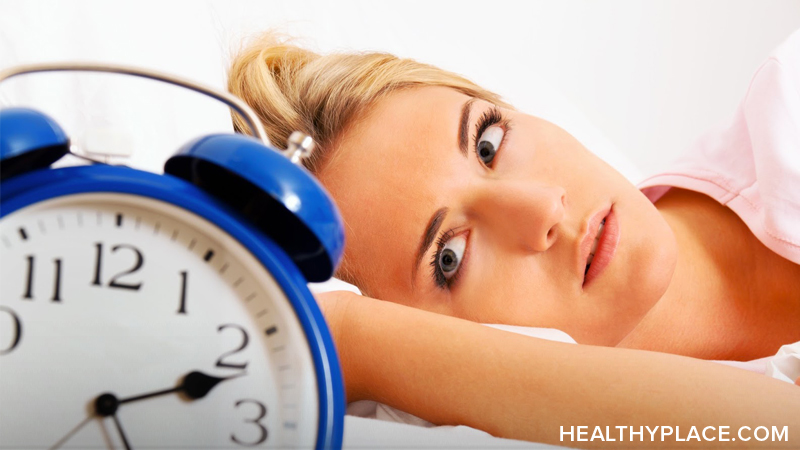
Comprehensive information on melatonin supplements for depression, seasonal effective disorder (SAD), insomnia and eating disorders. Learn about the usage, dosage, side-effects of melatonin.
Overview
Melatonin is secreted by the pineal gland in the brain and is important in the regulation of many hormones in the body. Among its key roles, melatonin controls the body's circadian rhythm, an internal 24-hour time-keeping system that plays an important role in when we fall asleep and when we wake up. Darkness stimulates the release of melatonin and light suppresses its activity. Normal melatonin cycles are disrupted when we are exposed to excessive light in the evening or too little light during the daytime. For example, jet lag, shift work, and poor vision can disrupt melatonin cycles. In addition, some experts claim that exposure to low-frequency electromagnetic fields (as is common in household appliances) may disrupt normal cycles and production of melatonin.
Melatonin is also one of the hormones that controls the timing and release of female reproductive hormones. As a result, melatonin helps determine when menstruation begins, the frequency and duration of menstrual cycles, and when menstruation ends (menopause). Many researchers also believe that levels of melatonin in the body are related to the aging process. For example, young children have the highest levels of nighttime melatonin and these levels are thought to diminish progressively with age. This decline likely contributes to why many older adults suffer from disrupted sleep patterns and tend to go to bed earlier and wake up earlier in the morning than when they were younger. However, emerging research is bringing the idea of diminished melatonin levels in the elderly into some question. Therefore, those considering use of this supplement should first talk to their healthcare provider about having blood levels of melatonin checked.
In addition to its hormone actions, melatonin also has strong antioxidant properties and preliminary evidence suggests that it may help strengthen the immune system. Because melatonin is a potent hormone, it's advisable to check with a healthcare provider before using it as an antioxidant supplement.
Uses
Melatonin for Insomnia
Although results are still controversial, studies suggest that melatonin supplements help induce sleep in people with disrupted circadian rhythms (such as those suffering from jet lag or poor vision or those who work the night shift) and those with low melatonin levels (such as some elderly and individuals with schizophrenia). In fact, a recent review of scientific studies found that melatonin supplements help prevent jet lag, particularly in people who cross five or more time zones.
A few studies suggest that when taken for short periods of time (days to weeks) melatonin is significantly more effective than placebo in decreasing the amount of time required to fall asleep, increasing the number of sleeping hours, and boosting daytime alertness. In addition, at least one study suggests that melatonin may improve the quality of life in people who suffer from insomnia and some experts suggest that melatonin may be of value for children with learning disabilities who suffer from insomnia.
Although research suggests that melatonin may be modestly effective for treating certain types of insomnia as described, few studies have investigated whether melatonin supplements are safe and effective over the long term.
Osteoporosis
Melatonin has been shown in laboratory studies to stimulate cells called osteoblasts that promote bone growth. Given that melatonin levels may also be lower in some older individuals such as postmenopausal women, current studies are investigating whether or not decreased melatonin levels contribute to the development of osteoporosis, and whether treatment with melatonin can help prevent this condition.
Menopause
Melatonin supplements may benefit menopausal women by promoting and sustaining sleep. Peri- or postmenopausal women who use melatonin supplements to regulate sleep patterns should do so only for a short period of time since long term effects, as indicated earlier, are not known.
Melatonin for depression (Melotonin for SAD)
In one small study of 10 people with a particular type of depression known as seasonal affective disorder (depressive symptoms that develop during the winter months when exposure to light is lessened), those who received melatonin supplements had significant improvement in their symptoms compared to those who received placebo. Given the small size of this study, however, more research is needed before conclusions can be drawn regarding use of melatonin for either seasonal affective disorder or any other type of depression. This is particularly true since one study from the 1970s suggested that symptoms of depression may worsen when taking melatonin.
Melatonin for Eating Disorders
Melatonin levels may play a role in the symptoms of anorexia. For example, abnormally low melatonin levels may cause depressed mood in people with this condition. However, it is not known whether supplementation will change the course of the disease. Some researchers speculate that low melatonin levels in people with anorexia may indicate who is likely to benefit from antidepressant medications (a treatment often used for eating disorders).
Breast Cancer
Several studies indicate that melatonin levels may be linked with breast cancer risk. For example, women with breast cancer tend to have lower levels of melatonin than those without the disease. In addition, laboratory experiments have found that low levels of melatonin stimulate the growth of certain types of breast cancer cells and adding melatonin to these cells inhibits their growth. Preliminary laboratory and clinical evidence also suggests that melatonin may enhance the effects of some chemotherapy drugs used to treat breast cancer. In a study that included a small number of women with breast cancer, melatonin (administered 7 days before beginning chemotherapy) prevented the lowering of platelets in the blood. This is a common complication of chemotherapy, known as thrombocytopenia, that can lead to bleeding.
In another study of a small group of women whose breast cancer was not improving with tamoxifen (a commonly used chemotherapy medication), the addition of melatonin caused tumors to modestly shrink in over 28% of the women. People with breast cancer who are considering taking melatonin supplements should first consult a healthcare provider who can help construct a comprehensive treatment approach to be administered together with conventional care.
Prostate Cancer
Similar to breast cancer, studies of people with prostate cancer suggest that melatonin levels are lower compared to men without cancer, and test tube studies have found that melatonin inhibits the growth of prostate cancer cells. In one small-scale study, melatonin (when used in conjunction with conventional medical treatment) improved survival rates in 9 out of 14 patients with metastatic prostate cancer. Interestingly, meditation appears to be a valuable addition to the treatment of prostate cancer. The positive effects of meditation may be due to a rise in levels of melatonin in the body. Although these early results are intriguing, more research is needed.
Cancer-related Weight Loss
Weight loss and malnutrition are of great concern for people with cancer. In one study of 100 people with advanced cancer that had spread throughout the body, those who received melatonin supplements were less likely to lose weight than those who did not receive the supplement.
Sarcoidosis
Some physicians use melatonin to help treat sarcoidosis (a condition where fibrous tissue develops in the lungs and other tissues). Two case reports suggest that melatonin may be helpful for those who do not improve from conventional steroid treatment.
Rheumatoid Arthritis
In a group of patients with rheumatoid arthritis, melatonin levels were low compared to healthy individuals without arthritis. When treated with the anti-inflammatory medication indomethacin, melatonin levels returned to normal. The chemical structure of melatonin resembles indomethacin, so researchers speculate that melatonin supplements may work similarly to this medication for people with rheumatoid arthritis. This theory has not been tested, however.
Melatonin for Attention Deficit/Hyperactivity Disorder (ADHD)
Although melatonin supplementation does not appear to improve the key behavioral symptoms of attention deficit/hyperactivity disorder (ADHD), it may be effective in managing sleep disturbances in children with this condition.
Melatonin for Epilepsy
Preliminary research suggests that melatonin reduces the number of seizures in certain animal species and may reduce seizures in people with epilepsy. However, not all experts agree with these findings. In fact, concern has been raised that melatonin (1 to 5 mg per day) may actually induce seizures, particularly in children with neurologic disorders. Given that the research is in a very premature stage, some experts suggest that melatonin should be administered by healthcare providers to only a select group of people who suffer from seizures that cannot be controlled by any other type of therapy.
Sunburn
A few small-scale studies suggest that gels, lotions, or ointments containing melatonin may protect against redness (erythema) and other skin damage when used either alone or in combination with topical vitamin E prior to exposure to UV radiation from the sun.
Viral Encephalitis
Although melatonin has not been scientifically evaluated for use in treating human encephalitis (inflammation of the brain), some studies suggest that this supplement may protect animals from serious complications associated with the condition and even increase their survival rates. In one study of mice infected with Venezuelan equine virus (a type of organism that causes viral encephalitis), melatonin supplements significantly lowered the presence of virus in the blood and reduced death rates by more than 80%. More studies are needed, however, to determine whether similar treatment may offer the same protection to people with viral encephalitis.
Heart Disease
Low levels of melatonin in the blood have been associated with heart disease, but it is not clear whether melatonin levels are low in response to having heart disease or if low levels of melatonin predispose people to developing this condition. In addition, several studies in rats suggest that melatonin may protect the hearts of these animals from the damaging effects of ischemia (decreased blood flow and oxygen that often leads to a heart attack). It is not known from this information, however, whether melatonin supplements may help prevent or treat heart disease in people. More research and scientific information is needed before conclusions can be drawn.
Available Forms
Melatonin is available as tablets, capsules, cream, and lozenges that dissolve under the tongue.
How to Take Melatonin
There is currently no recommended dose range for melatonin supplements. Different people will be more sensitive or less sensitive to its effects. For those especially sensitive, lower doses may work effectively while a higher dose could cause anxiety and irritability. The best approach for any condition is to begin with very low doses of melatonin that match the amounts our bodies normally make on a daily basis (< 0.3 mg) and keep the dose to a minimum. Your healthcare provider can help guide what is best and most appropriate, including how to increase the amount as needed.
Pediatric
- Less than 0.3 mg/day
Although studies including small numbers of children suggest that doses of 1-10 mg melatonin have little to no side effects, there is not enough information at this point to clearly say that doses greater than 0.3 mg per day are safe in children under age 15. In fact, doses between 1 to 5 mg may cause seizures in this age group. Until more information is available, it is safest to keep the dose close to the amount that our bodies normally produce (< 0.3 mg per day).
Adult
- Insomnia: 3 mg one hour before bedtime is usually effective, although doses as low as 0.1 to 0.3 mg may improve sleep for some people. If 3 mg per night is not effective after three days, try 5-6 mg one hour before bedtime. An effective dose should produce restful sleep with no daytime irritability or fatigue.
- Jet lag: 0.5 to 5 mg of melatonin one hour prior to bedtime at final destination has been successful in several studies. Another approach that has been used clinically is 1 to 5 mg one hour before bedtime for two days prior to departure and for 2 to 3 days upon arrival at final destination.
- Sarcoidosis: 20 mg per day for 4 to 12 months. Use of melatonin to treat this specific health condition should only be done under medical supervision. Do not take melatonin supplements long-term without consulting your healthcare provider.
- depression: 0.125 mg twice in the late afternoon, each dose four hours apart (for example, 4 PM and 8 PM). People with depression tend to be particularly sensitive to the effects of melatonin -- meaning that a very low dose is generally enough to get the desired outcomes.
Precautions
Because of the potential for side effects and interactions with medications, dietary supplements should be taken only under the supervision of a knowledgeable healthcare provider.
Some people may experience vivid dreams or nightmares when they take melatonin. Overuse or incorrect use of melatonin could disrupt circadian rhythms. Melatonin can cause drowsiness if taken during the day. Individuals experiencing morning drowsiness after taking melatonin at night should take less of the supplement. Additional side effects that have been reported from melatonin include stomach cramps, dizziness, headache, irritability, decreased libido, breast enlargement in men (called gynecomastia), and decreased sperm count.
Melatonin could interfere with fertility and also should not be taken by pregnant or nursing women.
A 1973 study including only 4 people with depression found that melatonin supplements actually worsened symptoms of the condition. For this reason, individuals with depression should consult a healthcare practitioner before using melatonin supplements.
Although many researchers believe that levels of melatonin diminish with age, emerging evidence has brought this theory into question. Given these inconsistent findings, people older than 65 years of age should consult a healthcare practitioner before taking melatonin supplements so that blood levels of this hormone can be monitored appropriately.
Possible Interactions
If you are currently being treated with any of the following medications, you should not use melatonin without first talking to your healthcare provider.
antidepressant medications
In an animal study, melatonin supplements reduced the antidepressant effects of desipramine and fluoxetine. More research is needed to determine whether these effects would occur in people. In addition, fluoxetine (a member of a class of drugs called selective serotonin reuptake inhibitors or SSRIs) has led to measurable depletion of melatonin in people.
Antipsychotic Medications
A common side effect of antipsychotic medications used to treat schizophrenia is a condition called tardive dyskinesia, a movement disorder of the mouth characterized by a constant chewing motion and darting action of the tongue. In a study of 22 people with schizophrenia and tardive dyskinesia caused by antipsychotic medications, those who took melatonin supplements had significantly reduced mouth movements compared to those who did not take the supplements.
Benzodiazepines
The combination of melatonin and triazolam (a benzodiazepine medication used for the treatment of anxiety and sleep disorders) improved sleep quality in one study. In addition, there have been a few reports suggesting that melatonin supplements may help individuals stop using long-term benzodiazepine therapy. (Benzodiazepines are highly addictive.)
Blood Pressure Medications
Melatonin may reduce the effectiveness of blood pressure medications like methoxamine and clonidine. In addition, medications in a class called calcium channel blockers (such as nifedipine, verapamil, diltiazem, amlodipine, nimodipine, felodipine, nisoldipine, and bepridil) may decrease melatonin levels.
Use of beta-blockers (another class of high blood pressure medications including propranolol, acebutolol, atenolol, labetolol, metoprolol, pindolol, nadolol, sotalol, and timolol) may reduce melatonin production in the body.
Blood-thinning Medications, Anticoagulants
Melatonin may increase the risk of bleeding from anticoagulant medications such as warfarin.
Interleukin-2
In one study of 80 cancer patients, use of melatonin in conjunction with interleukin-2 led to more tumor regression and better survival rates than treatment with interleukin-2 alone.
Nonsteroidal Anti-inflammatory Drugs (NSAIDs)
NSAIDs such as ibuprofen may reduce the levels of melatonin in the blood.
Steroids and Immunosuppressant Medications
Melatonin should not be taken with corticosteroids or other medications used to suppress the immune system because the supplement may cause them to be ineffective.
Tamoxifen
Preliminary research suggests that the combination of tamoxifen (a chemotherapy drug) and melatonin may benefit certain patients with breast and other cancers. More research is needed to confirm these results.
Other Substances
Caffeine, tobacco, and alcohol can all diminish levels of melatonin in the body while cocaine and amphetamines may increase melatonin production.
back to: Supplement-Vitamins Homepage
Supporting Research
Attele AS, Xie JT, Yuan CS. Treatment of insomnia: an alternative approach.Altern Med Rev. 2000;5(3):249-259.
Avery D, Lenz M, Landis C. Guidelines for prescribing melatonin. Ann Med. 1998;30(1):122-130.
Baumgaertel A. Alternative and controversial treatments for attention-deficit/hyperactivity disorder. Pediatr Clin N Am. 1999;46(5):977-992.
Bazil CW, Short D, Crispin D, Zheng W. Patients with intractable epilepsy have low melatonin, which increases following seizures. Neurology. 2000;55(11):1746-1748.
Bekaroglu M, Aslan Y, Gedik Y. Relationships between serum free fatty acids and zinc, and attention deficit hyperactivity disorder: a research note. J Child Psychol Psychiatry. 1996;37(2):225-227.
Ben-Nathan D, Maestroni GJ, Lustig S, Conti A. Protective effects of melatonin in mice infected with encephalitis viruses. Arch Virol. 1995;140(2):223-230.
Bonilla E, Valero-Fuenmayor N, Pons H, Chacin-Bonilla L. Melatonin protects mice infected with Venezuelan equine encephalomyelitis virus. Cell Mol Life Sci. 1997;53(5):430-434.
Brzezinski A. "Melatonin replacement therapy" for postmenopausal women: is it justified? Menopause. 1998;5:60-64.
Bylesjo I, Forsgren L, Wetterberg L. Melatonin and epileptic seizures in patients with acute intermittent porphyria. Epileptic Disord. 2000;2(4):203-208.
Cagnoni ML, Lombardi A, Cerinic MC, Dedola GL, Pignone A. Melatonin for treatment of chronic refractory sarcoidosis [letter]. Lancet. 1995;346(4):1299-1230.
Carman JS, Post RM, Buswell R, Goodwin FK. Negative effects of melatonin on depression. Am J Psychiatry. 1976;133:1181-1186.
Cauffield JS, Forbes HJ. Dietary supplements used in the treatment of depression, anxiety, and sleep disorders. Lippincotts Prim Care Pract. 1999; 3(3):290-304.
Chase JE, Gidal BE. Melatonin: Therapeutic use in sleep disorders. Ann Pharmacother. 1997;31:1218-1225.
Coker KH. Meditation and prostate cancer: integrating a mind/body intervention with traditional therapies. Sem Urol Onc. 1999;17(2):111-118.
Cornelissen G, Halberg F, Burioka N, Perfetto F, Tarquini R, Bakken EE. Do plasma melatonin concentrations decline with age? Am J Med. 2000;109(4):343-345.
Cos S, Sanchez-Barcelo EJ. Melatonin and mamary pathological growth. Frontiers Neuroendo. 2000;21:133-170.
Cos S, Sanchez-Barcelo EJ. Melatonin, experimental basis for a possible application in breast cancer prevention and treatment. Histo Histopath. 2000;15:637-647.
Dagan Y, Zisapel N, Nof D, et al. Rapid reversal of tolerance to benzodiazepine hypnotics by treatment with oral melatonin: a case report. Eur Neuropsychopharmacol. 1997;7(2):157-160.
Dreher F, Denig N, Gabard B, Schwindt DA, Maibach HI. Effect of topical antioxidants on UV-induced erythema formation when administered after exposure. Dermatology. 1999;198(1):52-55.
Dreher F, Gabard B, Schwindt DA, Maibach HI. Topical melatonin in combination with vitamins E and C protects skin from ultraviolet-induced erythema: a human study in vivo. Br J Dermatol. 1998;139(2):332-339.
Eck-Enriquez K, Kiefer TL, Spriggs LL, Hill SM. Pathways through which a regimen of melatonin and retinoic acid induces apoptosis in MCF-7 human breast cancer cells. Breast Cancer Res Treat. 2000;61(3):229-239.
Fauteck J, Schmidt H, Lerchl A, Kurlemann G, Wittkowski W. Melatonin in epilepsy: first results of replacement therapy and first clinical results. Biol Signals Recept. 1999;8(1-2):105-110.
Ferini-Strambi L, Zucconi M, Biella G, et al. Effect of melatonin on sleep microstructure: preliminary results in healthy subjects. Sleep. 1993;16(8):744-747.
Forsling ML, Wheeler MJ, Williams AJ. The effect of melatonin administration on pituitary hormone secretion in man. Clin Endocrinol (Oxf). 1999;51(5):637-642.
Fraschini F, Demartini G, Esposti D, Scaglione F. Melatonin involvement in immunity and cancer. Biol Signals Recept. 1998;7(1):61-72.
Garfinkel D, Laundon M, Nof D, Zisapel N. Improvement in sleep quality in elderly people by controlled-release melatonin (see comments). Lancet. 1995;346(8974):541-544.
Garfinkel D, Zisapel N, Wainstein J, Laudon M. Facilitation of benzodiazepine discontinuation by melatonin: a new clinical approach. Arch Intern Med. 1999;159(8):2456-2460.
Gibb JW, Bush L, Hanson GR. Exacerbation of methamphetamine-induced neurochemical deficits by melatonin. J Pharmacol and Exp Ther. 1997;283:630-635.
Gordon N. The therapeutics of melatonin: a paediatric perspective. Brain Dev. 2000;22(4):213-217.
Haimov I, Laudon I, Zisapel N, Souroujon M, Nof D, Shiltner A, et al. Sleep disorders and melatonin rhythms in elderly people. BMJ. 1994(9120);309:167.
Herxheimer A, Petrie KJ. Melatonin for preventing and treating jet lag. Cocharane Database Syst Rev. 2001;(1):CD001520.
Jacobson JS, Workman SB, Kronenberg F. Research on complementary/alternative medicine for patients with breast cancer: a review of the biomedical literature. J Clin Onc. 2000;18(3):668-683.
Jan JE, Espezel H, Appleton RE. The treatment of sleep disorders with melatonin. Dev Med Child Neurol. 1994;36(2):97-107.
Jan JE, Espezel H, Freeman RD, Fast DK. Melatonin treatment of chronic sleep disorders. J Child Neurol. 1998; 13(2):98.
Kaneko S, Okumura K, Numaguchi Y, Matsui H, Murase K, Mokuno S, et al. Melatonin scavenges hydroxyl radical and protects isolated rat hearts from ischemic reperfusion injury. Life Sciences. 2000;67(2):101-112.
Kennedy SH. Melatonin disturbances in anorexia nervosa and bulimia nervosa. Int J Eating Disord. 1994;16:257-265.
Kirkwood CK. Management of insomnia. J Am Pharm Assoc. 1999;39(1):688-696.
Lagneux C, Joyeux M, Demenge P, Ribuot C, Godin-Ribuot D. Protective effects of melatonin against ischemia-reperfusion injury in the isolated rat heart. Life Sciences. 2000;66(6):503-509.
Lewy AJ, Bauer VK, Cutler NL, Sack RL. Melatonin treatment of winter depression: a pilot study. Psych Res. 1998;77(1):57-61.
Lissoni P, Barni S, Meregalli S, Fossati V, Cazzaniga M, Esposti D, Tancini G. Modulation of cancer endocrine therapy to melatonin: a phase II study of tamoxifen plus melatonin in metastatic breast cancer patients progressing under tamoxifen alone. Br J Cancer. 1995;71(4):854-856.
Lissoni P, Barni S, Tancini G, Ardizzoia A, Ricci G, Aldeghi R, et al. A randomised study with subcutaneous low-dose interleukin 2 alone vs interleukin 2 plus the pineal neurohormone melatonin in advanced solid neoplasms other than renal cancer and melanoma. Br J Cancer. 1994;69(1):196-199.
Lissoni P, Cazzaniga M, Tancini G, Scardino E, Musci R, Barni S, Maffezzini M, Meroni T, Rocco F, Conti A, Maestroni G. Reversal of clinical resistance to LHRH analogue in metastatic prostate cancer by the pineal hormone melatonin: efficacy of LHRH analogue plus melatonin in patients progressing on LHRH analogue alone. Eur Urol. 1997;31(2):178-181.
Lissoni P, Paolorossi F, Tancini G, et al. A phase II study of tamoxifen plus melatonin in metastic solid tumour patients. Br J Cancer. 1996;74(9):1466-1468.
Lissoni P, Paolorossi F, Tancini G, Barni S, Ardizzoia A, Brivio F, Zubelewicz B, Chatikhine V. Is there a rold for melatonin in the treatment of neoplastic cachexia? Eur J Cancer. 1996;32A(8):1340-1343.
Lissoni P, Tancini G, Barni S, Paolorossi F, Ardizzoia A, Conti A, Maestroni G. Treatment of cancer chemotherapy-induced toxicity with the pineal hormone melatonin. Support Care Cancer. 1997;5(2):126-129.
Lissoni P, Tancini G, Paolorossi F, Mandala M, Ardizzoia A, Malugani F, et al. Chemoneuroendocrine therapy of metastatic breast cancer with persistent thrombocytopenia with weekly low-dose epirubicin plus melatonin: a phase II study. J Pineal Res. 1999;26(3):169-173.
Lissoni, P, Vigore L, Rescaldani R, et al. Neuroimmunotherapy with low-dose subcutaneous interleukin-2 plus melatonin in AIDS patients with CD4 cell number below 200/mm3: a biological phase-II study. J Biol Regul Homeost Agents. 1995;9:155 - 158.
Low Dog T, Riley D, Carter T. Traditional and alternative therapies for breast cancer. Alt Ther. 2001;7(3):36-47.
Lusardi P, Piazza E, Fogari R. Cardiovascular effects of melatonin in hypertensive patients well controlled by nifedipine: a 24-hour study. Br J Clin Pharmacol. 2000;49(5):423-7.
MacIntosh A. Melatonin: clinical monograph. Q Rev Nat Med. 1996; 47 - Å“60.
Manev H, Uz T. Oral melatonin in neurologicaly disabled children [letter]. Lancet. 1998;351:1963.
Massion AO, Teas J, Hebert JR, Wertheimer MD, Kabat-Zinn J. Meditation, melatonin and breast/prostate cancer: hypothesis and preliminary data. Med Hypo. 1995;44:39-46.
Moretti RM, Marelli MM, Maggi R, Dondi D, Motta M, Limonta P. Antiproliferative action of melatonin on human prostate cancer LNCaP cells. Oncol Rep. 2000;7(2):347-351.
Munoz-Hoyos A, Sanchez-Forte M, Molina-Carballo A, Escames G, Martin-Medina E, Reiter RJ, et al. Melatonin's role as an anticonvulsant and neuronal protector: experimental and clinical evidence. J Child Neurol. 1998;13(10):501-509.
Murphy P, Myers B, Badia P. NSAIDs suppress human melatonin levels. Am J Nat Med. 1997; iv: 25.
Nagtagaal JE, Laurant MW, Kerkhof GA, Smits MG, van der Meer YG, Coenen AM. Effects of melatonin on the quality of life in patients with delayed sleep phase syndrome. J Psychosom Res. 2000;48(1):45-50.
Neri B, de Leonardis V, Gemelli MT, di Loro F, Mottola A, Ponchietti R, Raugei A, Cini G. Melatonin as biological response modifier in cancer patients. Anticancer Res. 1998;18(2B):1329-1332.
Oosthuizen JM, Bornman MS, Barnard HC, Schulenburg GW, Boomker D, Reif S. Melatonin and steroid-dependent carcinomas. Andrologia. 1989;21(5):429-431.
Partonen T. Short note: melatonin-dependent infertility. Med Hypotheses. 1999;52(5):487-488.
Peled N, Shorer Z, Peled E. Pillar G. Melatonin effect on seizures in children with severe neurologic deficit disorders. Epilepsia. 2001;42(9):1208-1210.
Petrie K, Conaglen JV, Thompson L, Chamberlain K. Effect of melatonin on jet lag after long haul flights. BMJ. 1989;298:705 - 707.
Pillar G, Shahar E, Peled N, Ravid S, Lavie P, Etzioni A. Melatonin improves sleep-wake patterns in psychomotor retarded children. Pediatr Neurol. 2000;23(3):225-228.
Ram PT, Yuan L, Dai J, Kiefer T, Klotz DM, Spriggs LL, et al. Differential responsiveness of MCF-7 human breast cancer cell line stocks to the pineal hormone, melatonin. J Pineal Res. 2000;28(4):210-218.
Rommel T, Demisch L. Influence of chronic beta-adrenoreceptor blocker treatment on melatonin secretion and sleep quality in patients with essential hypertension. J Neural Transm Gen Sect. 1994;95:39-48.
Roth JA, Kim B-G, Lin W-L, Cho M-I. Melatonin promotes osteoblast differentiation and bone formation. J Biol Chem. 1999;274:22041-22047.
Sack RL, Brandes RW, Kendall AR, Lewy AJ. Entrainment of free-running circadian rhythms by melatonin in blind people. N Engl J Med. 2000;343(15):1070-1077.
Sack RL, Hughes RJ, Edgar DM, Lewy AJ. Sleep-promoting effects of melatonin: at what dose, in whom, under what conditions, and by what mechanisms? Sleep. 1997;20(10):908-915.
Sakotnik A, Liebmann PM, Stoschitzky K, Lercher P, Schauenstein K, Klein W, et al. Decreased melatonin synthesis in patients with coronary artery disease. Eur Heart J. 199;20(18):1314-1317.
Shamir E, Barak Y, Shalman I, Laudon M, Zisapel N, Tarrasch R, et al. Melatonin treatment for tardive dyskinesia: a double-blind, placebo-controlled, crossover study. Arch Gen Psych. 2001;58(11):1049-1052.
Shamir E, Laudon M, Barak Y, Anis Y, Rotenberg V, Elizur A, Zisapel N. Melatonin improves sleep quality of patients with chronic schizophrenia. J Clin Psychiatry. 2000;61(5):373-377.
Shannon M. Alternative medicines toxicology: a review of selected agents. Clin Tox. 1999;37(6):709-713.
Sheldon SH. Oral melatonin in neurologicaly disabled children [letter]. Lancet. 1998;351(9120):1964.
Sheldon SH. Pro-convulsant effects of oral melatonin in neurologically disabled children[letter]. Lancet. 1998;351(9111):1254.
Skene DJ, Lockley SW, Arendt J. Use of melatonin in the treatment of phase shift and sleep disorders. Adv Exp Med Biol. 1999;467:79-84.
Smits MG, Nagtegaal EE, van der Heijden J, Coenen AM, Kerkhof GA. Melatonin for chronic sleep onset insomnia in children: a randomized placebo-controlled trial. J Child Neurol. 2001;16(2):86-92.
Spitzer RL, Terman M, Williams JB, Terman JS, Malt UF, Singer F, et al. Jet lag: clinical features, validation of a new syndrome-specific scale, and lack of response to melatonin in a randomized, double-blind trial. Am J Psych. 1999;156(9):1392-1396.
Stewart LS. Endogenous melatonin and epileptogenesis: facts and hypothesis. Int J Neurosci. 2001;107(1-2):77-85.
Stoschitzky K, Sakotnik A, Lercher P, Zweiker R, Maier R, Liebmann P, Lindner W. Influence of beta-blockers on melatonin release. Eur J Clin Pharmacol. 1999;55(2):111-115.
Tzischinsky O, Lavie P. Melatonin possesses time-dependent hypnotic effects. Sleep. 1994;17:638 - 645.
van Wijingaarden E, Savitz DA, Kleckner RC, Cai J, Loomis D. Exposure to electromagnetic fields and suicide among electric utility workers: a nested case-control study. West J Med. 2000;173;94-100.
Wagner DR. Circadian rhythm sleep disorders. Curr Treat Opt Neurol. 1999;1(4):299-308.
Wagner J, Wagner ML, Hening WA. Beyond benzodiazepines: alternative pharmacologic agents for the treatment of insomnia. Ann Pharmacother. 1998; 32:680-691.
Walsh HA, Daya S. Influence of the antidepressants desipramine and fluoxetine on tryptophan-2,3-dioxygenase in the presence of exogenous melatonin. Life Sci. 1998;62(26):2417-2423.
Weekley LB. Melatonin-induced relaxation of rat aorta: Interaction with adrenergic agonists. J Pineal Res. 1991;11:28-34.
West Sk, Oosthuizen JM. Melatonin levels are decreased in rheumatoid arthritis. J Basic Clin Physiol Pharmacol. 1992;3(1):33-40.
Wurtman RJ, Zhdanova II. Oral melatonin in neurologicaly disabled children [letter]. Lancet. 1998;351(9120):1963-1964.
Zawilska JB, Nowak JZ. Melatonin: from biochemistry to therapeutic applications. Pol J Pharm. 1999;51:3-23.
Zeitzer JM, Daniels JE, Duffy JF, Klerman EB, Shanahan TL, Dijk DJ et al. Do plasma melatonin concentrations decline with age? Am J Med. 1999;107(5):432-436.
Zhdanova IV, Wurtman RJ, Morabito C, Piotrovska VR, Lynch HJ. Effects of low oral doses of melatonin, given 2-4 hours before habitual bedtime, on sleep in normal young humans. Sleep. 1996;19:423 - 431.
Zhdanova IV, Wurtman RJ, Lynch HJ, et al. Sleep-inducing effects of low doses of melatonin ingested in the evening. Clin Pharmacol Ther. 1995; 57:552 - Å“558.
back to: Supplement-Vitamins Homepage
APA Reference
Staff, H.
(2008, December 21). Melatonin, HealthyPlace. Retrieved
on 2024, April 25 from https://www.healthyplace.com/alternative-mental-health/supplements-vitamins/melatonin